How to Say "destructive" in Spanish
The most common Spanish word for “destructive” is “destructivo” — use 'destructivo' for general damage that is significant and hard to repair, applicable to a wide range of situations.

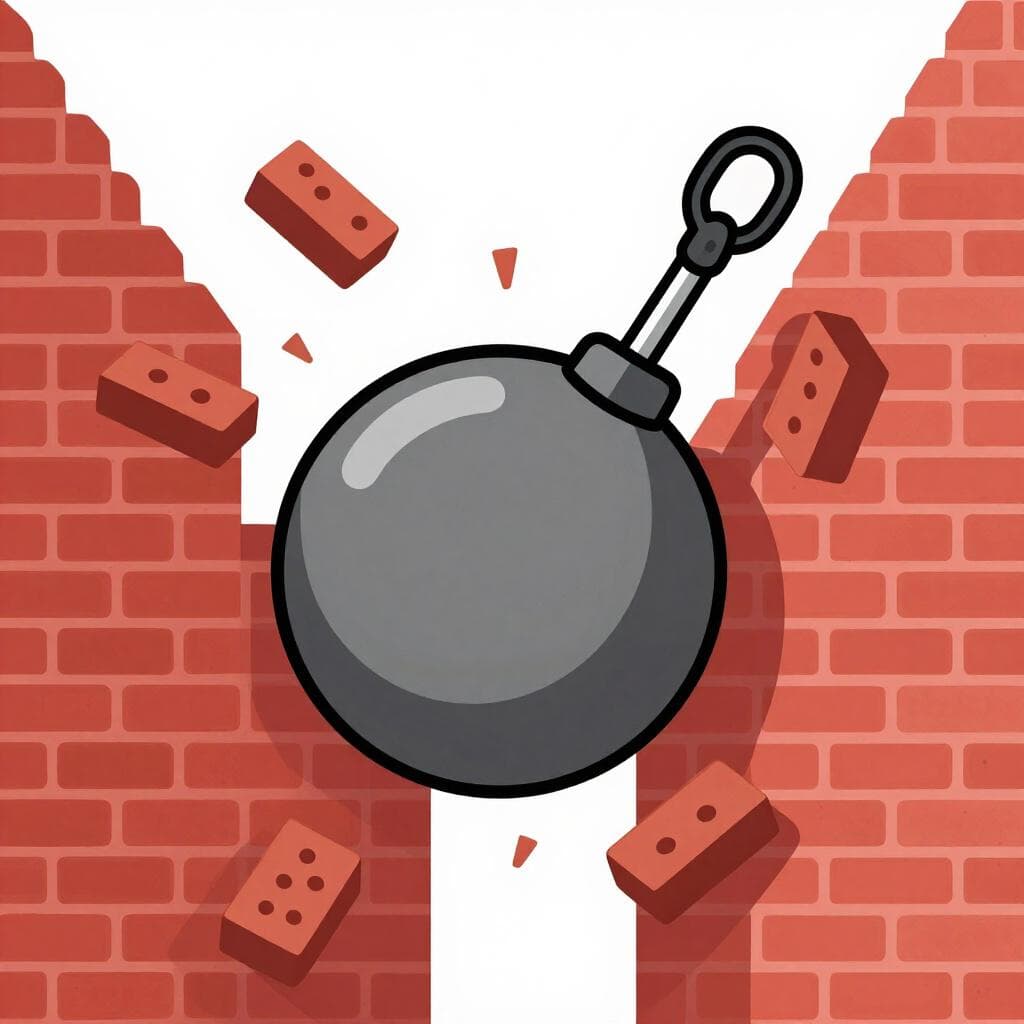
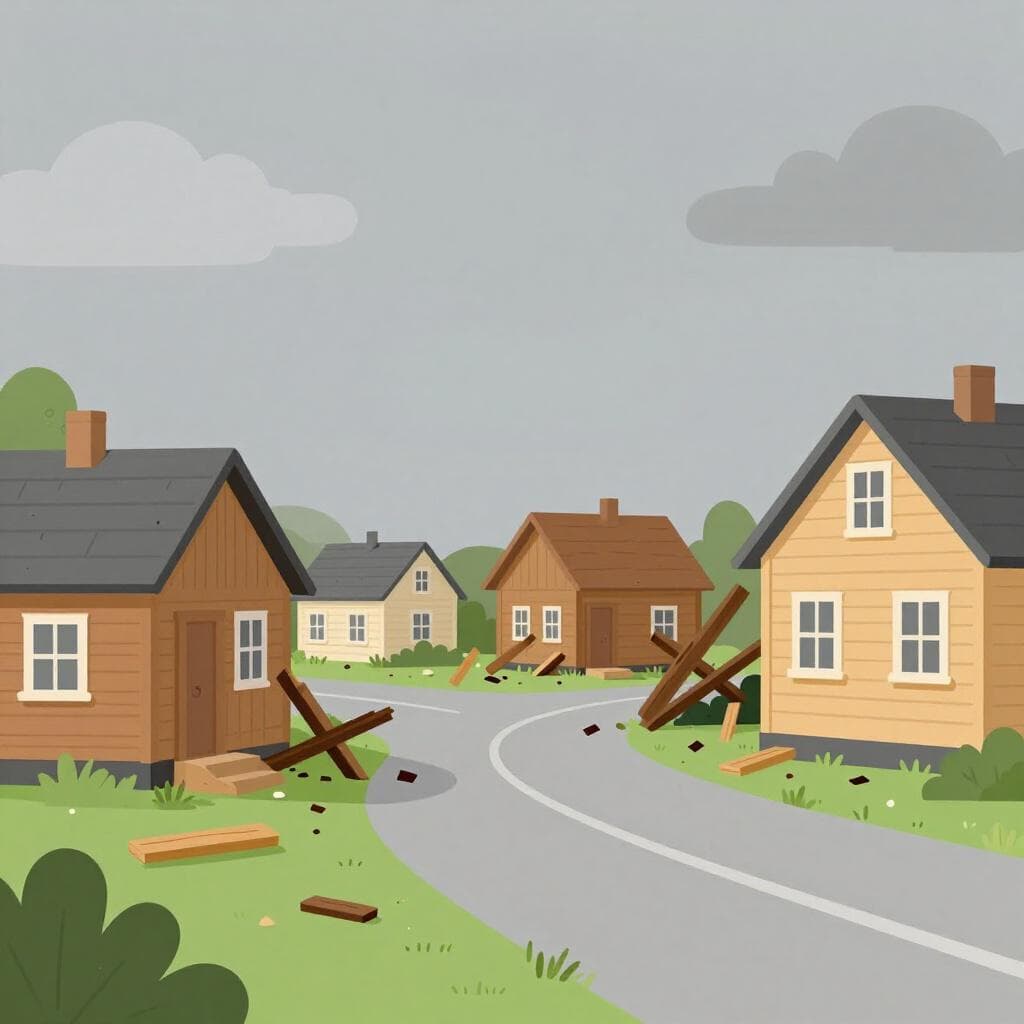
destructivo
des-trook-TEE-bohdes.tɾukˈti.βo

Examples
El fuego fue muy destructivo y quemó todo el bosque.
The fire was very destructive and burned the whole forest.
Debes evitar los comentarios destructivos en el trabajo.
You should avoid destructive comments at work.
Tiene un comportamiento autodestructivo que me preocupa.
He has self-destructive behavior that worries me.
Matching Gender and Number
This word changes its ending to match the thing it describes. Use 'destructivo' for masculine items (un fuego destructivo) and 'destructiva' for feminine items (una crítica destructiva).
Word Placement
In Spanish, describing words usually go after the thing they describe. For example, say 'comportamiento destructivo' (behavior destructive) rather than 'destructivo comportamiento'.
Destructivo vs. Destruido
Mistake: “La casa está destructiva.”
Correction: La casa está destruida.
destructor
des-trook-tordes.tɾukˈtoɾ
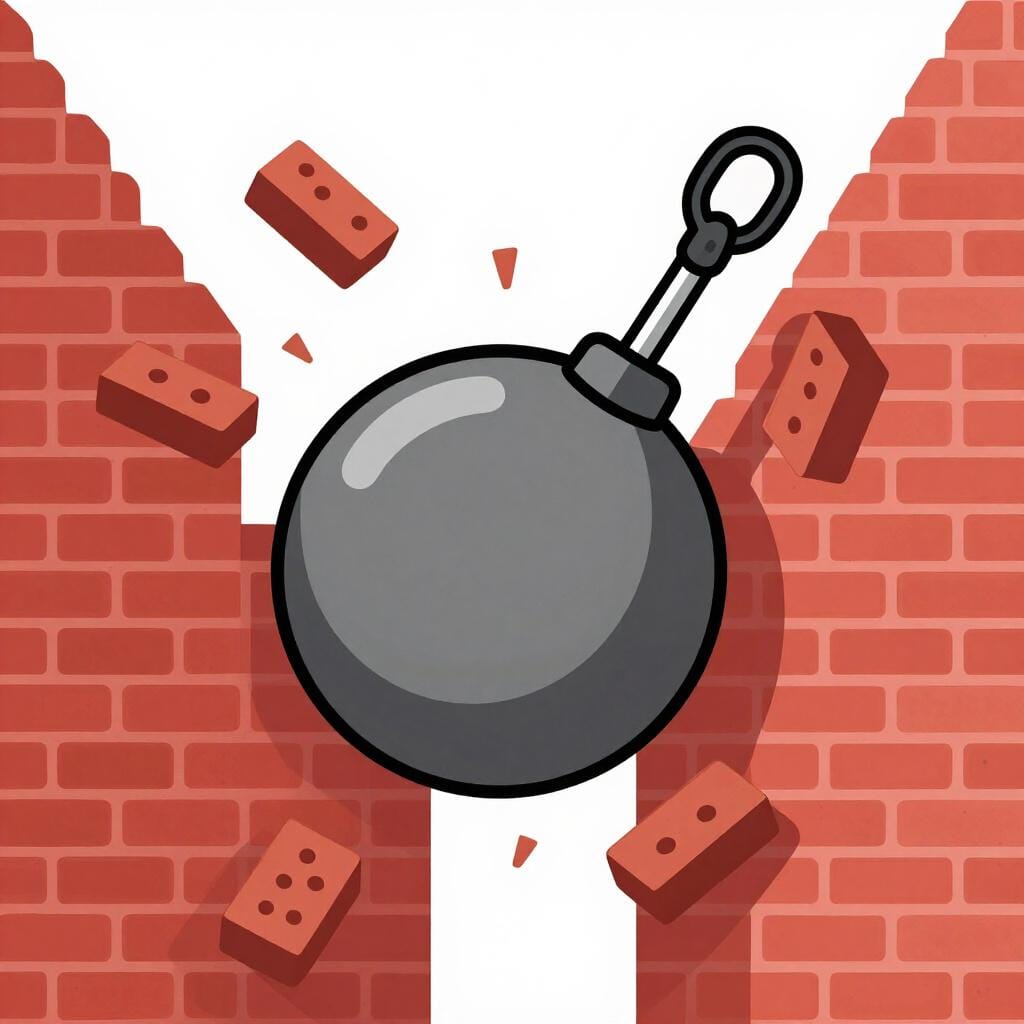
Examples
El incendio tuvo un efecto destructor en el bosque local.
The fire had a destructive effect on the local forest.
Las fuerzas destructoras de la naturaleza son impresionantes.
The destructive forces of nature are impressive.
Ese mensaje fue destructor para nuestra amistad.
That message was destructive to our friendship.
Making it Feminine
Even though it ends in -or, you must add an 'a' when describing something feminine: 'una fuerza destructora'.
Active vs. General Quality
While 'destructivo' describes a general personality or quality, 'destructor' often emphasizes the thing that is actively doing the destroying.
Matching Gender
Mistake: “La tormenta fue destructor.”
Correction: La tormenta fue destructora. Remember that words ending in -or need an -a for feminine nouns.
devastador
deh-bahs-tah-DORdeβastaˈðoɾ
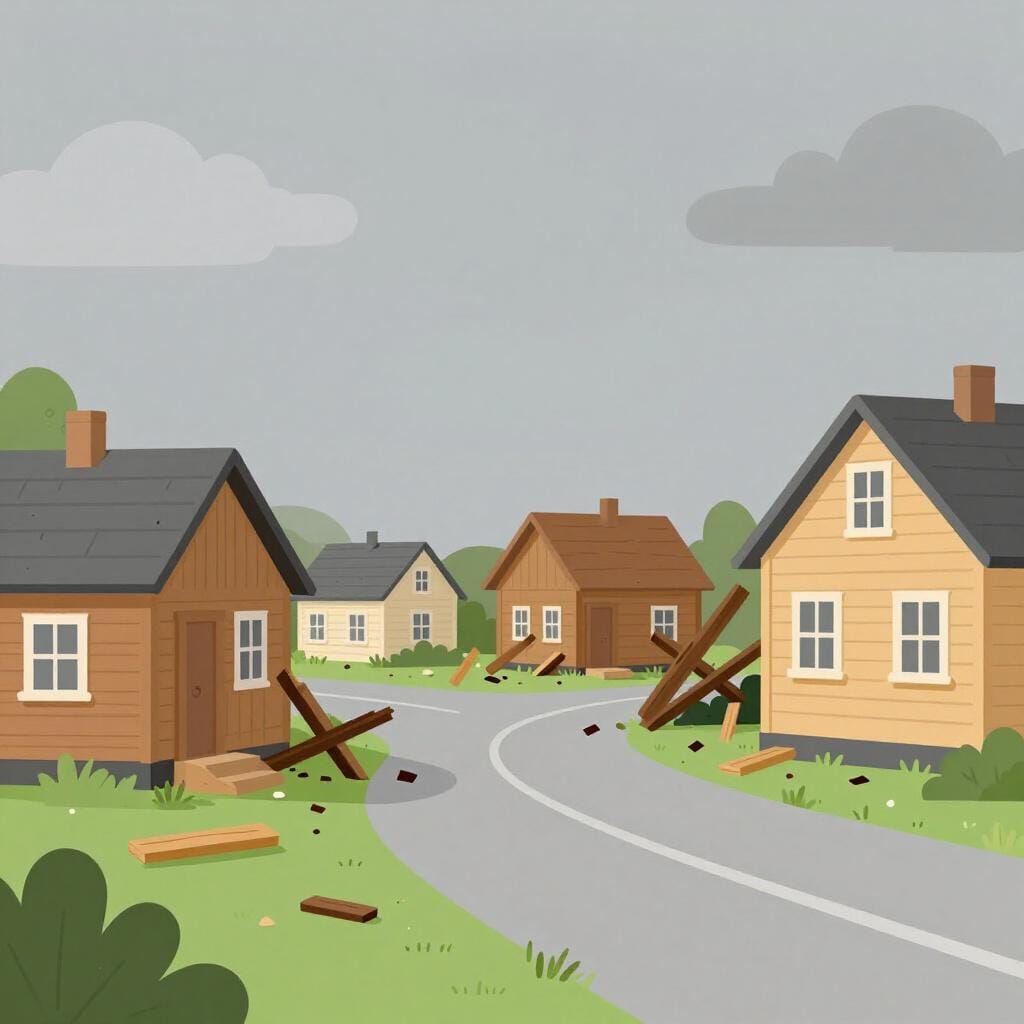
Examples
El huracán tuvo un efecto devastador en la costa.
The hurricane had a devastating effect on the coast.
Las armas modernas tienen un poder devastador.
Modern weapons have a devastating power.
Fue el incendio más devastador de la década.
It was the most devastating fire of the decade.
Making it Feminine
When describing a feminine noun, you must add an 'a' at the end to make it 'devastadora'.
Where to Put the Word
This word usually comes after the person or thing it is describing (e.g., 'un efecto devastador').
Confusion with 'Devastado'
Mistake: “Estoy muy devastador.”
Correction: Estoy muy devastado. Use 'devastador' for things that CAUSE destruction, and 'devastado' for how YOU feel (destroyed/heartbroken).
General vs. Specific Damage
Related Translations
Learn Spanish with Inklingo
Interactive stories, personalized learning, and more.