How to Say "overwhelming" in Spanish
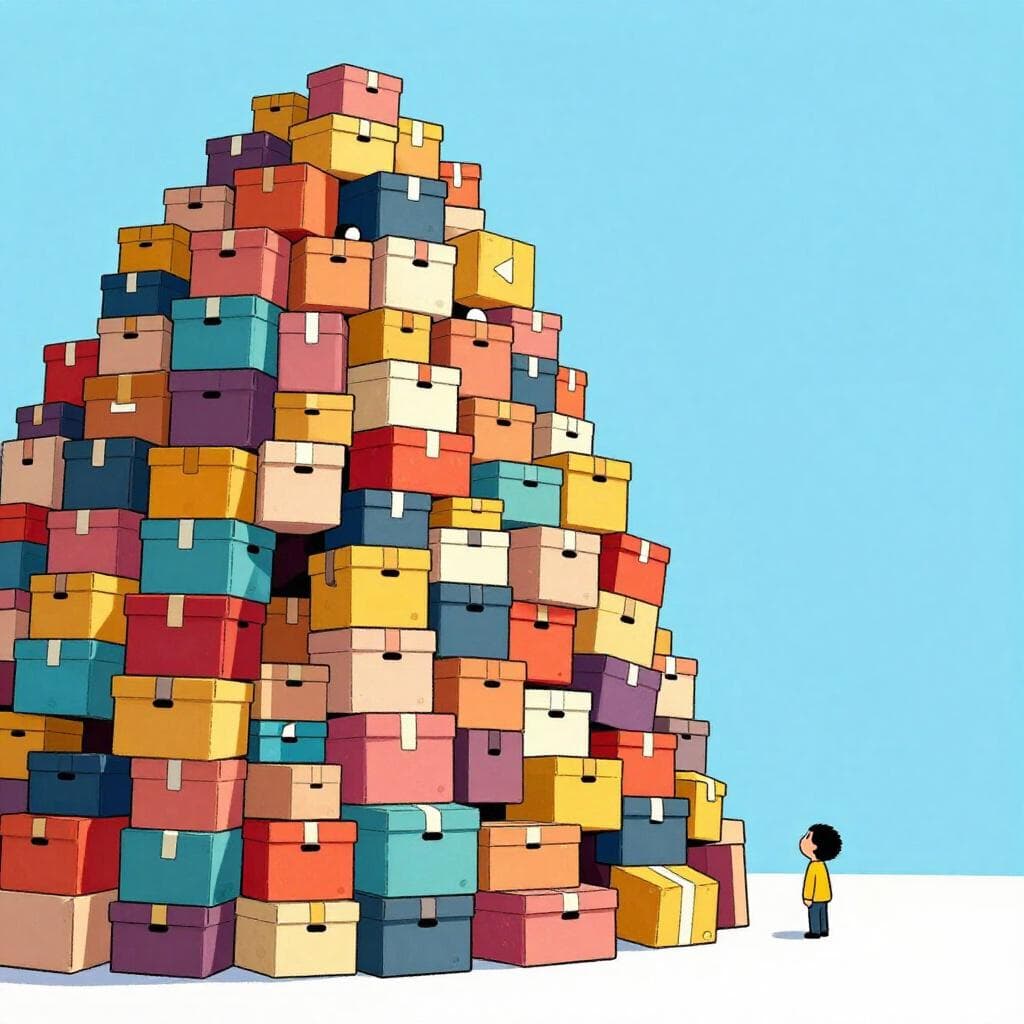
The most common Spanish word for “overwhelming” is “abrumador” — use this when something is too much to handle, causing you to feel stressed or mentally/emotionally overloaded, especially with tasks or responsibilities.


abrumador
ah-broo-mah-DORa.βɾu.ma.ˈðoɾ

Examples
Tengo una cantidad abrumadora de trabajo esta semana.
I have an overwhelming amount of work this week.
El calor en la ciudad era abrumador.
The heat in the city was stifling.
Ganaron las elecciones con una mayoría abrumadora.
They won the elections with an overwhelming majority.
Adding an 'a' for feminine
Even though many adjectives ending in a consonant don't change, this one does! Use 'abrumador' for masculine things and 'abrumadora' for feminine things.
Placement after the noun
This word almost always comes after the thing it is describing (e.g., 'un peso abrumador').
Don't say 'abrumante'
Mistake: “El trabajo es abrumante.”
Correction: El trabajo es abrumador.
contundente
con-toon-DEN-tehkontunˈdente
Examples
El equipo ganó con una victoria contundente de 5 a 0.
The team won with a decisive 5-0 victory.
Sus pruebas fueron tan contundentes que el caso se cerró rápidamente.
Her evidence was so convincing that the case was closed quickly.
Necesitamos dar una respuesta contundente a sus quejas.
We need to give a forceful response to their complaints.
One form for everyone
This adjective ends in 'e,' which means it doesn't change for boys or girls. Use 'el hombre contundente' and 'la mujer contundente'.
Placement for emphasis
While usually placed after the noun, putting it before (una contundente victoria) adds a more dramatic, journalistic feel.
Don't add an 'a'
Mistake: “una respuesta contundenta”
Correction: una respuesta contundente (adjectives ending in -e are the same for masculine and feminine words).
irresistible
ee-rre-sees-TEE-blehiresisˈtiβle

Examples
Este pastel de chocolate es irresistible.
This chocolate cake is irresistible.
Ella tiene una personalidad irresistible que atrae a todos.
She has an irresistible personality that attracts everyone.
Sentí un impulso irresistible de comprar esos zapatos.
I felt an irresistible urge to buy those shoes.
One Form for All
This word stays the same for both masculine and feminine things. You say 'el pastel irresistible' and 'la oferta irresistible'—no need to change the 'e' at the end to an 'a'.
Placement for Emphasis
Usually, this word goes after the noun you are describing (e.g., 'un deseo irresistible'). Putting it before the noun is rare and usually only found in poetic writing.
The 'RR' Sound
Mistake: “iresistible”
Correction: irresistible (with two 'r's). Because the 'r' is at the start of a root word and between two vowels, it must be double to get that strong trill sound.
Gender confusion
Mistake: “una oferta irresistibla”
Correction: una oferta irresistible. Remember that adjectives ending in 'e' don't change for gender.
matando
mah-TAHN-dohmaˈtando

Examples
Este calor me está matando, necesito un aire acondicionado.
This heat is killing me; I need air conditioning.
El nuevo proyecto nos está matando de trabajo.
The new project is overwhelming us with work.
Expressing Intensity
Using 'matando' is a dramatic, common way to say something is extremely difficult or painful, like saying 'I'm dying of laughter' in English.
devastador
deh-bahs-tah-DORdeβastaˈðoɾ
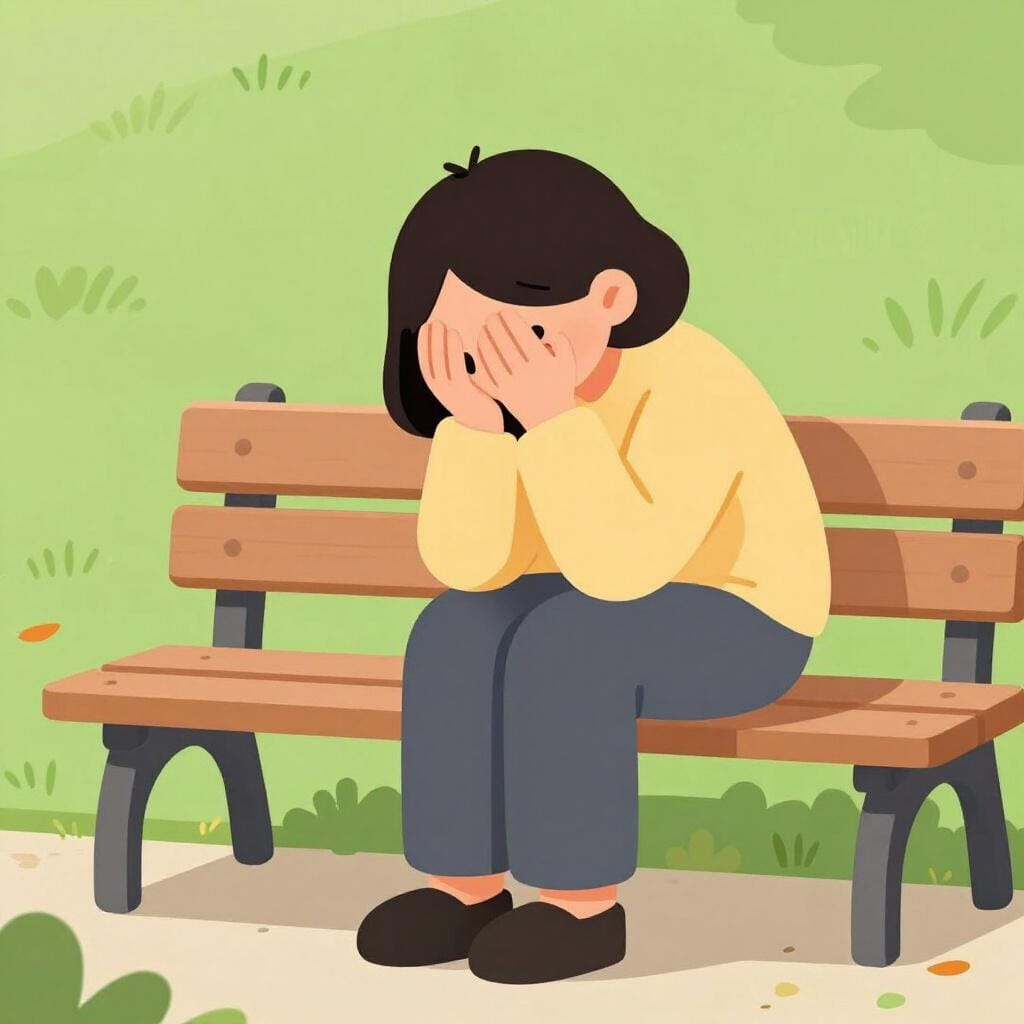
Examples
Recibió una noticia devastadora sobre su salud.
She received devastating news about her health.
El crítico escribió una reseña devastadora de la película.
The critic wrote a devastating review of the movie.
Fue una derrota devastadora para el equipo.
It was a crushing defeat for the team.
Describing Feelings vs. Causes
Remember, 'devastador' describes the news or the event, not the person who is sad.
Don't use with 'estar' for people
Mistake: “Ella está devastadora.”
Correction: Ella está devastada. Saying 'está devastadora' would imply she is currently destroying things around her!
Abrumador vs. Matando
Related Translations
Learn Spanish with Inklingo
Interactive stories, personalized learning, and more.