How to Say "drone" in Spanish
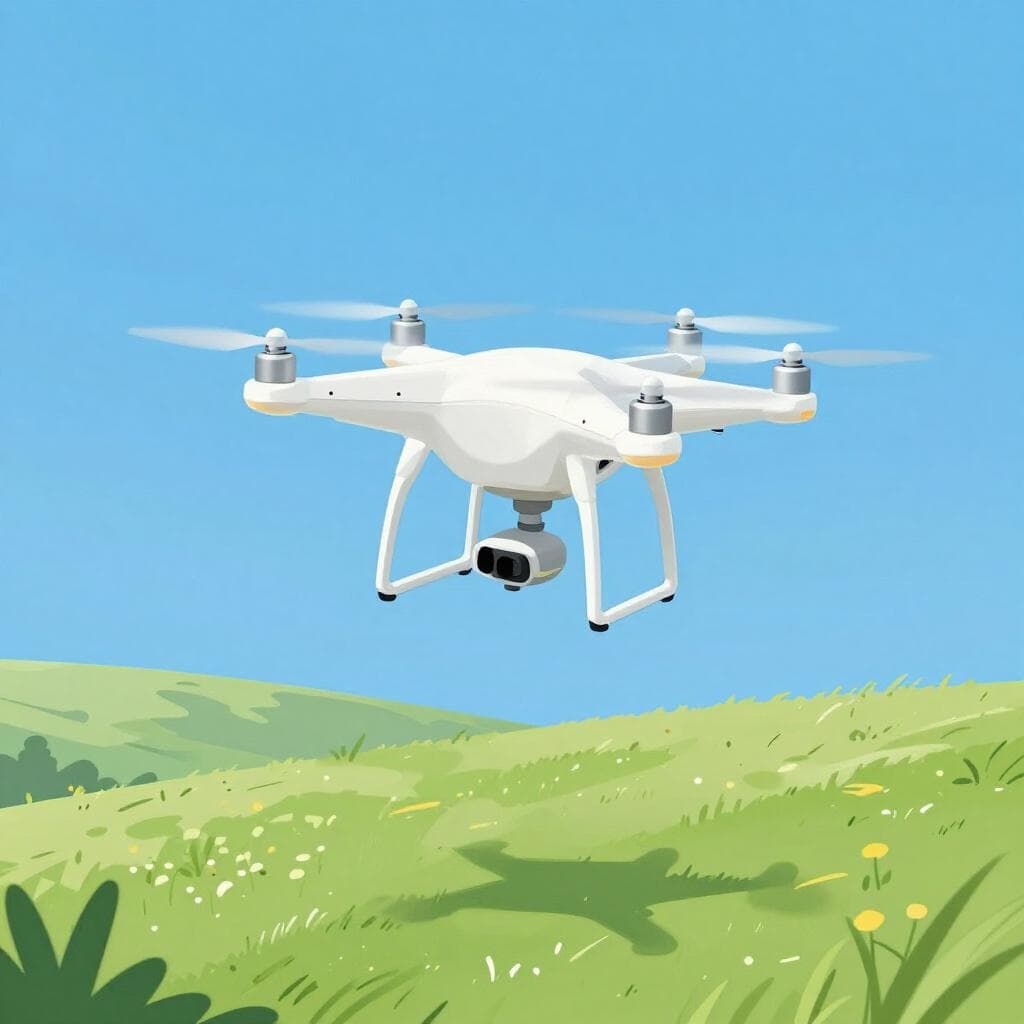
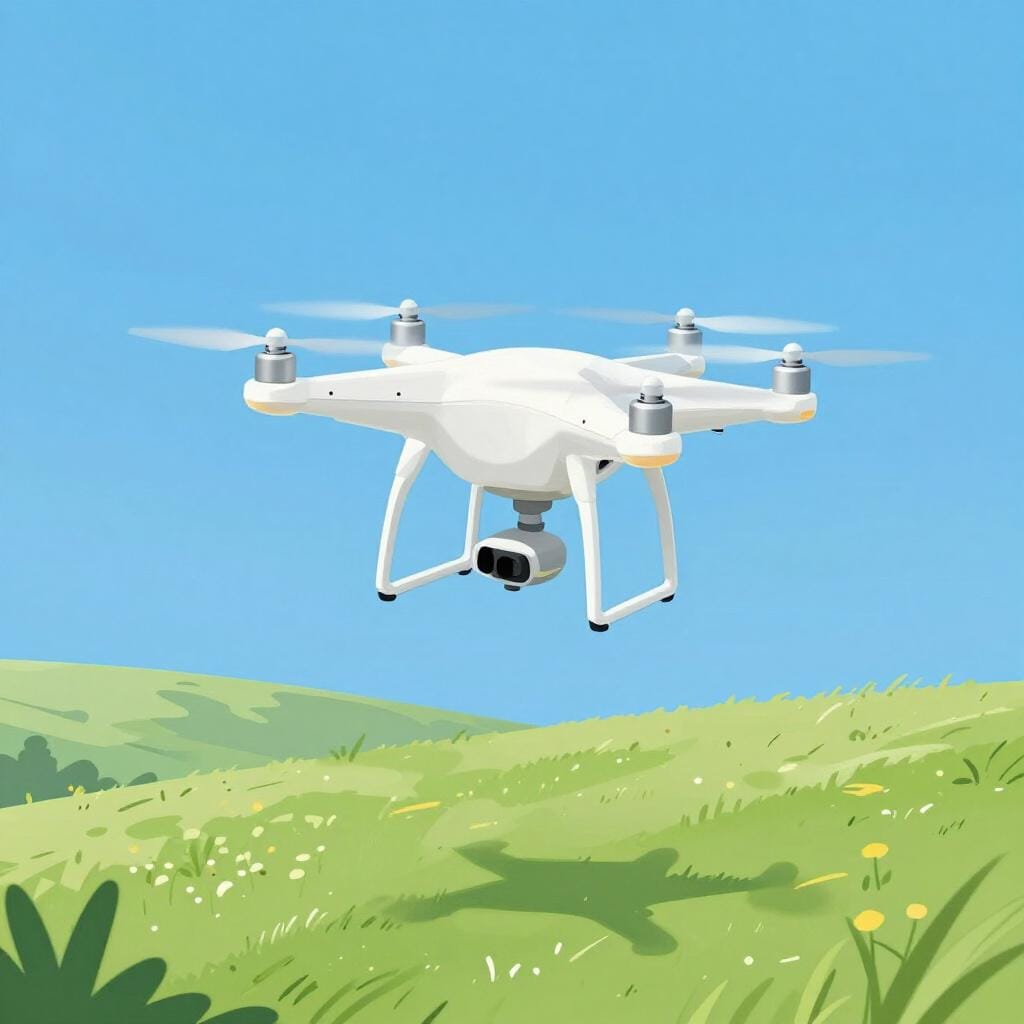
The most common Spanish word for “drone” is “dron” — use 'dron' when referring to an unmanned aerial vehicle (UAV) or a flying robot, often equipped with a camera.
drohndɾon
Examples
Mi hermano tiene un dron con cámara.
My brother has a drone with a camera.
Es divertido volar un dron en el parque.
It is fun to fly a drone in the park.
La policía usa drones para vigilar el tráfico.
The police use drones to monitor traffic.
Making it Plural
Since 'dron' ends in a consonant, you add '-es' to make it plural: 'los drones'.
Which Gender?
This is a 'masculine' word. Always use 'el' or 'un' with it (el dron, un dron).
The English Spelling Trap
Mistake: “Me gusta mucho mi drone.”
Correction: Me gusta mucho mi dron. In Spanish, we drop the 'e' at the end that exists in the English spelling.
thoom-BEE-dohθumˈbiðo

Examples
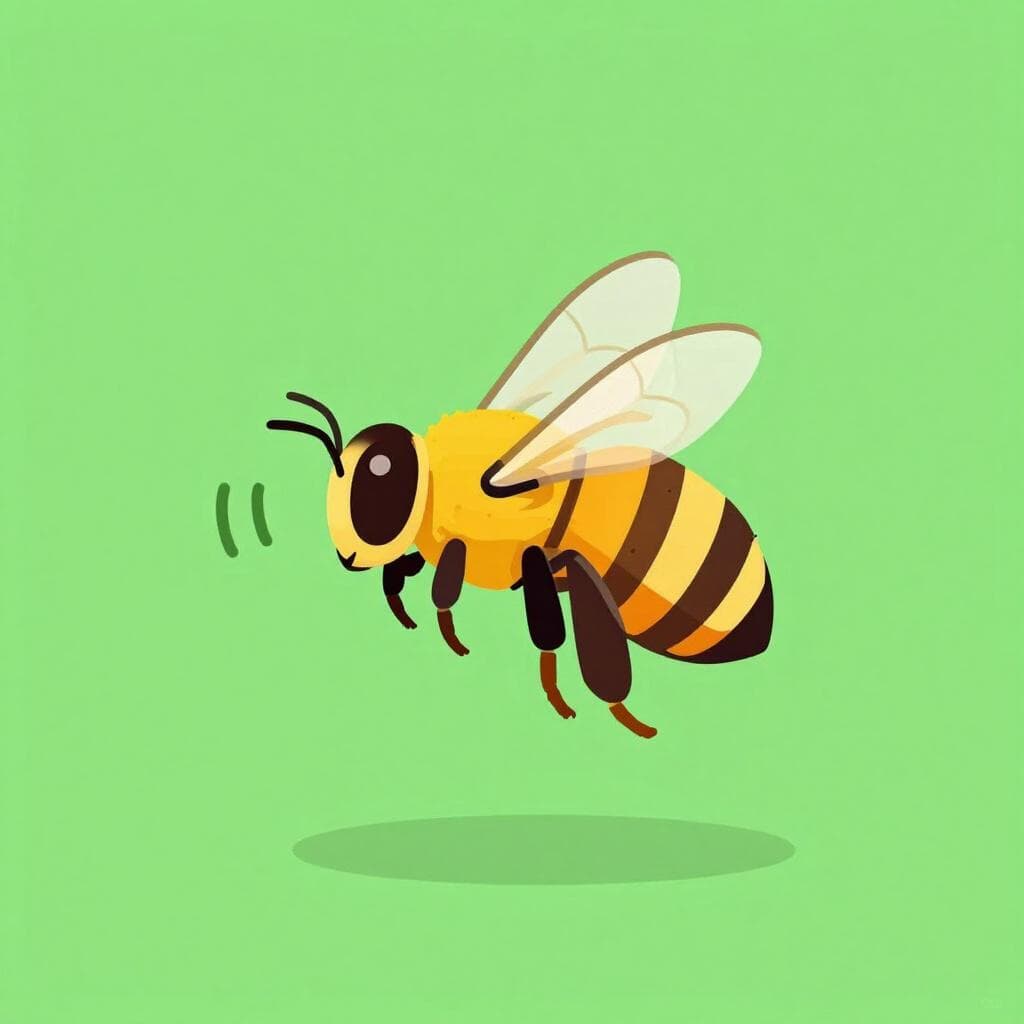
El zumbido de las abejas en el jardín es muy relajante.
The buzz of the bees in the garden is very relaxing.
Hay un zumbido extraño en el motor del coche.
There is a strange hum in the car engine.
El zumbido constante de los ordenadores me distrae.
The constant drone of the computers distracts me.
Using 'haber' and 'escuchar'
To say 'there is a buzz,' use 'hay un zumbido.' To say you hear it, use 'escucho un zumbido' or 'oigo un zumbido.'
Masculine Gender
This word is masculine, so it always pairs with 'el', 'un', 'este', or 'mucho' (e.g., mucho zumbido).
Confusing the noun and the verb
Mistake: “El abeja está zumbido.”
Correction: La abeja está zumbando. (Use 'zumbido' for the sound itself, and 'zumbando' to describe the action of making the sound.)
Confusing Aircraft with Sound
The most common mistake is using 'zumbido' when referring to a flying drone. Remember that 'dron' is for the machine, while 'zumbido' is for the sound it might make or any other buzzing noise.
Related Translations
Learn Spanish with Inklingo
Interactive stories, personalized learning, and more.