How to Say "etiquette" in Spanish
The most common Spanish word for “etiquette” is “etiqueta” — use 'etiqueta' when referring to the established rules of behavior and conduct expected in social, professional, or diplomatic situations.

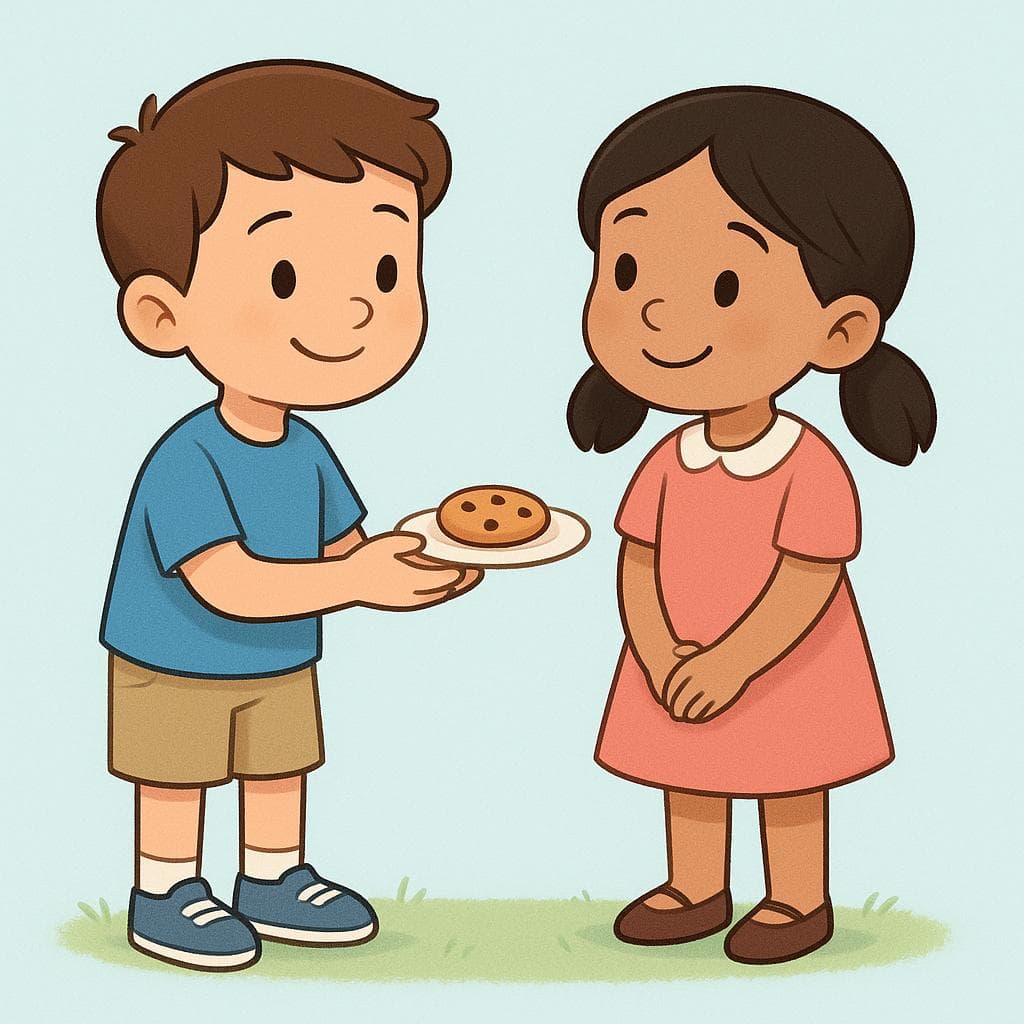

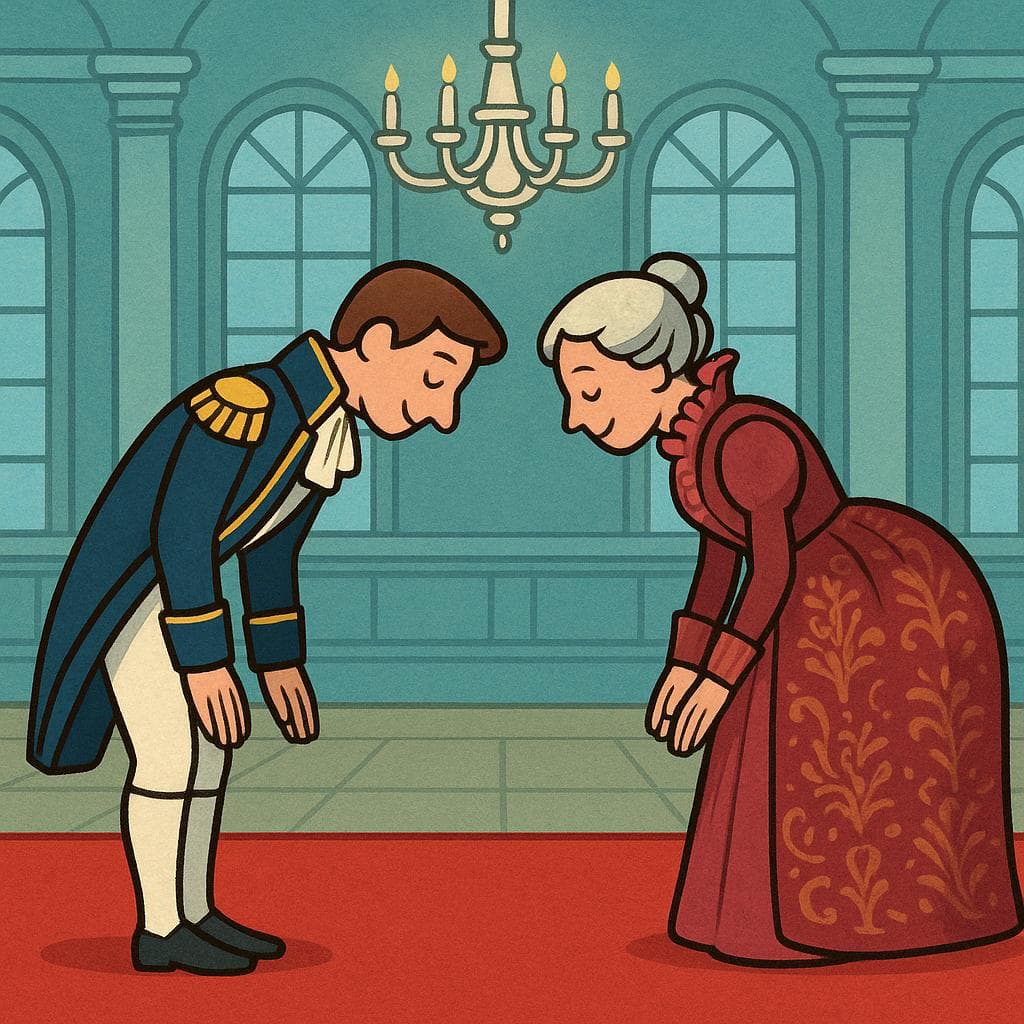
etiqueta
eh-tee-KEH-tahe.tiˈke.ta

Examples
Hay que seguir la etiqueta en eventos diplomáticos.
One must follow the etiquette at diplomatic events.
Según la etiqueta, no debes empezar a comer hasta que todos estén servidos.
According to etiquette, you shouldn't start eating until everyone has been served.
Using the Verb 'Guardar'
To say 'to observe' or 'to follow' etiquette, Spanish often uses the verb 'guardar': 'Guardar la etiqueta' (To observe the etiquette).
Mixing up the Meanings
Mistake: “No sé la etiqueta de esta botella. (When meaning 'I don't know the proper behavior')”
Correction: No sé las reglas de etiqueta. (Use 'reglas de etiqueta' when referring to social norms, not the physical object).
modales
moh-DAH-lesmoˈðales
Examples
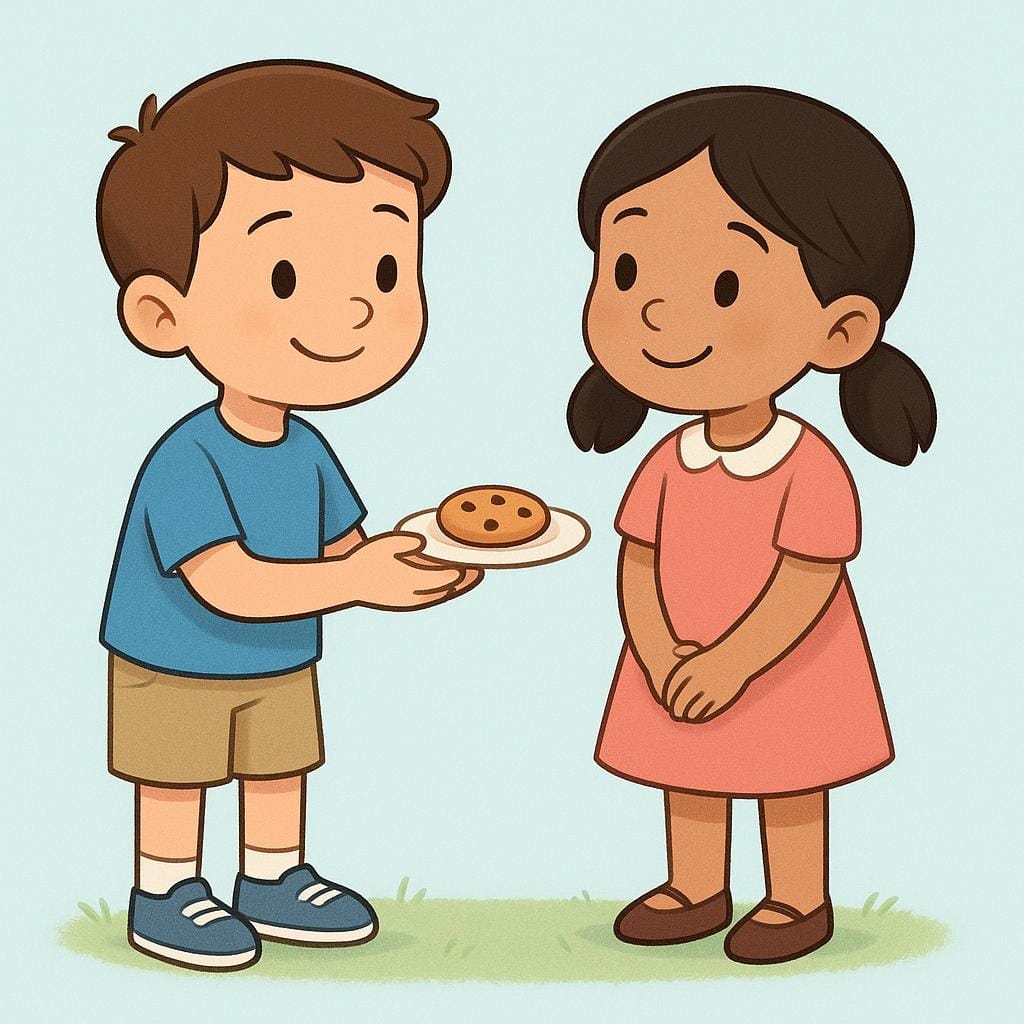
Tu hijo tiene muy buenos modales en la mesa.
Your son has very good manners at the table.
Perdió el trabajo por sus malos modales con el cliente.
He lost the job because of his bad manners with the client.
En esta cultura, los modales son muy importantes.
In this culture, etiquette is very important.
Always Plural
The word 'modales' is almost always used in its plural form, even though it refers to a single concept (the idea of manners). You must use 'los modales' and plural adjectives ('buenos modales').
Using the Singular Form
Mistake: “Using *el modal* when you mean 'manners'.”
Correction: Always use the plural: *los modales*. *El modal* is a technical term meaning 'mode' or 'modal verb' and has a completely different meaning.
protocolo
proh-toh-KOH-lohpɾotoˈkolo

Examples
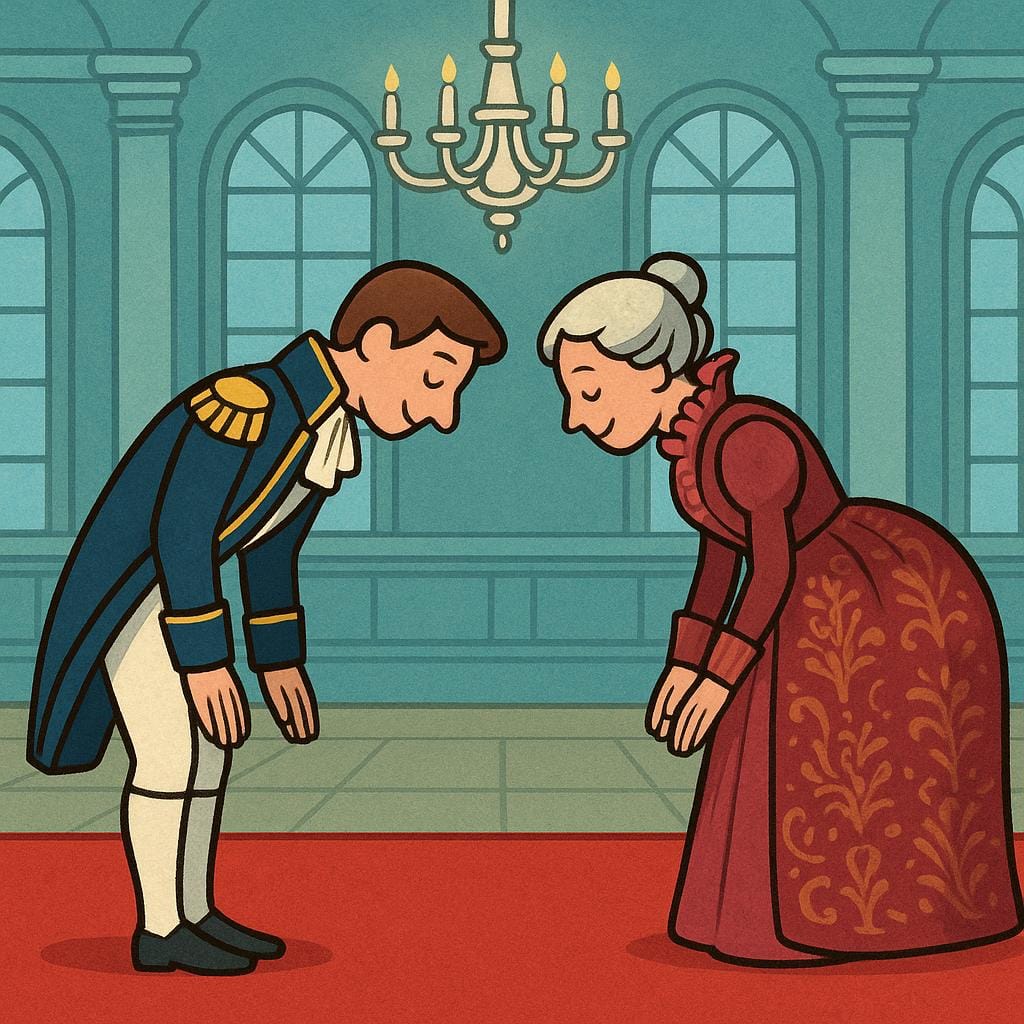
El embajador siguió el protocolo al pie de la letra durante la cena real.
The ambassador followed the protocol to the letter during the royal dinner.
¿Conoces el protocolo para saludar a un presidente?
Do you know the proper etiquette for greeting a president?
El error causó un problema diplomático porque rompieron el protocolo.
The mistake caused a diplomatic problem because they broke protocol.
Always Masculine
Even though it ends in '-o', remember 'protocolo' is always a masculine word, so you must use 'el' (el protocolo) or 'un' (un protocolo).
ceremonia
seh-reh-MOH-nee-ahse.ɾeˈmo.nja
Examples
Deja tanta ceremonia, somos amigos.
Stop with all the fuss/formality, we are friends.
Entró en la casa sin ninguna ceremonia.
She entered the house without any formality (casually).
Using 'Tanta'
When talking about excessive formality, 'ceremonia' is often paired with 'tanta' (so much) to emphasize that the behavior is annoying or unnecessary: '¡No hagas tanta ceremonia!' (Don't make such a big deal out of it!).
Etiqueta vs. Modales vs. Protocolo
Related Translations
Learn Spanish with Inklingo
Interactive stories, personalized learning, and more.