How to Say "manners" in Spanish
The most common Spanish word for “manners” is “maneras” — use 'maneras' when referring to general social behavior and politeness, often in a positive sense like 'good manners'. It's a common and versatile choice.
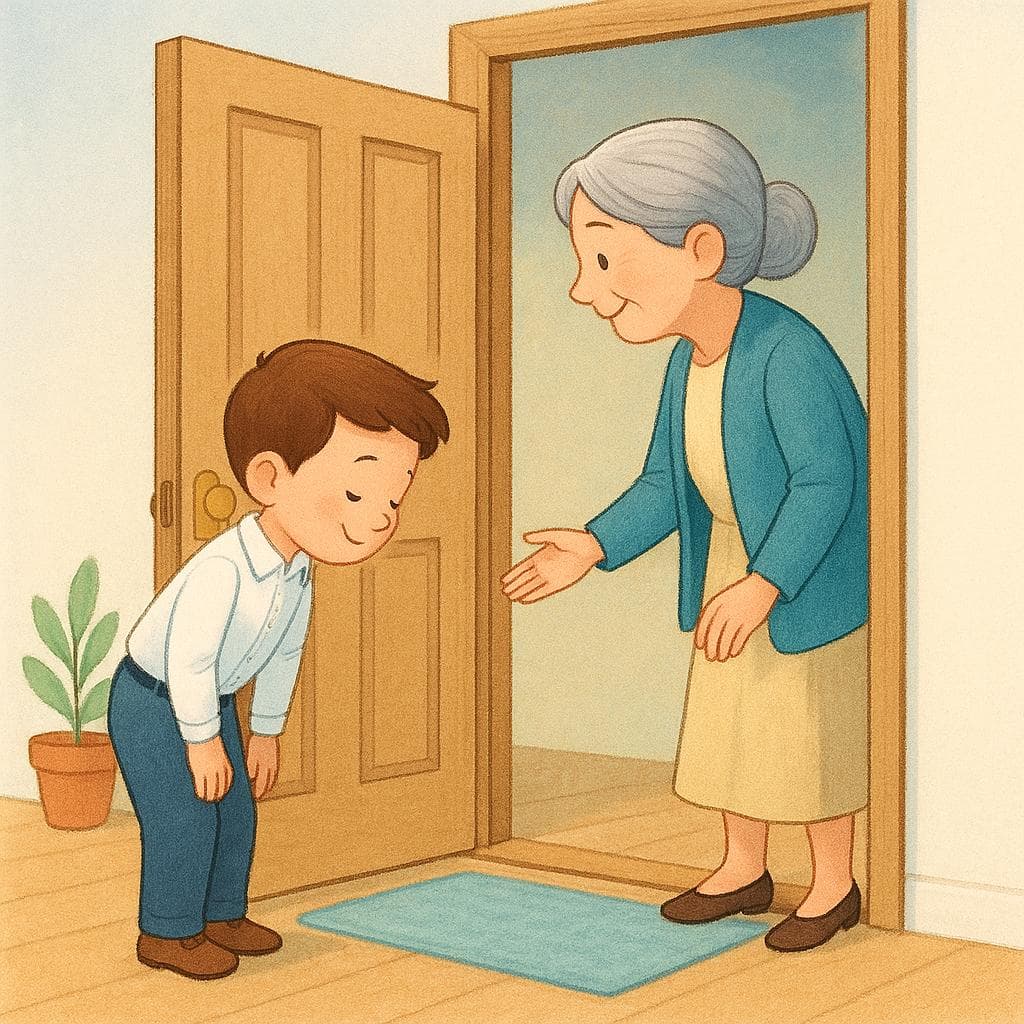
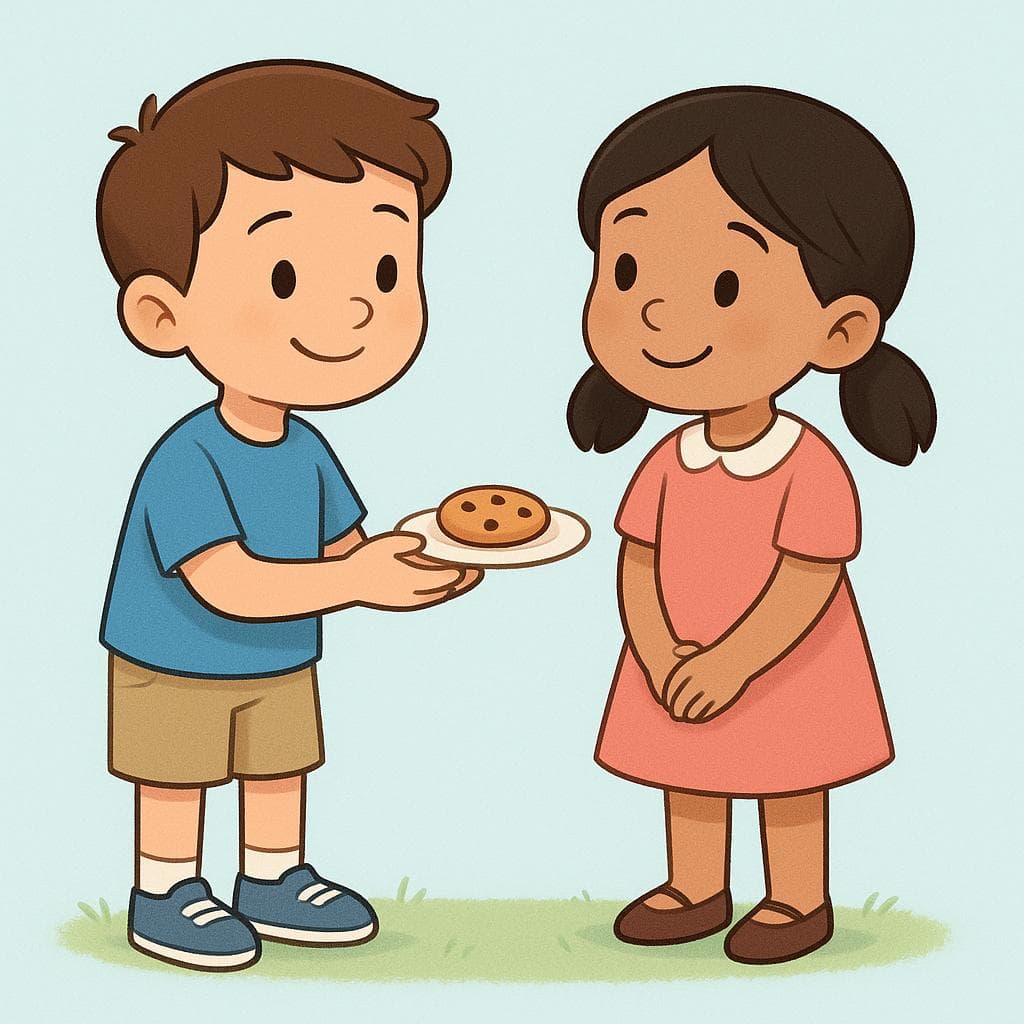
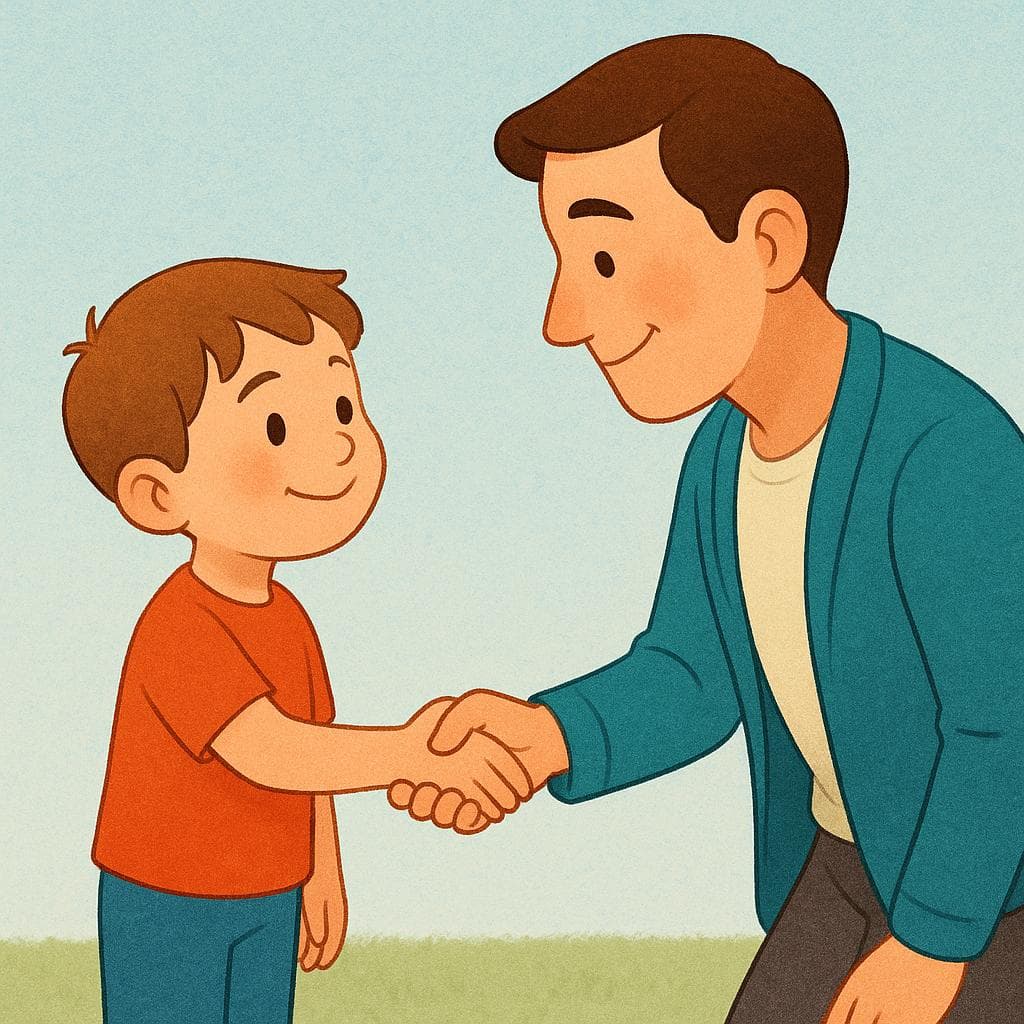
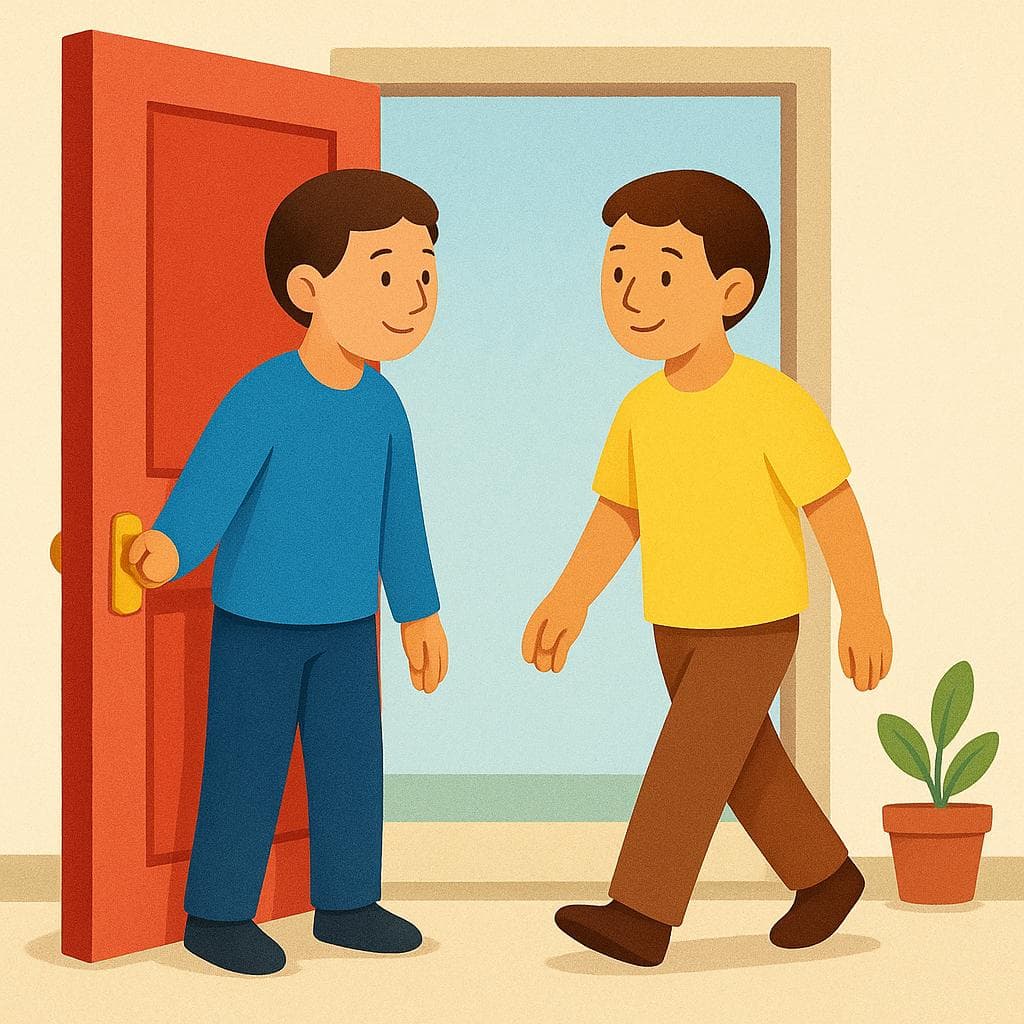

maneras
mah-NEH-rahsmaˈneɾas
Examples
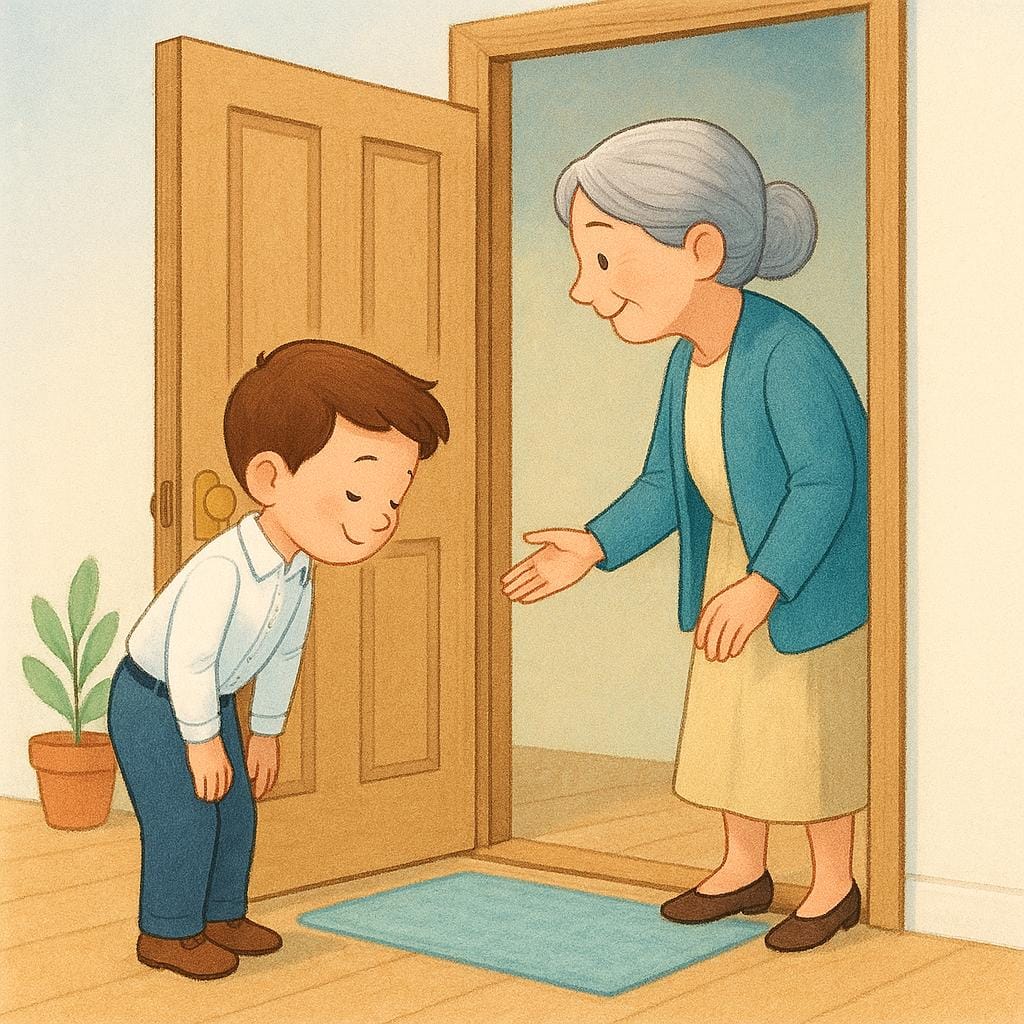
Tu hijo tiene muy buenas maneras.
Your son has very good manners.
Es importante enseñar buenas maneras a los niños.
It is important to teach good manners to children.
Sus maneras eran un poco rudas en la cena.
His manners were a bit rough at dinner.
Always Plural
When referring to social behavior, 'maneras' is almost always used in the plural, just like 'manners' in English.
educación
Examples
Se nota que tu hijo tiene muy buena educación.
It shows that your son has very good manners/upbringing.
modales
moh-DAH-lesmoˈðales
Examples
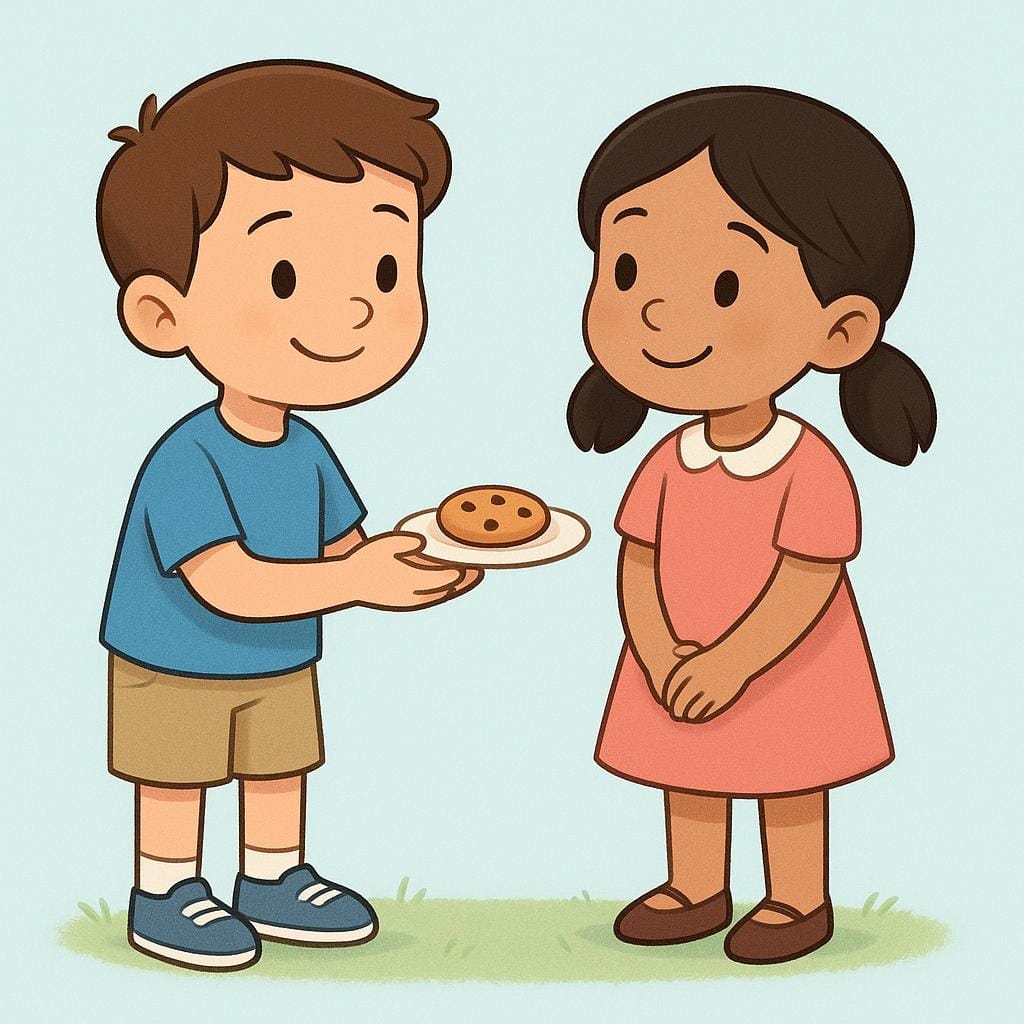
Tu hijo tiene muy buenos modales en la mesa.
Your son has very good manners at the table.
Perdió el trabajo por sus malos modales con el cliente.
He lost the job because of his bad manners with the client.
En esta cultura, los modales son muy importantes.
In this culture, etiquette is very important.
Always Plural
The word 'modales' is almost always used in its plural form, even though it refers to a single concept (the idea of manners). You must use 'los modales' and plural adjectives ('buenos modales').
Using the Singular Form
Mistake: “Using *el modal* when you mean 'manners'.”
Correction: Always use the plural: *los modales*. *El modal* is a technical term meaning 'mode' or 'modal verb' and has a completely different meaning.
modos
moh-dohsˈmo.ðos
Examples
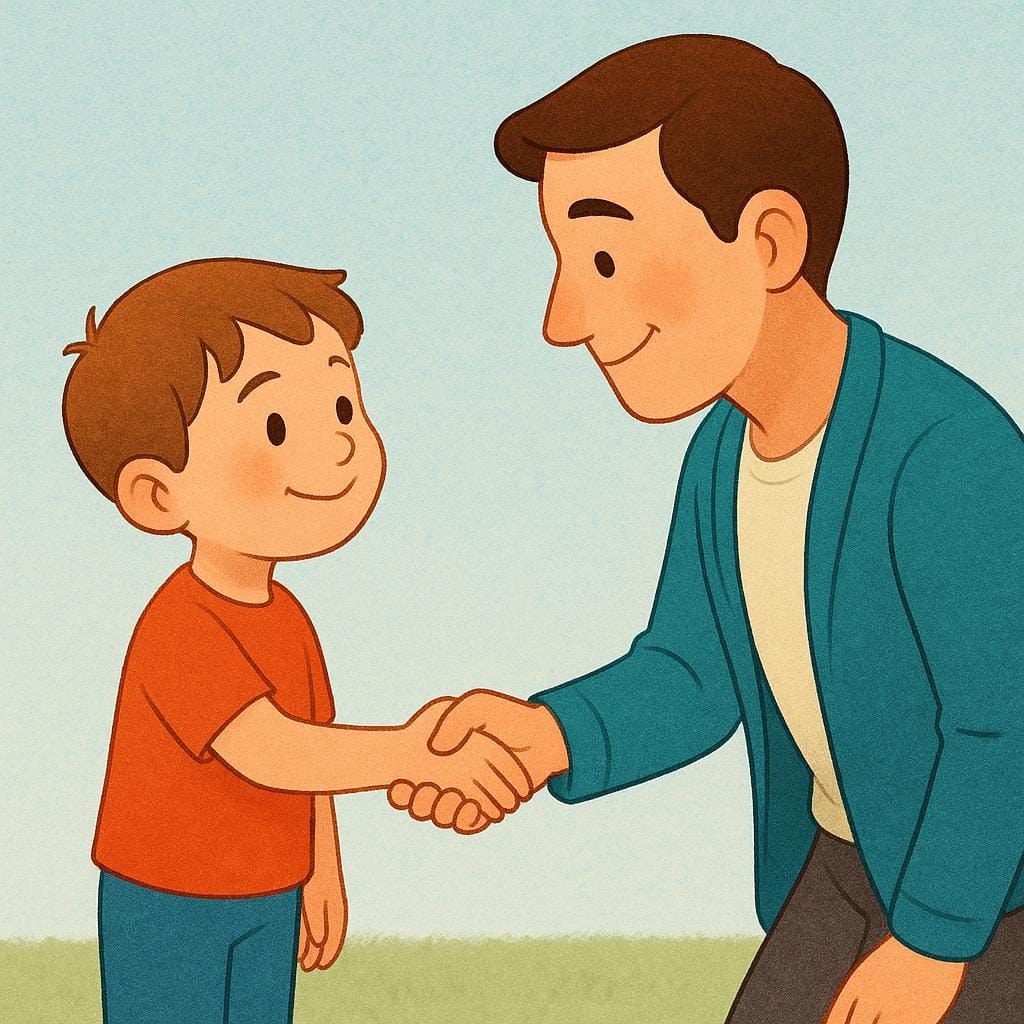
Es un niño con muy buenos modos, siempre dice 'por favor' y 'gracias'.
He's a child with very good manners, he always says 'please' and 'thank you'.
No me gustan sus modos; es una persona muy arrogante.
I don't like his ways; he's a very arrogant person.
¡Qué modos son esos de hablarle a tu madre!
What kind of tone is that to use with your mother!
Always Plural for Manners
'Modos' is the plural of 'modo'. When you're talking about someone's politeness or behavior, you almost always use this plural form. Think of it like 'manners' in English, which is also plural.
Using Singular for Behavior
Mistake: “Ella tiene buen modo.”
Correction: Ella tiene buenos modos. For politeness and general behavior, the plural form 'modos' is the natural and correct choice.
etiqueta
eh-tee-KEH-tahe.tiˈke.ta
Examples
Hay que seguir la etiqueta en eventos diplomáticos.
One must follow the protocol at diplomatic events.
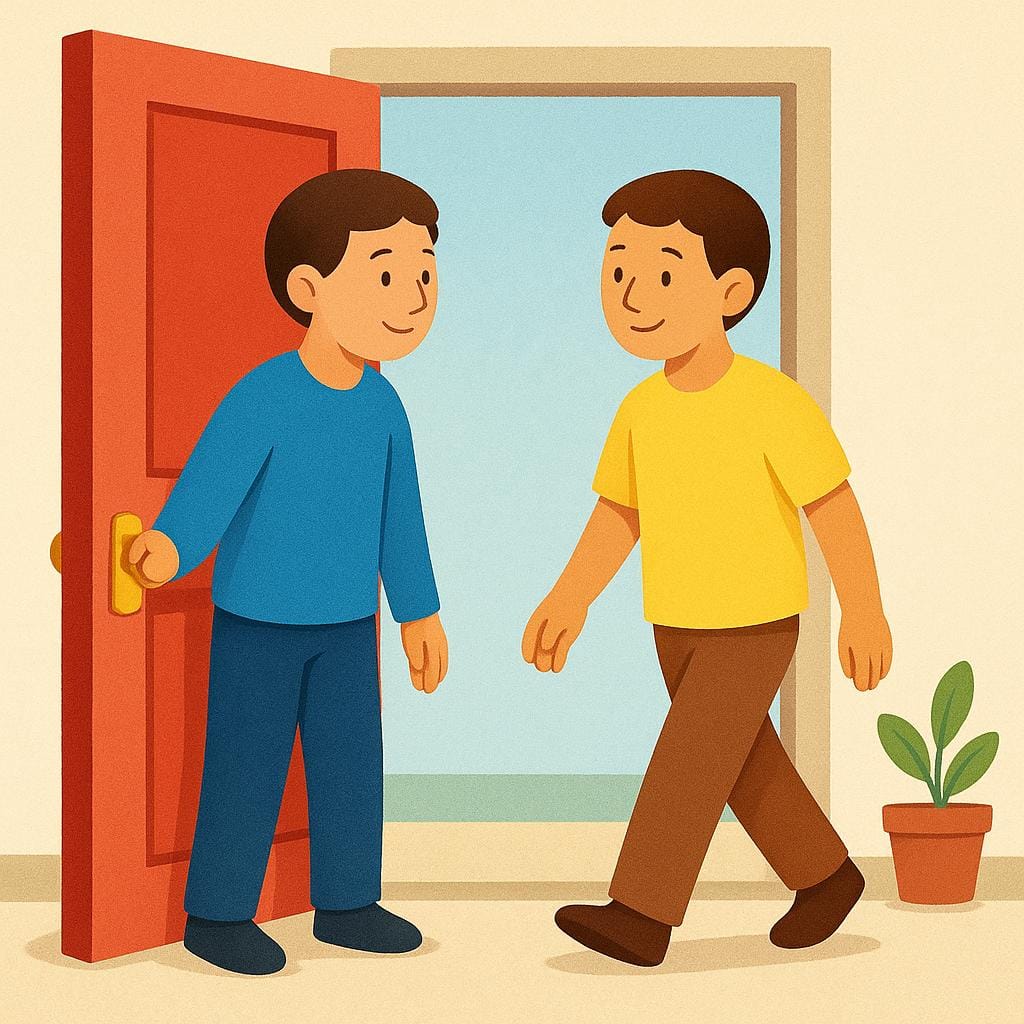
Según la etiqueta, no debes empezar a comer hasta que todos estén servidos.
According to etiquette, you shouldn't start eating until everyone has been served.
Using the Verb 'Guardar'
To say 'to observe' or 'to follow' etiquette, Spanish often uses the verb 'guardar': 'Guardar la etiqueta' (To observe the etiquette).
Mixing up the Meanings
Mistake: “No sé la etiqueta de esta botella. (When meaning 'I don't know the proper behavior')”
Correction: No sé las reglas de etiqueta. (Use 'reglas de etiqueta' when referring to social norms, not the physical object).
formas
for-masˈfoɾmas

Examples
Los niños dibujan formas en el papel: círculos, cuadrados y triángulos.
The children draw shapes on the paper: circles, squares, and triangles.
Hay muchas formas de aprender un idioma.
There are many ways to learn a language.
Por favor, complete estas formas con su información personal.
Please, fill out these forms with your personal information.
Making Nouns Plural
'Formas' is the plural of 'forma'. In Spanish, to make most words that end in a vowel (like -a, -e, -o) plural, you just add an '-s' at the end. Simple as that!
General vs. Specific Manners
Related Translations
Learn Spanish with Inklingo
Interactive stories, personalized learning, and more.