How to Say "exercises" in Spanish
The most common Spanish word for “exercises” is “ejercicios” — use 'ejercicios' when referring to physical fitness activities or the general concept of performing an action repeatedly for practice, like in a textbook.
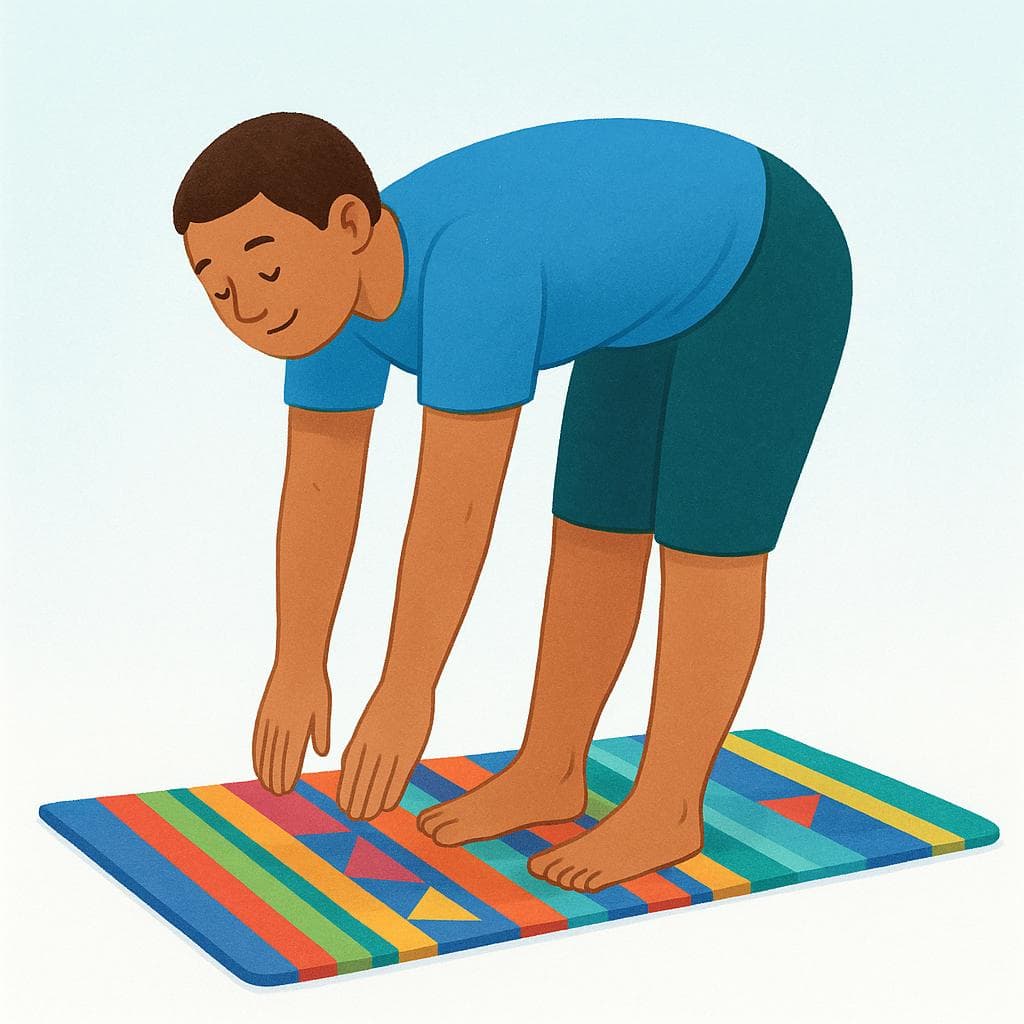

ejercicios
eh-hehr-SEE-syohsexeɾˈsisjos
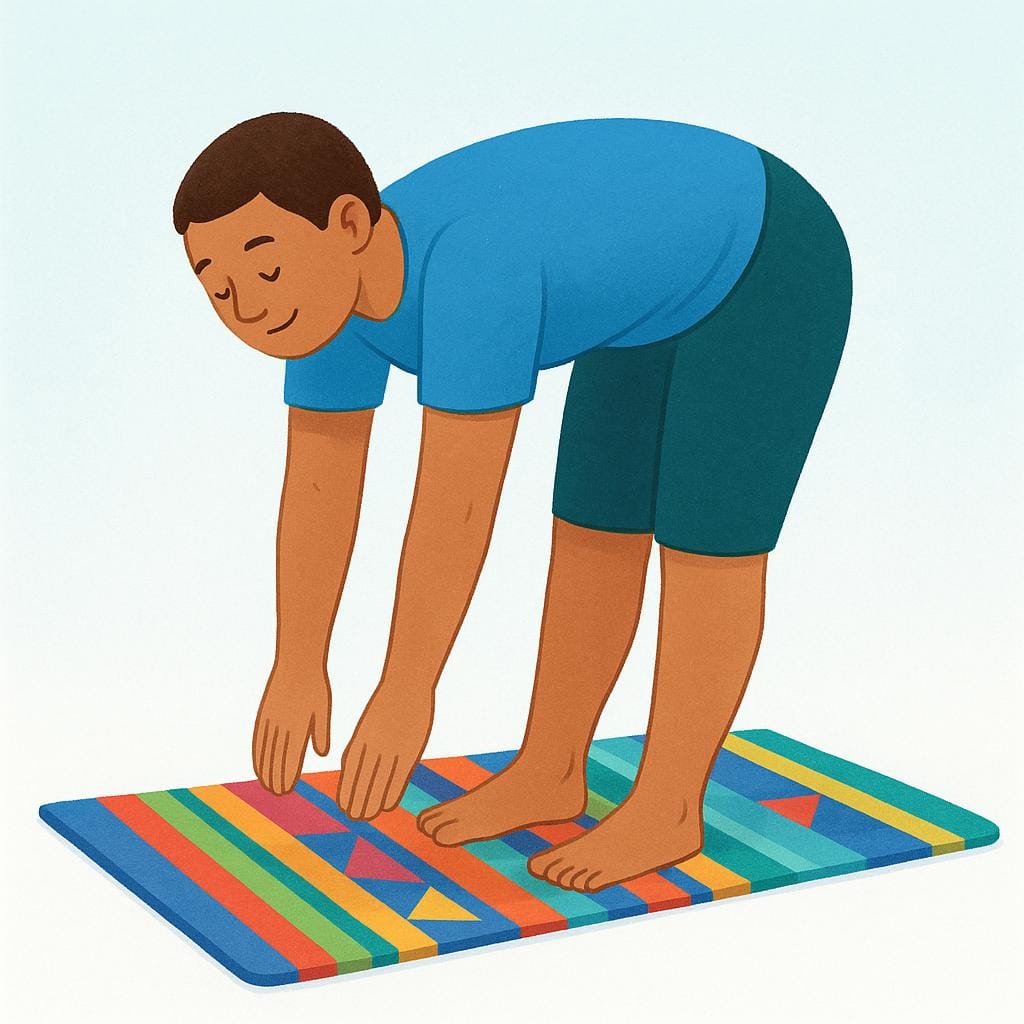
Examples
Hago ejercicios aeróbicos tres veces a la semana.
I do aerobic exercises three times a week.
Los ejercicios de estiramiento son importantes después de correr.
Stretching exercises are important after running.
El doctor me recomendó ejercicios de bajo impacto.
The doctor recommended low-impact exercises for me.
La profesora nos dejó diez ejercicios de matemáticas para la casa.
The teacher gave us ten math problems for homework.
Always Plural
When talking about physical activity in general (like 'working out'), Spanish often uses the plural form 'ejercicios', even if English might use the singular 'exercise'.
Plural Noun Rule
Remember that 'ejercicios' is always a masculine plural noun, so any adjectives describing it must also be masculine and plural (e.g., 'ejercicios difíciles' - difficult exercises).
Using the Singular for Routine
Mistake: “Hago ejercicio todos los días. (While understandable, less common for a set routine.)”
Correction: Hago ejercicios todos los días. (Use the plural when referring to the routine or variety of activities.)
ejercicios
eh-hehr-SEE-syohsexeɾˈsisjos
Examples
La profesora nos dejó diez ejercicios de matemáticas para la casa.
The teacher gave us ten math problems for homework.
Hago ejercicios aeróbicos tres veces a la semana.
I do aerobic exercises three times a week.
Los ejercicios de estiramiento son importantes después de correr.
Stretching exercises are important after running.
El doctor me recomendó ejercicios de bajo impacto.
The doctor recommended low-impact exercises for me.
Always Plural
When talking about physical activity in general (like 'working out'), Spanish often uses the plural form 'ejercicios', even if English might use the singular 'exercise'.
Plural Noun Rule
Remember that 'ejercicios' is always a masculine plural noun, so any adjectives describing it must also be masculine and plural (e.g., 'ejercicios difíciles' - difficult exercises).
Using the Singular for Routine
Mistake: “Hago ejercicio todos los días. (While understandable, less common for a set routine.)”
Correction: Hago ejercicios todos los días. (Use the plural when referring to the routine or variety of activities.)
problemas
pro-BLEH-maspɾoˈβle.mas

Examples
La maestra nos dio diez problemas de matemáticas.
The teacher gave us ten math problems.
No entiendo cómo resolver estos problemas de física.
I don't understand how to solve these physics problems.
Same Tricky Gender!
Just like the general meaning, this word is masculine. Always use 'el' or 'los' to talk about it, for example, 'los problemas de álgebra'.
Ejercicios vs. Problemas
Related Translations
Learn Spanish with Inklingo
Interactive stories, personalized learning, and more.