How to Say "express" in Spanish
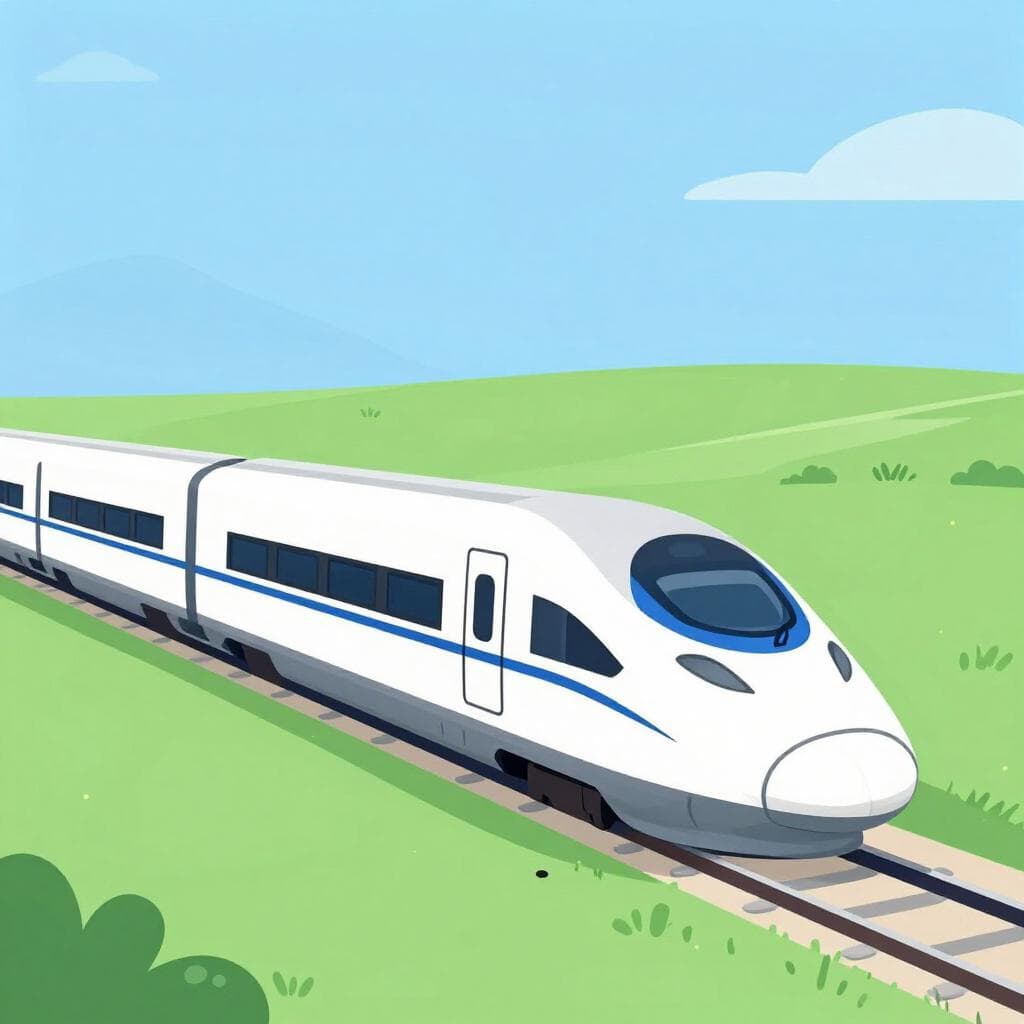
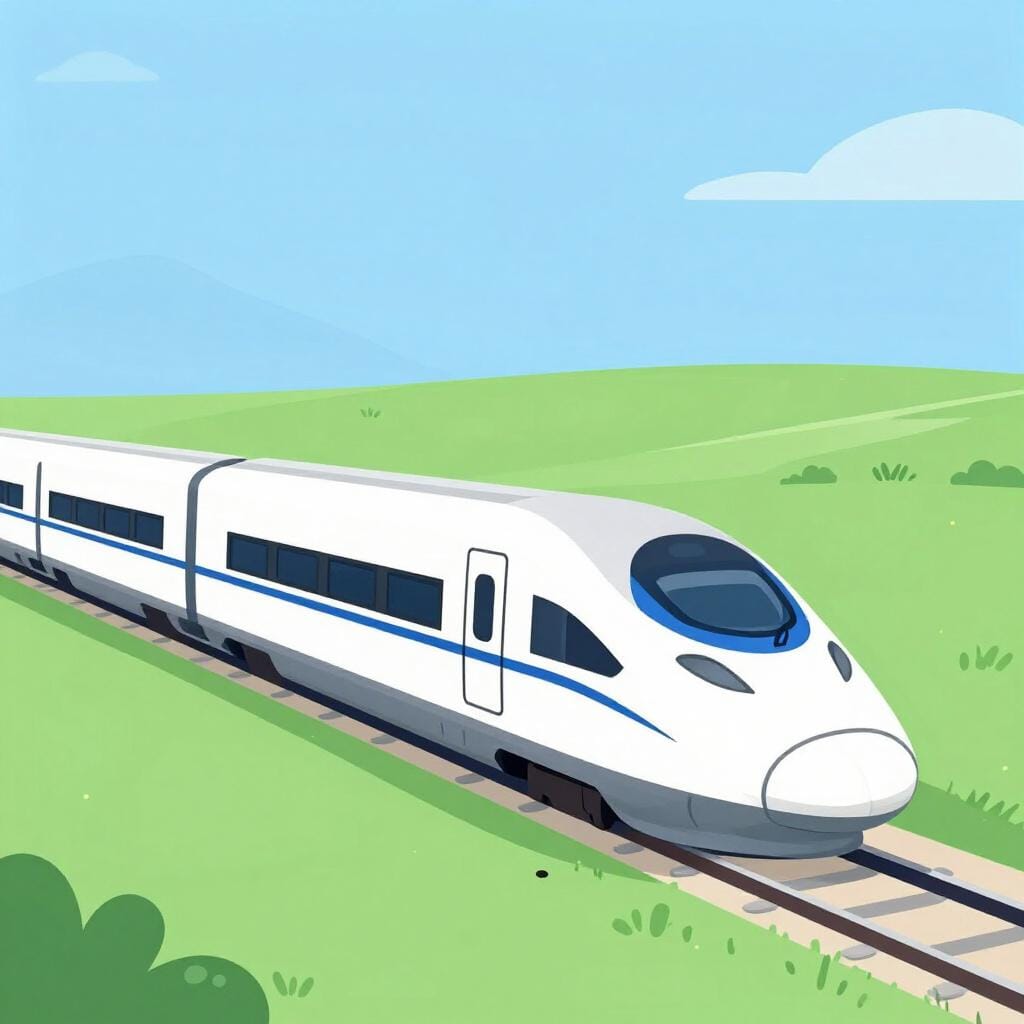
The most common Spanish word for “express” is “expreso” — use 'expreso' when referring to something that travels quickly or directly, like a train or a bus service.
ex-PREH-soheksˈpɾeso
Examples
El tren expreso llega en veinte minutos.
The express train arrives in twenty minutes.
Llegó en el tren expreso de las cinco.
He arrived on the five o'clock express train.
Lo hizo por deseo expreso de su madre.
He did it by the express wish of his mother.
Existe una prohibición expresa de fumar aquí.
There is an explicit prohibition against smoking here.
Matching the Noun
As a describing word, 'expreso' must change to 'expresa' if the thing it describes is feminine (e.g., 'petición expresa').
relámpago
Examples
Hicimos una visita relámpago a la ciudad.
We made a lightning visit to the city.
Expreso vs. Relámpago
Learners often confuse 'expreso' and 'relámpago' because both relate to speed. Remember that 'expreso' is typically for transportation (trains, buses) that is direct and fast, while 'relámpago' describes an event or action that is exceptionally brief and sudden.
Related Translations
Learn Spanish with Inklingo
Interactive stories, personalized learning, and more.