How to Say "extensive" in Spanish
The most common Spanish word for “extensive” is “extenso” — use 'extenso' when referring to something that covers a large physical space or has a broad scope, like a large area or a detailed report.


extenso
eks-TEN-soeksˈtenso

Examples
El informe del proyecto es muy extenso.
The project report is very extensive.
El jardín de la casa es muy extenso.
The house garden is very vast.
Argentina es un país con un territorio extenso.
Argentina is a country with an extensive territory.
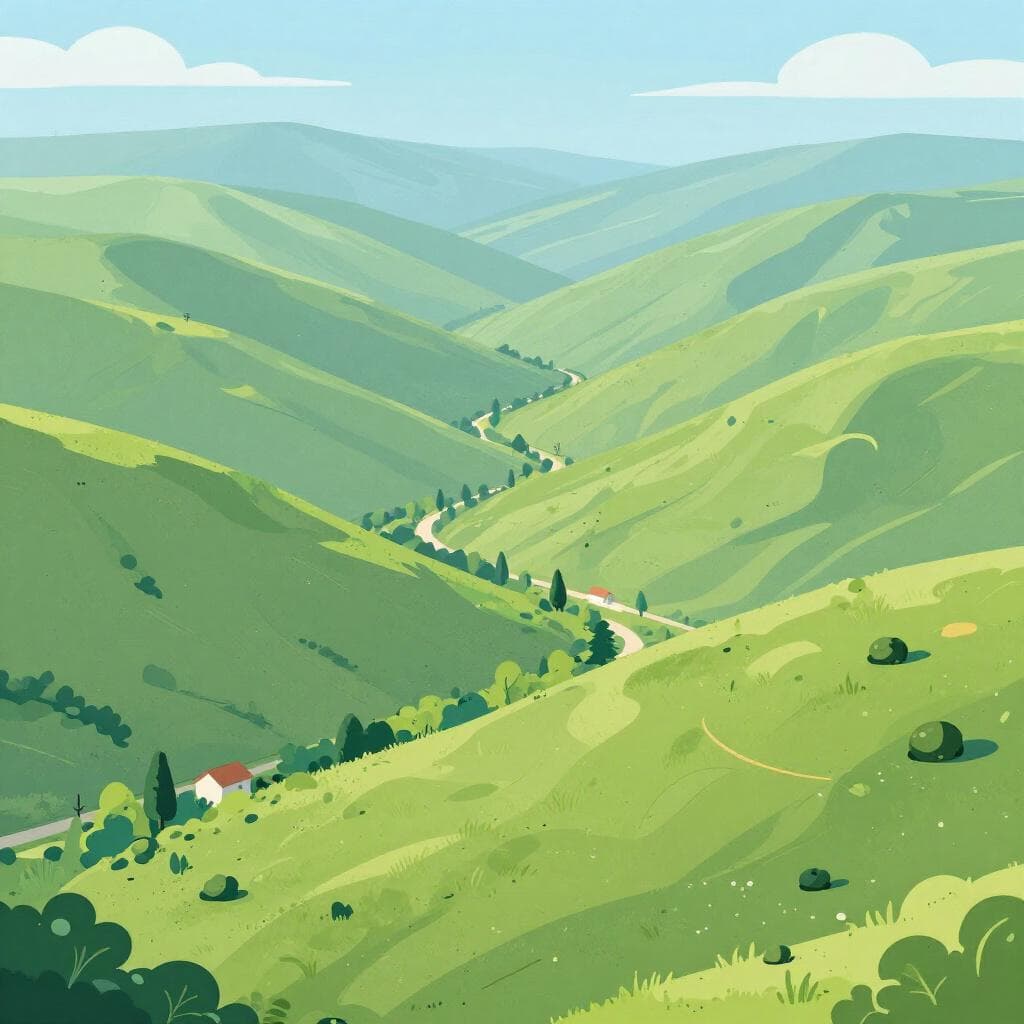
Desde la montaña vimos un bosque extenso y verde.
From the mountain we saw a vast and green forest.
Matching the word to what it describes
This word changes its ending to 'extensa' if the object is feminine (like 'la zona') and adds an 's' if there are multiple things (like 'los campos extensos').
Where to put the word
Usually, you place this word after the thing you are describing to sound most natural, like 'un bosque extenso'.
Tall people vs. Large areas
Mistake: “Using 'extenso' to describe a person's height.”
Correction: Use 'alto' for people; 'extenso' is only for surface area or length of content.
amplio
am-plyohˈampljo
Examples
Ella tiene un conocimiento amplio de la historia española.
She has an extensive knowledge of Spanish history.
La tienda ofrece una amplia gama de productos orgánicos.
The store offers a broad range of organic products.
Buscamos a alguien con una amplia experiencia en ventas.
We are looking for someone with extensive experience in sales.
Abstract Descriptions
When talking about ideas like 'knowledge' or 'experience,' 'amplio' works just like 'extensive' in English.
vasto
BAHS-tohˈbasto

Examples
El océano es un lugar vasto y misterioso.
The ocean is a vast and mysterious place.
Desde el avión se veían los vastos campos de trigo.
From the plane, the vast wheat fields could be seen.
El imperio romano ocupaba un territorio vasto.
The Roman Empire occupied a vast territory.
La profesora tiene un vasto conocimiento de la cultura maya.
The professor has a vast knowledge of Mayan culture.
Matching Endings
Like most Spanish describing words, 'vasto' must match the thing it describes. Use 'vasto' for masculine words (el campo) and 'vasta' for feminine words (la tierra).
Where to place it
You can put 'vasto' before the noun to sound more poetic or emphasize the size (un vasto desierto) or after it for a normal description (un desierto vasto).
Using 'vasto' for information
When describing mental things like 'knowledge' or 'experience', 'vasto' suggests the person knows almost everything about a topic.
The 'B' vs 'V' trap
Mistake: “Using 'basto' to mean huge.”
Correction: Use 'vasto' with a 'V'. In Spanish, 'basto' with a 'B' means someone is rude or something is coarse/rough, like sandpaper.
Extenso vs. Amplio for Knowledge
Learn Spanish with Inklingo
Interactive stories, personalized learning, and more.