How to Say "baggy" in Spanish
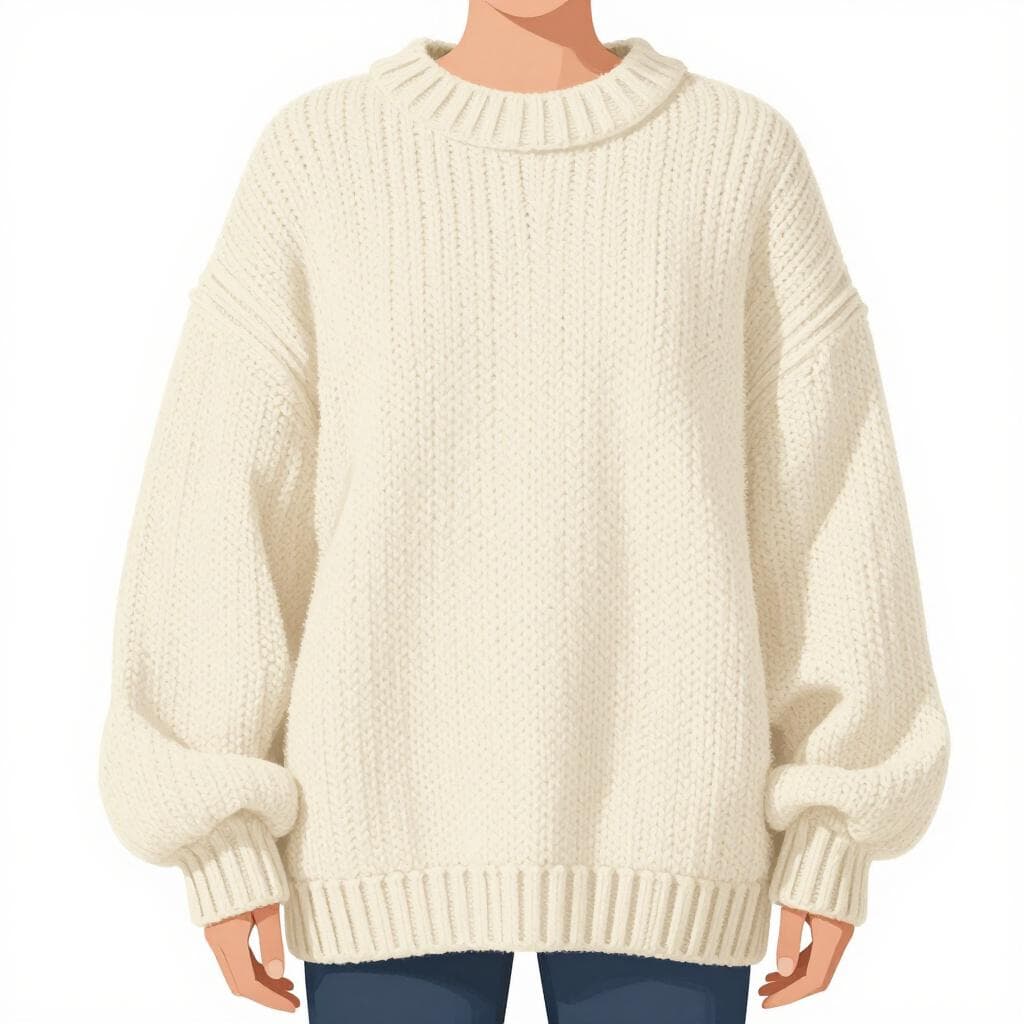
The most common Spanish word for “baggy” is “amplio” — use 'amplio' when referring to clothes that are comfortably loose or spacious, often chosen for ease of movement or comfort in warm weather.


amplio
am-plyohˈampljo
Examples
Me gusta llevar ropa amplia cuando hace calor.
I like to wear loose clothes when it's hot.
Estos pantalones me quedan muy amplios.
These pants fit me very loosely.
Prefiero una camisa más amplia para estar cómodo.
I prefer a looser shirt to be comfortable.
Describing Fit
When you say something fits you 'amplio', it means there is extra space between the fabric and your body.
Loose vs. Unfastened
Mistake: “Mi zapato está amplio.”
Correction: Mi zapato está suelto.
ancho
AHN-choˈantʃo

Examples
Me gusta llevar pantalones anchos en verano.
I like wearing loose pants in the summer.
flojo
FLO-hoˈflox o

Examples
Este tornillo está flojo, necesito un destornillador.
This screw is loose; I need a screwdriver.
Me gusta usar pantalones flojos cuando estoy en casa.
I like wearing baggy pants when I'm at home.
La cuerda está muy floja; tienes que tensarla.
The rope is very slack; you have to tighten it.
Describing State
When talking about objects being loose (like a screw or a rope), we almost always use the verb 'estar' because it describes a current state or condition.
Flojo vs. Suelto
Mistake: “Mi perro está flojo en el jardín.”
Correction: Use 'suelto' for 'loose' as in 'free/untied'. Use 'flojo' for things that are slack or not tight enough.
Choosing between 'amplio', 'ancho', and 'flojo'
Learn Spanish with Inklingo
Interactive stories, personalized learning, and more.