flojo
“flojo” means “lazy” in Spanish. It has 3 different meanings depending on context:


lazy
Also: idle
📝 In Action
No seas flojo y ayúdame a limpiar.
A1Don't be lazy and help me clean.
Hoy me siento un poco flojo y no quiero ir al gimnasio.
A2Today I feel a bit lazy and I don't want to go to the gym.
Aquel estudiante es muy flojo; nunca hace la tarea.
B1That student is very lazy; he never does his homework.
loose, slack
Also: baggy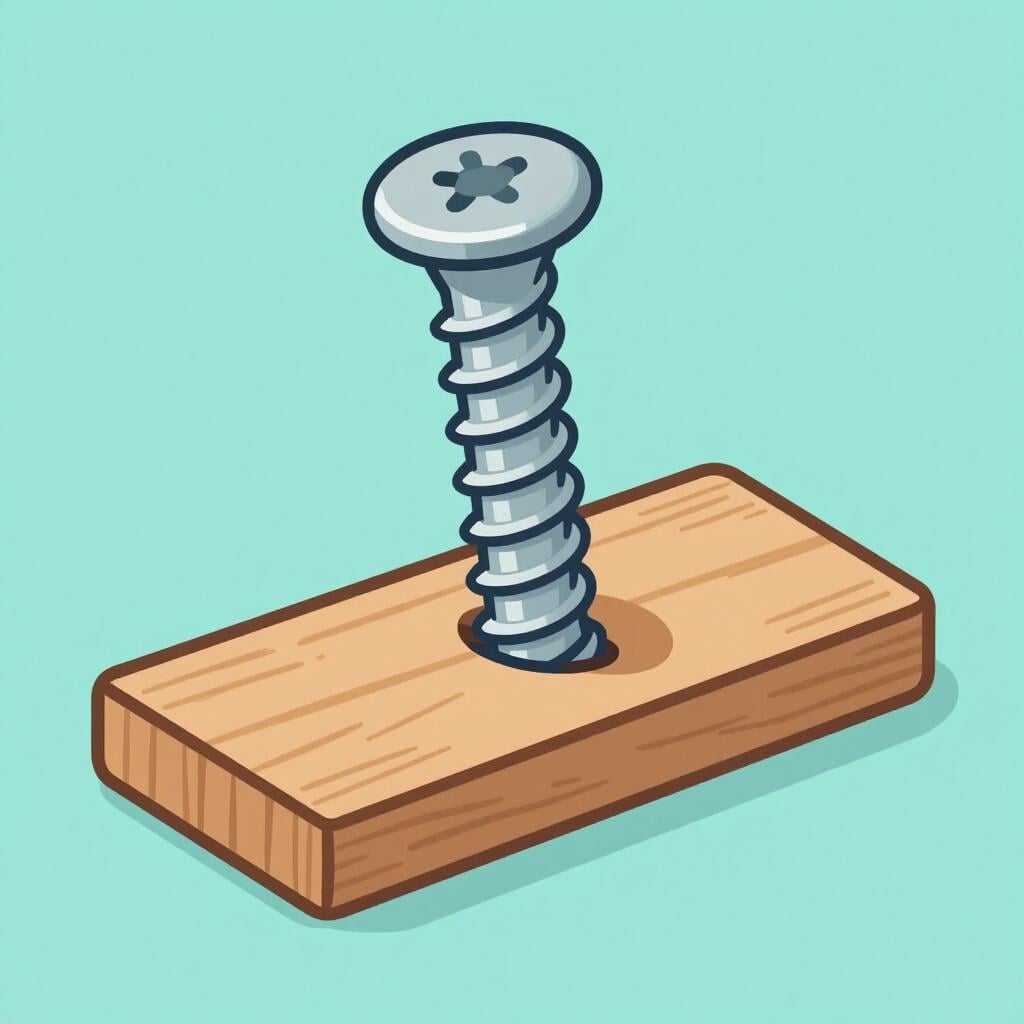
📝 In Action
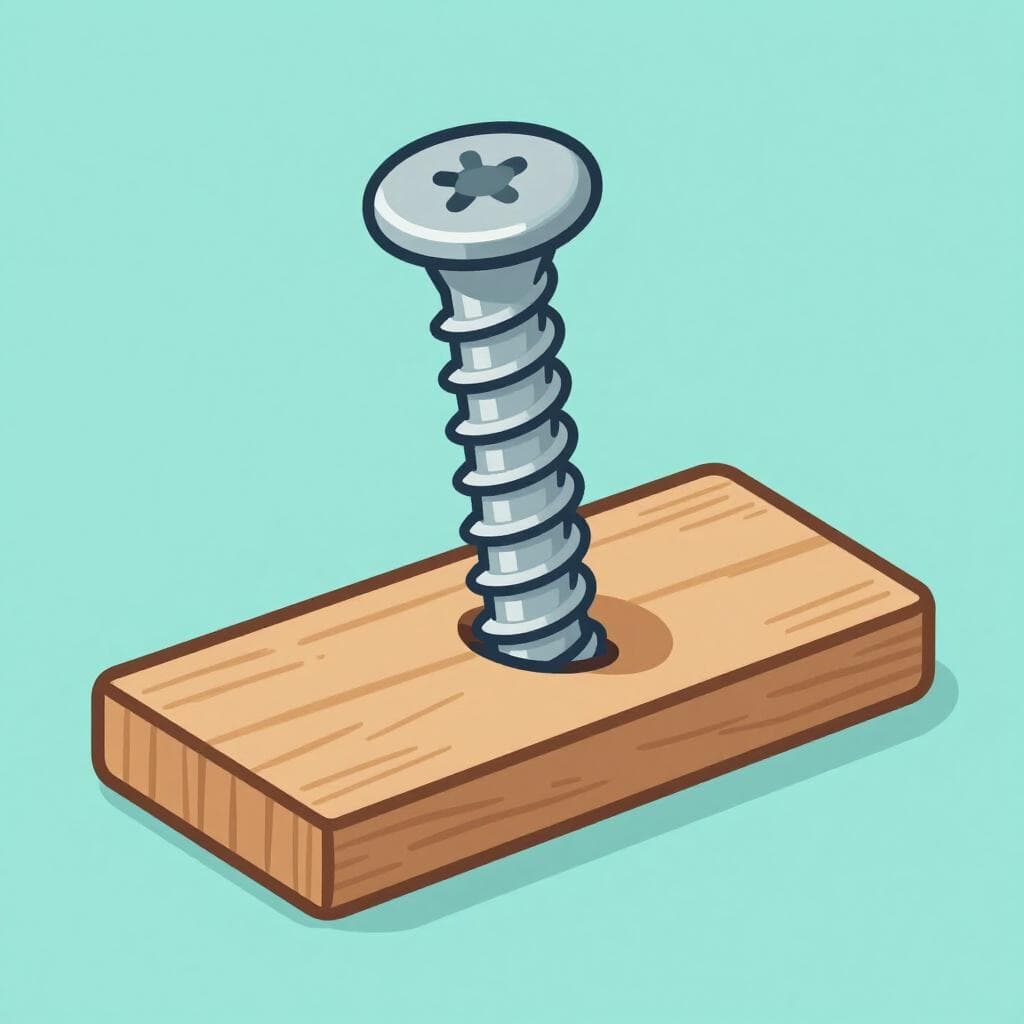
Este tornillo está flojo, necesito un destornillador.
A2This screw is loose; I need a screwdriver.
Me gusta usar pantalones flojos cuando estoy en casa.
A1I like wearing baggy pants when I'm at home.
La cuerda está muy floja; tienes que tensarla.
B1The rope is very slack; you have to tighten it.
weak
Also: poor, watery
📝 In Action
Este café está muy flojo, parece agua.
A2This coffee is very weak; it tastes like water.
La película tuvo un final muy flojo.
B1The movie had a very weak ending.
Las ventas han estado flojas este mes.
B2Sales have been sluggish this month.
Translate to Spanish
✏️ Quick Practice
Quick Quiz: flojo
Question 1 of 3
Which sentence uses 'flojo' to mean 'loose'?
📚 More Resources
👥 Word Family▼
📚 Etymology▼
From the Latin word 'fluxus', which means 'flowing', 'loose', or 'slack'. Over time, the meaning expanded from physically loose objects to people who lack the 'tension' or drive to work.
First recorded: 13th century
Cognates (Related words)
💡 Master Spanish
Take your Spanish to the next level. Read 200+ illustrated and narrated Spanish stories tailored to your level with the Inklingo app!
Frequently Asked Questions
Is 'flojo' an insult?
It can be. If you call someone 'un flojo', you are calling them a lazy person. However, among friends, it can be used lightheartedly.
What is the difference between 'flojo' and 'perezoso'?
They both mean 'lazy'. 'Perezoso' is the formal/standard word used in textbooks and Spain, while 'flojo' is more common in casual Latin American Spanish.
Can 'flojo' mean 'relaxed'?
Not really. Use 'relajado' for that. 'Flojo' implies a lack of necessary tension or effort, which is usually seen as a negative thing.