How to Say "far away" in Spanish
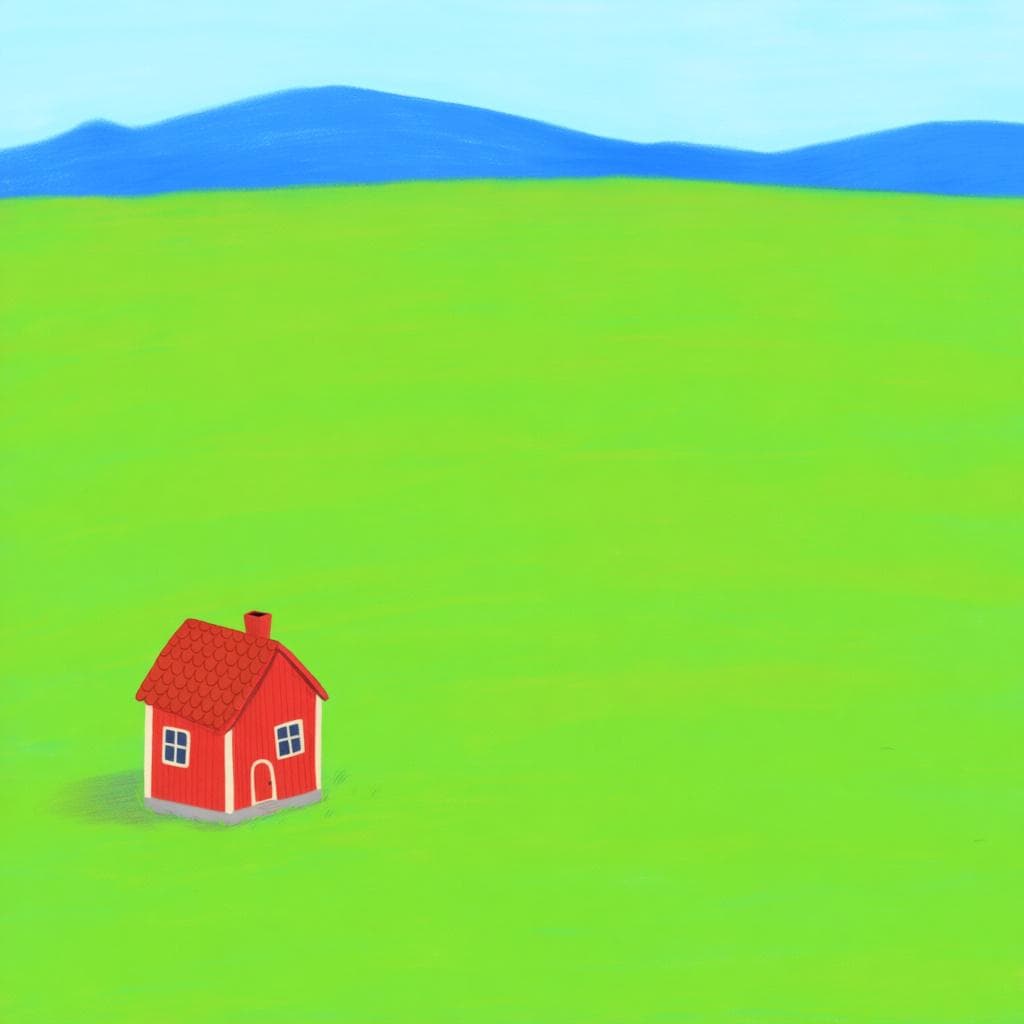
The most common Spanish word for “far away” is “lejos” — use 'lejos' when you want to indicate that a place or thing is at a significant distance from the speaker or another reference point.

lejos
LEH-hoss'lexos
Examples
Mi casa está lejos de la escuela.
My house is far from the school.
¿Vives muy lejos de aquí?
Do you live very far from here?
El aeropuerto no está lejos.
The airport isn't far.
Using 'lejos de'
To say something is far from another thing, you always use 'lejos de'. For example, 'Madrid está lejos de Barcelona' (Madrid is far from Barcelona).
Always Stays the Same
'Lejos' is an adverb, which is a word that describes an action or a state. This means it doesn't change for gender or number. It's always 'lejos', never 'leja' or 'lejosas'.
Using 'ser' instead of 'estar'
Mistake: “La tienda es lejos.”
Correction: La tienda está lejos. When you're talking about the location of something, even if it's a permanent location, you almost always use the verb 'estar'.
Confusing 'lejos' and 'lejano'
Mistake: “Vivo en una casa lejos.”
Correction: Vivo en una casa lejana OR Vivo lejos. 'Lejos' tells *where* you live (far away). 'Lejano'/'lejana' is an adjective that describes the house itself (a distant house).
distante
dees-TAHN-tehdisˈtante

Examples
Vivimos en una zona distante de la ciudad.
We live in an area far away from the city.
Se escuchaba un sonido distante.
A distant sound could be heard.
One Ending for Everyone
This word ends in 'e,' which means it stays the same whether you are describing a masculine or feminine thing. You don't need to change it to an 'o' or an 'a'.
Adverb vs. Adjective
Learn Spanish with Inklingo
Interactive stories, personalized learning, and more.