How to Say "fear" in Spanish
The most common Spanish word for “fear” is “miedo” — use 'miedo' for the general, everyday emotion of fear or being scared of something specific, whether tangible or not.
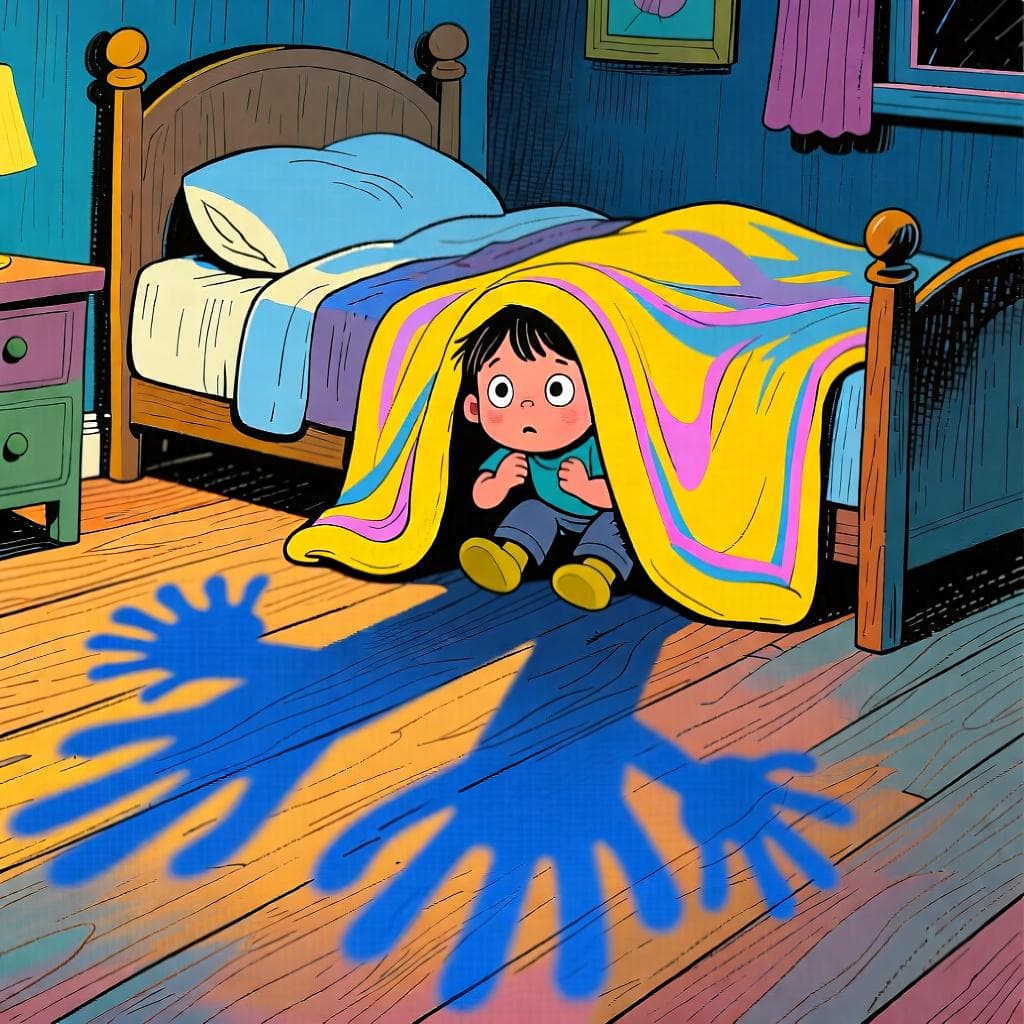

miedo
myeh-dohˈmje.ðo

Examples
Tengo miedo de la oscuridad.
I'm afraid of the dark.
El niño gritó de miedo al ver el monstruo.
The child screamed with fear upon seeing the monster.
No tengas miedo, es solo un perro pequeño.
Don't be afraid, it's just a small dog.
Using 'Tener' for Fear
In Spanish, you don't 'are' afraid, you 'have' fear. Always use the verb tener (to have). For example, 'Tengo miedo' (I have fear) literally, means 'I am afraid'.
Saying What You're Afraid OF
To say what you're afraid of, use tener miedo a or tener miedo de. Both are correct! For example, Tengo miedo a las arañas or Tengo miedo de las arañas both mean 'I'm afraid of spiders'.
Saying 'Soy miedo'
Mistake: “A common mistake is saying 'Soy miedo' to mean 'I am afraid'.”
Correction: The correct way is 'Tengo miedo'. Remember, in Spanish, fear is something you *have*, not something you *are*.
temor
teh-MORteˈmoɾ

Examples
El temor a lo desconocido es una emoción humana natural.
The fear of the unknown is a natural human emotion.
La decisión fue tomada con gran temor, pero era necesaria.
The decision was made with great dread, but it was necessary.
Sentía temor de fracasar después de tanto esfuerzo.
He felt fear of failing after so much effort.
Using Prepositions
When expressing the source of the fear, 'temor' usually connects using the preposition 'a' or 'de'. Example: 'temor a la oscuridad' (fear of the dark).
Gender Confusion
Mistake: “La temor”
Correction: El temor. Even though many words ending in '-or' are feminine, 'temor' is masculine (like 'el amor' or 'el color').
Miedo vs. Temor
Learn Spanish with Inklingo
Interactive stories, personalized learning, and more.