How to Say "festive" in Spanish
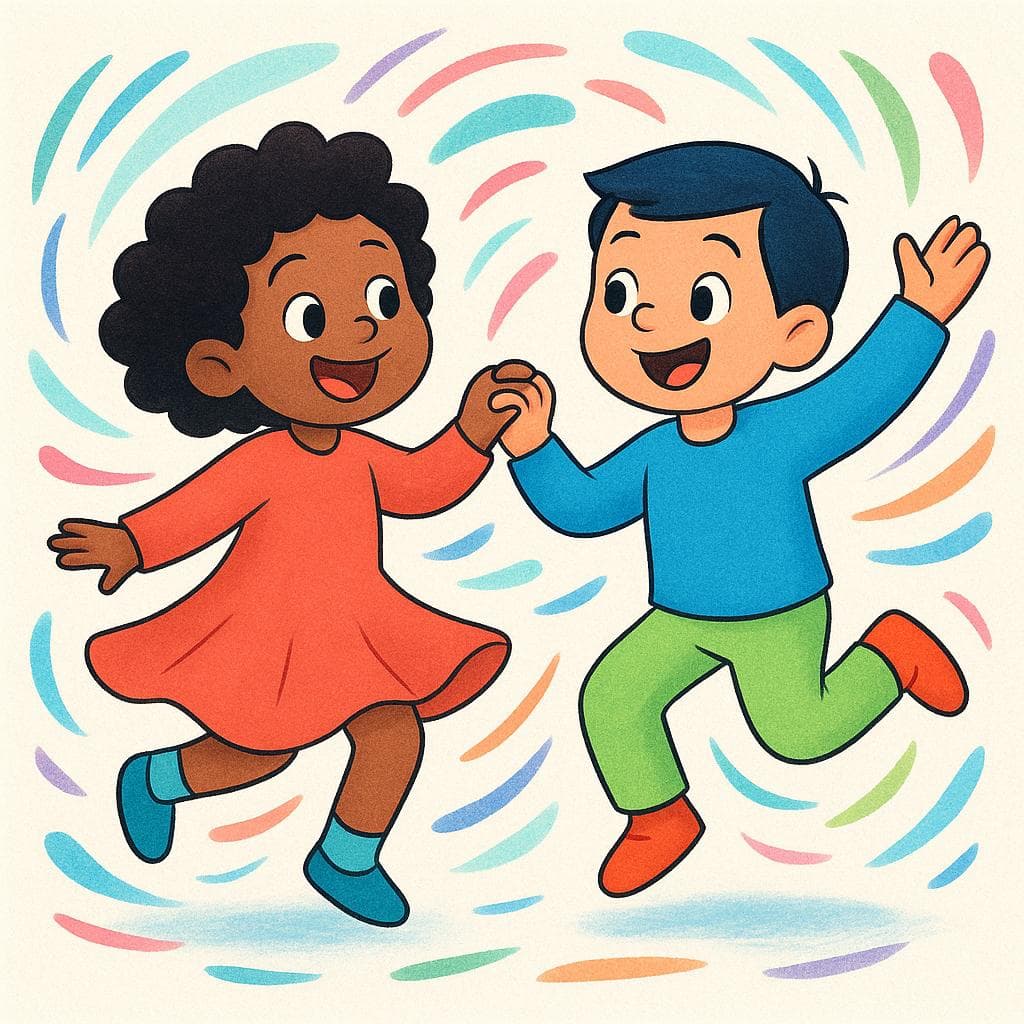
The most common Spanish word for “festive” is “festivo” — use 'festivo' when referring to something directly related to a party, holiday, or celebration, like clothing or decorations.


festivo
fes-TEE-bohfesˈtiβo

Examples
Llevaba un vestido muy festivo para la ocasión.
She was wearing a very festive dress for the occasion.
El ambiente en la plaza era alegre y festivo.
The atmosphere in the square was happy and festive.
Habló con un tono festivo durante todo el brindis.
He spoke with a cheerful tone throughout the toast.
Matching the Ending
Since this is an adjective, you must change the ending to -a if the thing you are describing is feminine. For example: 'una tarde festiva' (a festive afternoon).
Where to put it
This word usually comes after the noun it describes, like 'un día festivo' rather than 'un festivo día'.
Confusing 'festivo' and 'fiesta'
Mistake: “La noche era muy fiesta.”
Correction: La noche era muy festiva. Use 'festivo' to describe how something feels, and 'fiesta' for the event itself.
alegre
ah-LEH-grehaˈle.ɣɾe
Examples
Decoramos la sala con colores muy alegres para la fiesta.
We decorated the living room with very bright colors for the party.
La música de la banda era muy alegre y nos hizo bailar.
The band's music was very lively and made us dance.
Tiene un estilo de vestir muy alegre, lleno de estampados.
She has a very vibrant style of dressing, full of patterns.
Figurative Use
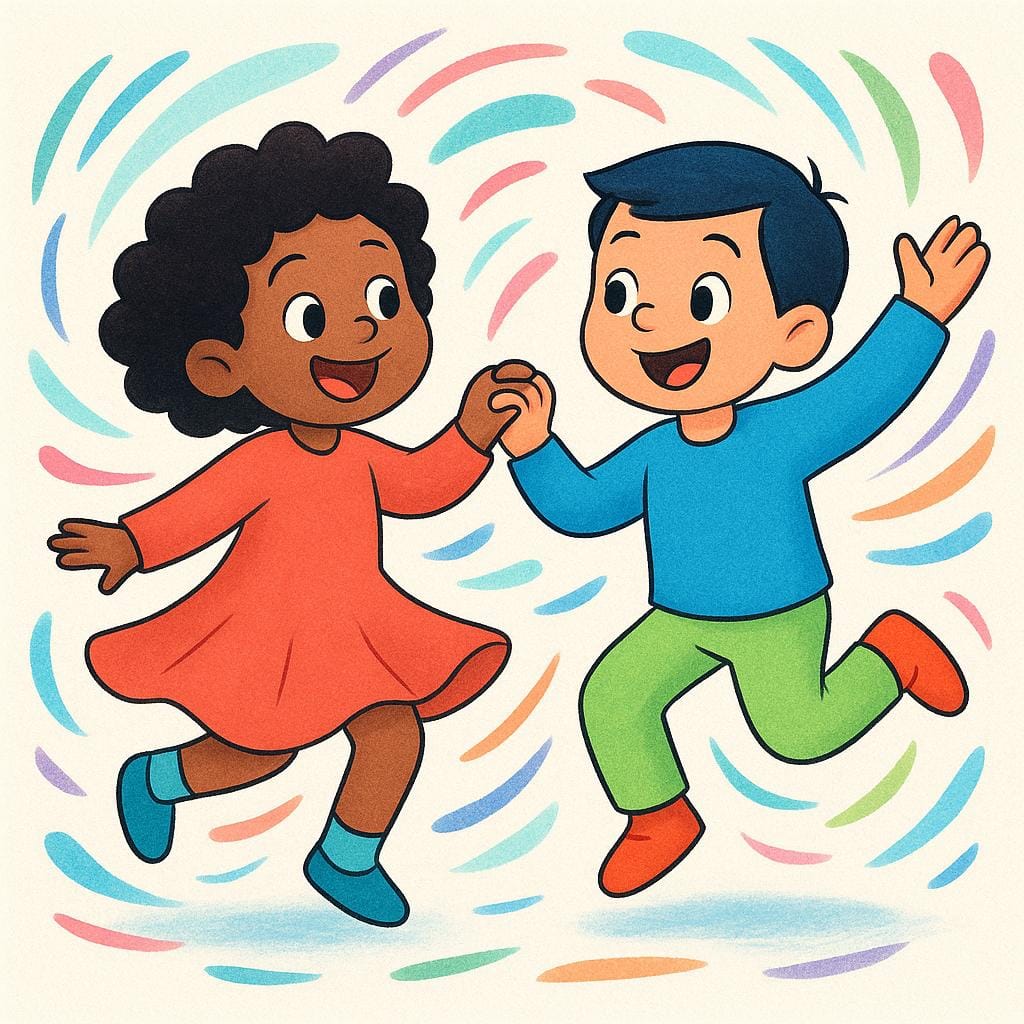
When describing things, 'alegre' means they cause cheerfulness or are full of life, like a color that lifts your mood or music that makes you want to dance.
tropical
tro-pee-KAHLtɾopiˈkal

Examples
La fiesta tiene un ambiente muy tropical.
The party has a very tropical vibe.
Me gusta bailar música tropical.
I like dancing to tropical music.
Él siempre usa camisas tropicales en verano.
He always wears tropical shirts in the summer.
Describing the Vibe
When you call music or a party 'tropical,' you are usually implying it's energetic, danceable, and fun.
Choosing Between 'Festivo' and 'Alegre'
Learn Spanish with Inklingo
Interactive stories, personalized learning, and more.