How to Say "forgets" in Spanish
The most common Spanish word for “forgets” is “olvida” — use 'olvida' when referring to the act of forgetting something from your memory, like a fact, a name, or a task.

olvida
ohl-VEE-daholˈβiða

Examples
Se me olvida comprar leche.
I forget to buy milk.
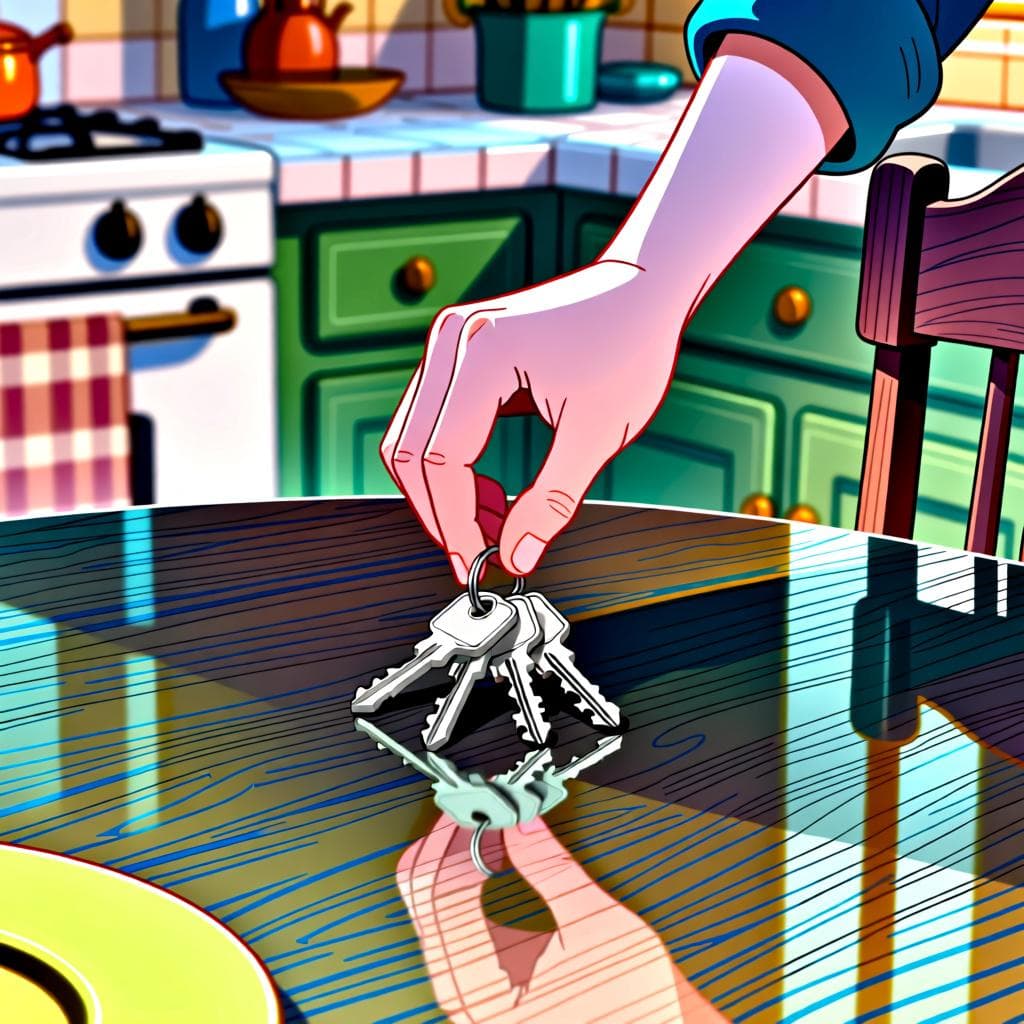
Ella olvida siempre dónde pone las llaves.
She always forgets where she puts the keys.
Usted olvida que tenemos una reunión mañana.
You (formal) forget that we have a meeting tomorrow.
The Regular AR Verb Pattern
This form follows the standard pattern for verbs ending in -ar. You drop the -ar and add -a for 'él', 'ella', or 'usted' in the present tense.
Using 'Se' Incorrectly
Mistake: “Él se olvida su nombre.”
Correction: Él olvida su nombre. (Using 'se olvidar' usually means 'to forget something by accident' or 'to forget oneself', but simple forgetting uses 'olvidar' without 'se'.)
deja
DEH-hahˈde.xa
Examples
Dejé las gafas en el coche.
I left my glasses in the car.
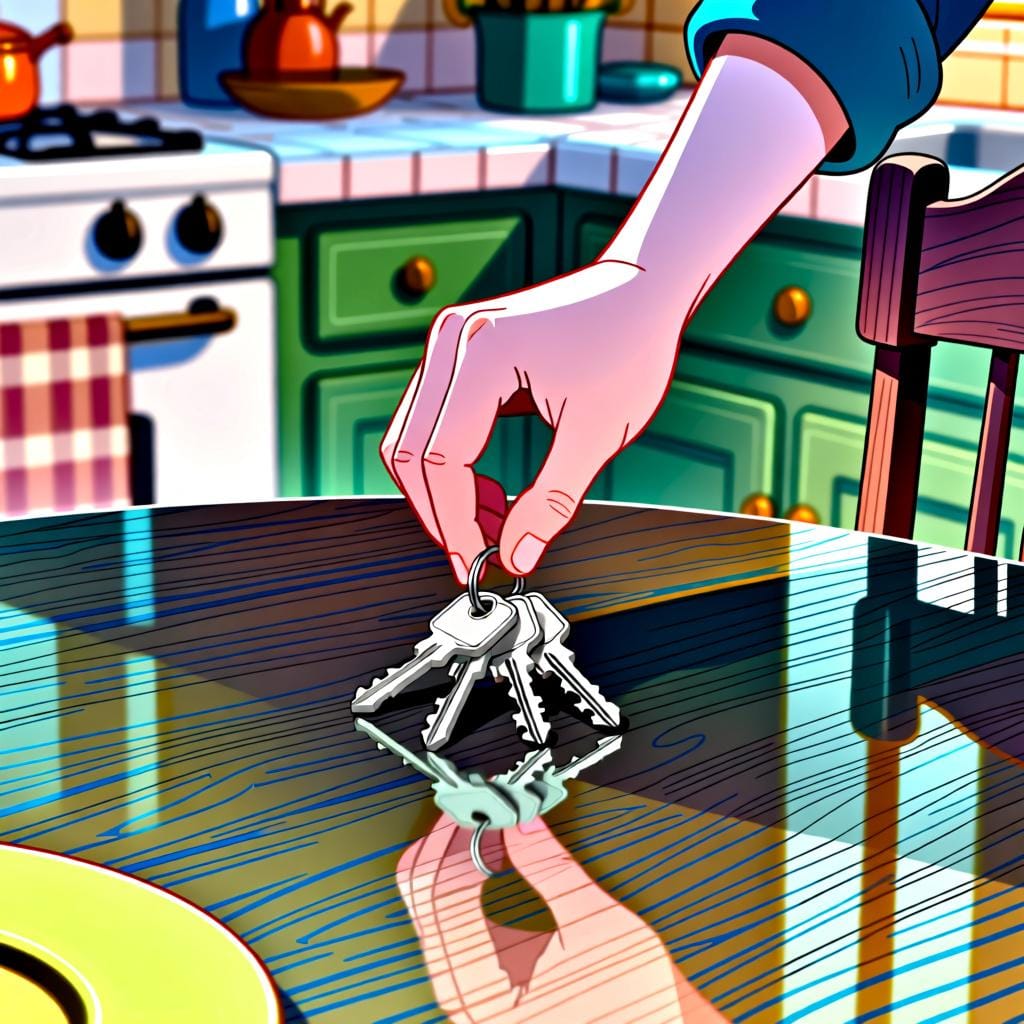
Ella siempre deja sus llaves en la mesa.
She always leaves her keys on the table.
Mi hermano deja la toalla mojada en la cama.
My brother leaves the wet towel on the bed.
¿Usted deja un mensaje después del tono?
Do you (formal) leave a message after the tone?
What 'deja' is
'Deja' is a form of the verb 'dejar'. It's used for 'he', 'she', 'it', or the formal 'you' (usted). For example, 'El cartero deja el correo' means 'The mailman leaves the mail.'
'Dejar' vs. 'Salir'
Mistake: “Using 'deja' for a person leaving a place. For example: *'Él deja la casa a las 8.'*”
Correction: Use 'sale' for people leaving: 'Él sale de la casa a las 8.' Use 'deja' for leaving *objects* behind: 'Él deja su mochila en casa.'
Forgetting vs. Leaving Behind
Learn Spanish with Inklingo
Interactive stories, personalized learning, and more.