How to Say "puts" in Spanish
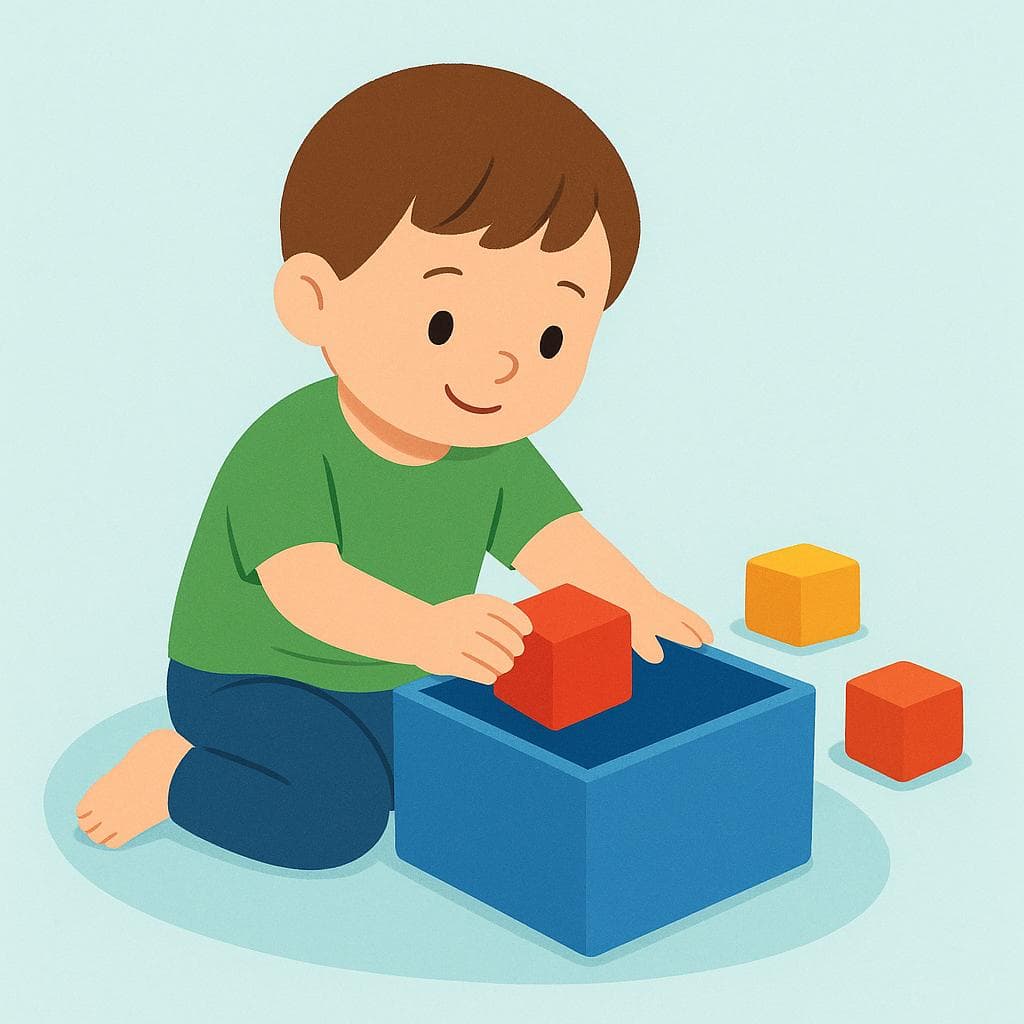
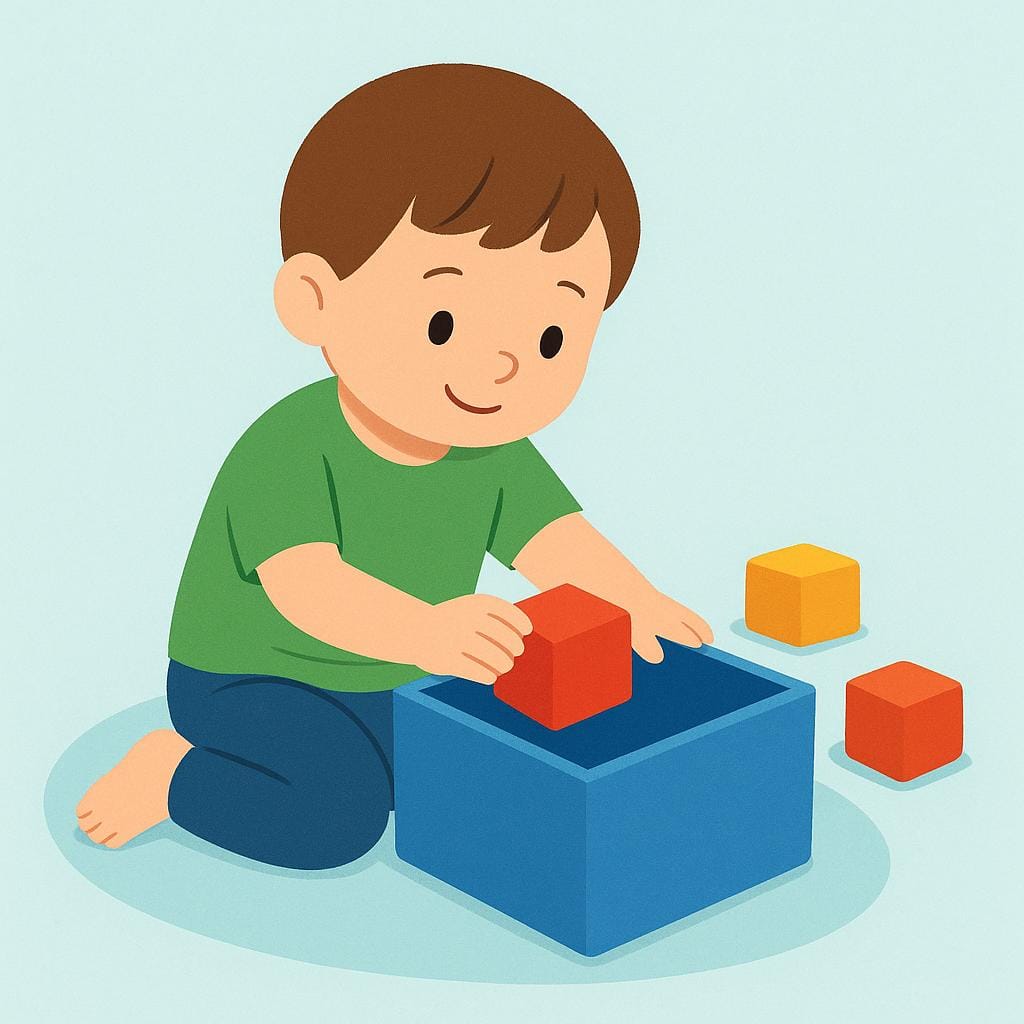
The most common Spanish word for “puts” is “mete” — use 'mete' when the action involves putting something *inside* another object or place, like a pocket, a drawer, or a box.

mete
MEH-tehˈme.te
Examples
Ella siempre mete el dinero en el bolsillo.
She always puts the money in her pocket.
¡Mete la basura en el contenedor!
Put the trash in the container!
Usted mete mucha presión en el equipo.
You (formal) put a lot of pressure on the team.
Dual Use of 'Mete'
'Mete' can be a statement (He/She/You formal puts) or a friendly, informal command (You, put!). Listen carefully to the tone and context to know which one it is.
Meter vs. Poner
Use 'meter' when something goes inside something else (like a box or a pocket). Use 'poner' for placing something on a surface (like a table).
Confusing 'Mete' and 'Pone'
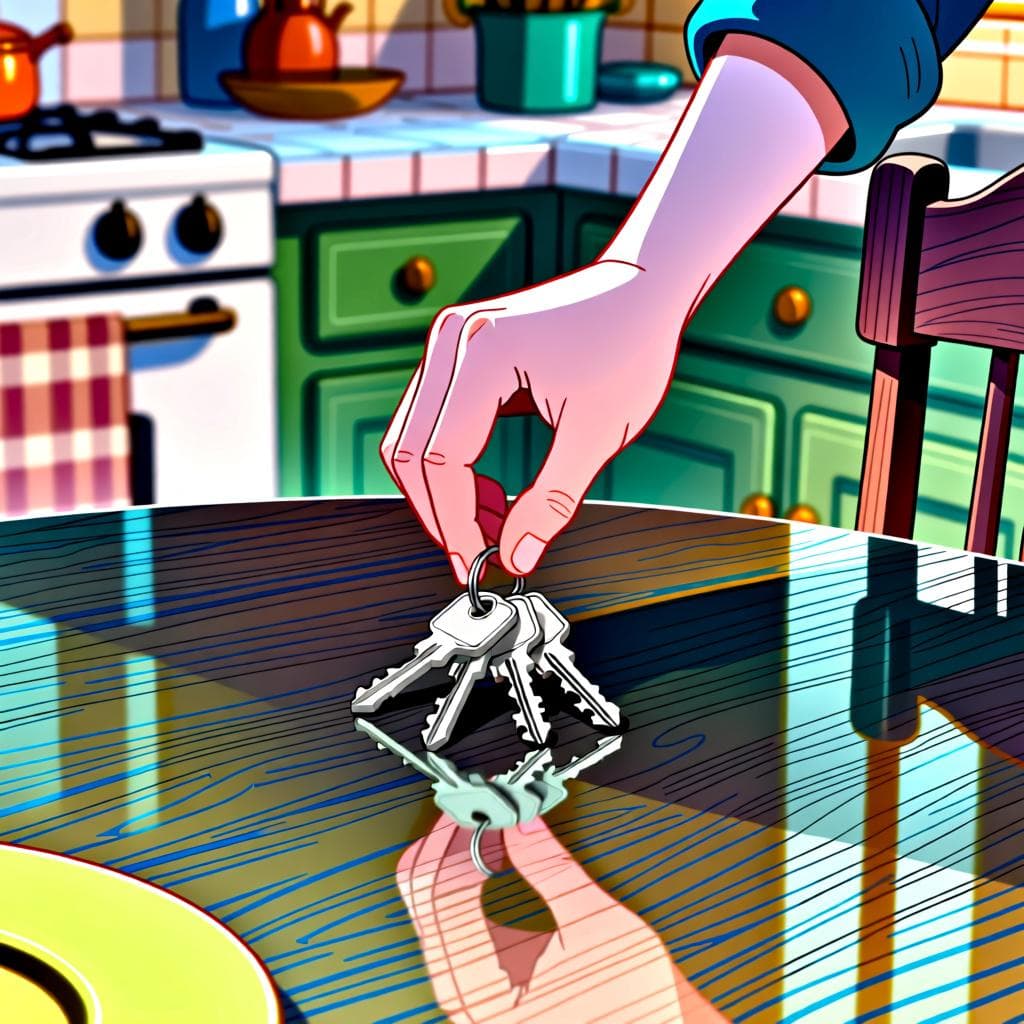
Mistake: “Pone la llave en la cerradura. (Incorrect, unless you mean placing the key *on* the lock surface)”
Correction: Mete la llave en la cerradura. (Correct, because the key goes *inside* the lock hole.)
deja
DEH-hahˈde.xa
Examples
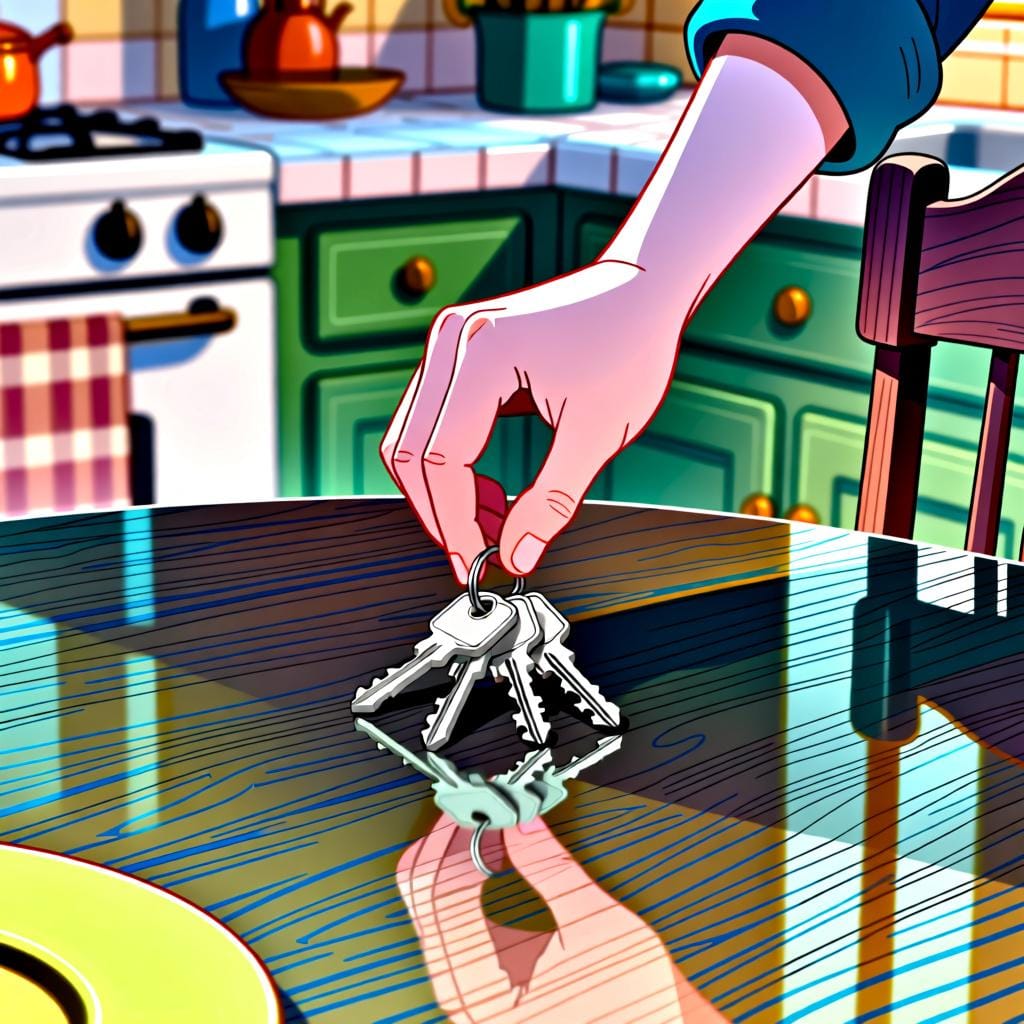
Ella siempre deja sus llaves en la mesa.
She always leaves her keys on the table.
Mi hermano deja la toalla mojada en la cama.
My brother leaves the wet towel on the bed.
¿Usted deja un mensaje después del tono?
Do you (formal) leave a message after the tone?
What 'deja' is
'Deja' is a form of the verb 'dejar'. It's used for 'he', 'she', 'it', or the formal 'you' (usted). For example, 'El cartero deja el correo' means 'The mailman leaves the mail.'
'Dejar' vs. 'Salir'
Mistake: “Using 'deja' for a person leaving a place. For example: *'Él deja la casa a las 8.'*”
Correction: Use 'sale' for people leaving: 'Él sale de la casa a las 8.' Use 'deja' for leaving *objects* behind: 'Él deja su mochila en casa.'
coloca
ko-LO-kahkoˈloka

Examples
Ella coloca las flores en el jarrón.
She places the flowers in the vase.
Él coloca los libros por orden alfabético.
He puts the books in alphabetical order.
Two Uses for One Word
'Coloca' can be a statement ('he places') or a command to a friend ('Place!'). Context tells you which one it is.
The 'c' to 'qu' Change
While the form 'coloca' is regular, the base verb changes its spelling to 'qu' (like in 'coloqué') when followed by an 'e' to keep the hard 'K' sound.
Using 'pone' vs 'coloca'
Mistake: “Using 'pone' for everything.”
Correction: Use 'coloca' when you want to sound more precise about the location or when things are being organized neatly.
echa
EH-chahˈe.tʃa
Examples
Ella siempre echa azúcar al café.
She always adds sugar to her coffee.
El camarero echa agua en mi vaso.
The waiter pours water into my glass.
Usted echa la llave en la mesa antes de salir.
You (formal) put the key on the table before leaving.
Form and Use
This form, 'echa,' is what 'he, she, or it' does right now (present tense). It is also the informal command for 'you' (tú): 'Echa la sal' (Add the salt!).
Inside vs. Setting Down
Learn Spanish with Inklingo
Interactive stories, personalized learning, and more.