echa
“echa” means “puts” in Spanish. It has 4 different meanings depending on context:
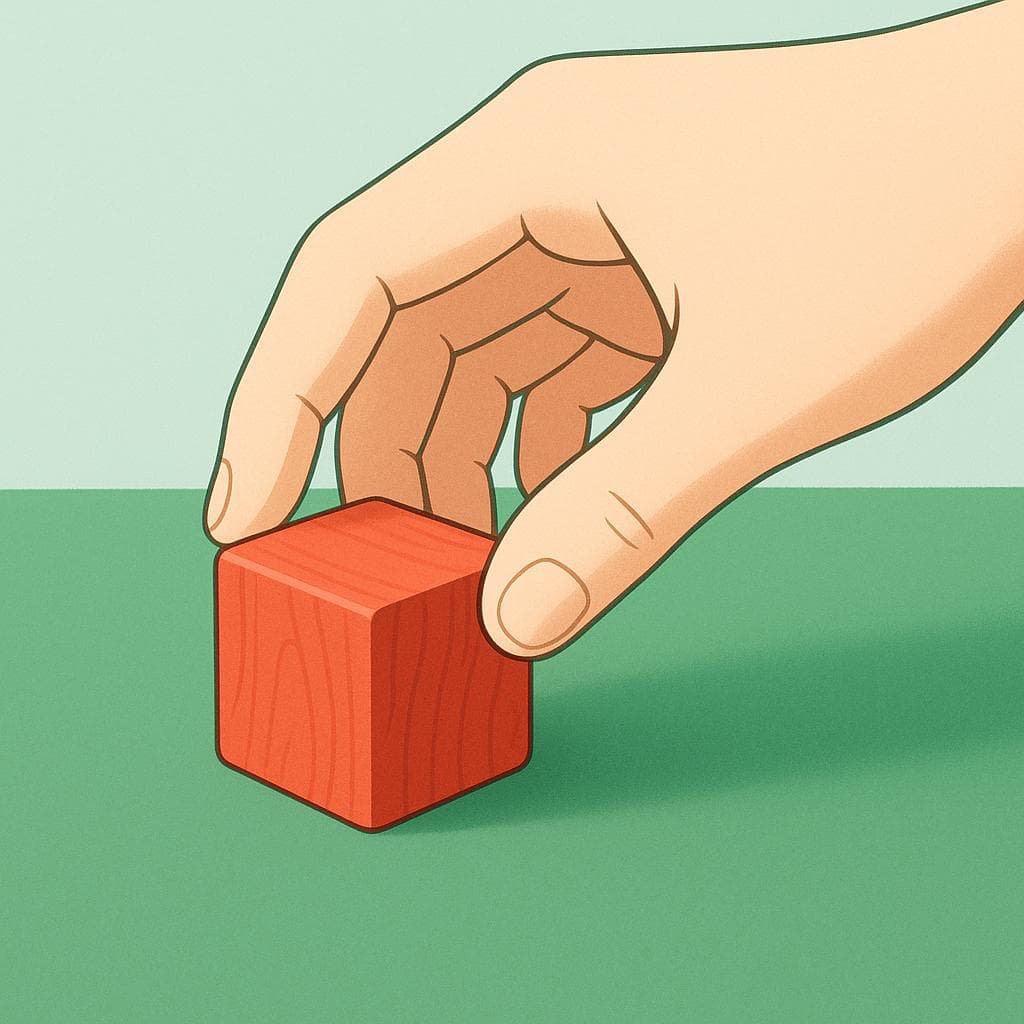



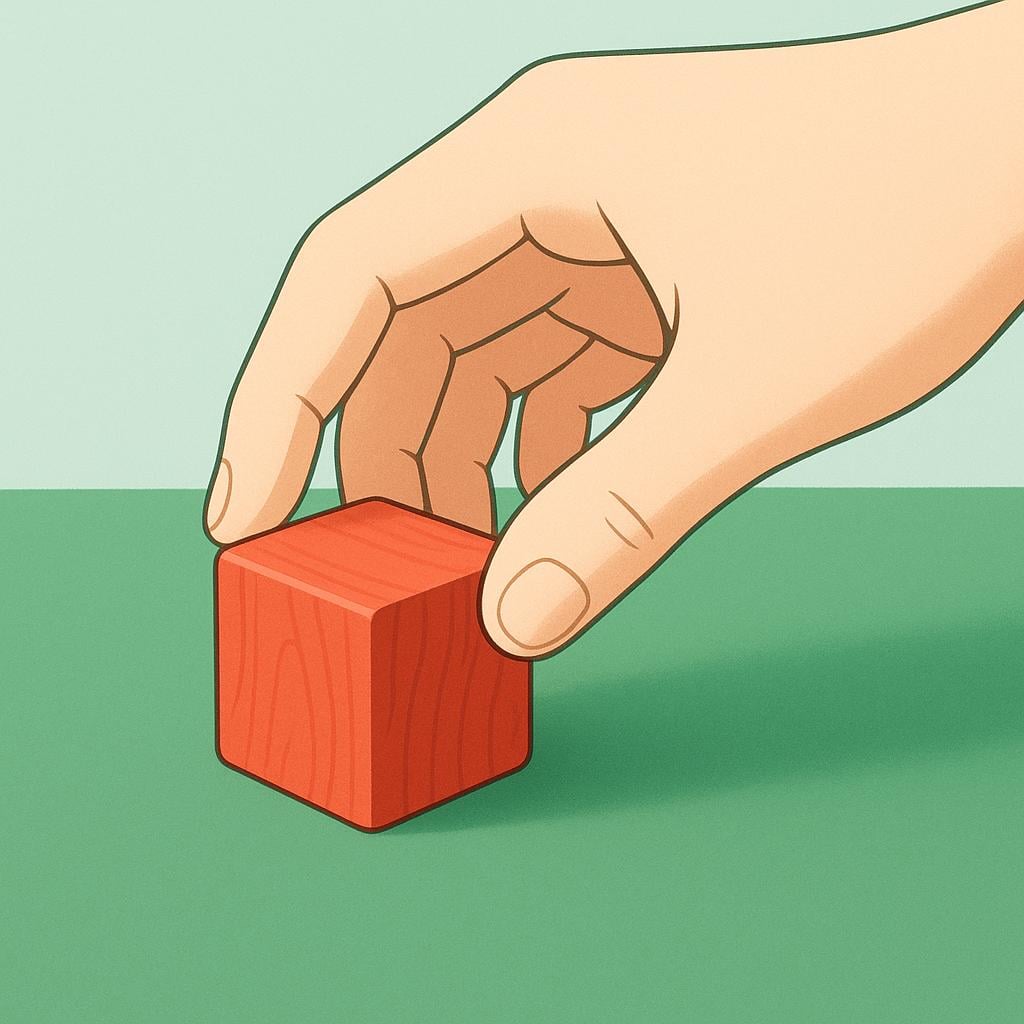
puts, addsAlso: pours
📝 In Action
Ella siempre echa azúcar al café.
A1She always adds sugar to her coffee.
El camarero echa agua en mi vaso.
A2The waiter pours water into my glass.
Usted echa la llave en la mesa antes de salir.
A2You (formal) put the key on the table before leaving.
Word Connections
throwsAlso: hurls, casts

📝 In Action
El pescador echa la red al mar.
B1The fisherman casts the net into the sea.
Ella echa una piedra al río.
A2She throws a stone into the river.
Word Connections
fires, kicks outAlso: expels

📝 In Action
El dueño echa al inquilino por no pagar.
B1The owner kicks out the tenant for not paying.
Si no trabaja bien, la jefa lo echa.
B2If he doesn't work well, the boss fires him.
Word Connections
misses

📝 In Action
Ella echa de menos a su familia cuando viaja.
A2She misses her family when she travels.
Mi perro echa de menos la playa.
B1My dog misses the beach.
¿Tú echa de menos a tu ex?
A2Do you (formal) miss your ex?
Word Connections
Indicative
Present
Imperfect
Preterite
Subjunctive
Present Subjunctive
Imperfect Subjunctive
Translate to Spanish
✏️ Quick Practice
Quick Quiz: echa
Question 1 of 2
Which sentence uses 'echa' to give an informal command?
📚 More Resources
👥 Word Family
🎵 Rhymes
📚 Etymology
The word comes from the Latin verb *iactare*, meaning 'to throw, cast, or toss repeatedly.' Over time, the hard 'j' sound softened and the verb took on many new meanings related to placing or expelling things.
First recorded: 10th century
Cognates (Related words)
💡 Master Spanish
Take your Spanish to the next level. Read 200+ illustrated and narrated Spanish stories tailored to your level with the Inklingo app!
Frequently Asked Questions
How do I know if 'echa' means 'throws' or 'adds'?
You need to look at the surrounding words. If 'echa' is followed by an ingredient (sal, azúcar), it means 'adds.' If it's followed by a physical object and a direction (la pelota al jardín), it means 'throws.' Context is everything with this verb!
Is 'echa' related to the word 'hecho' (done/fact)?
No, they are completely different words. 'Echa' comes from the verb *echar* (to throw). 'Hecho' comes from the verb *hacer* (to do/make). They sound similar but are unrelated and have different meanings.