How to Say "fires" in Spanish
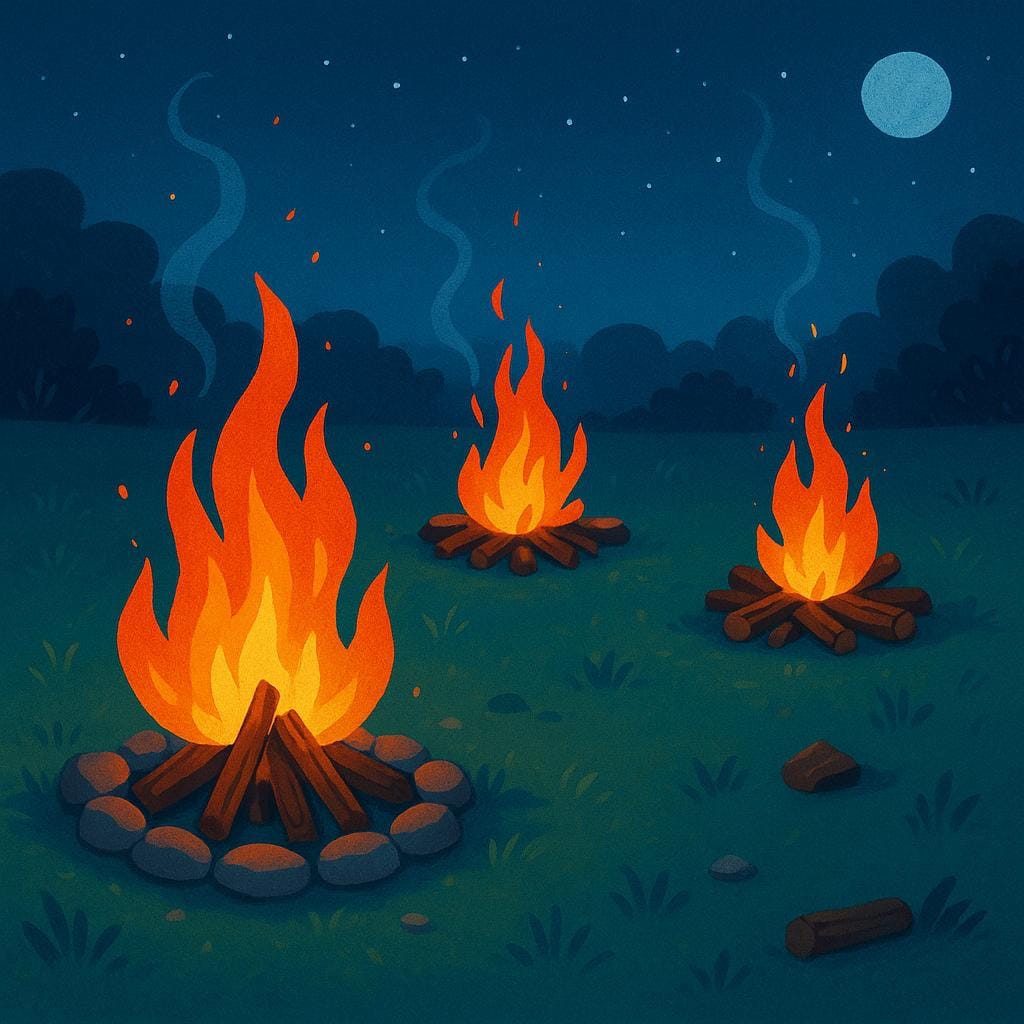
The most common Spanish word for “fires” is “fuegos” — use 'fuegos' when referring to multiple instances of burning, like several separate fires in different locations.
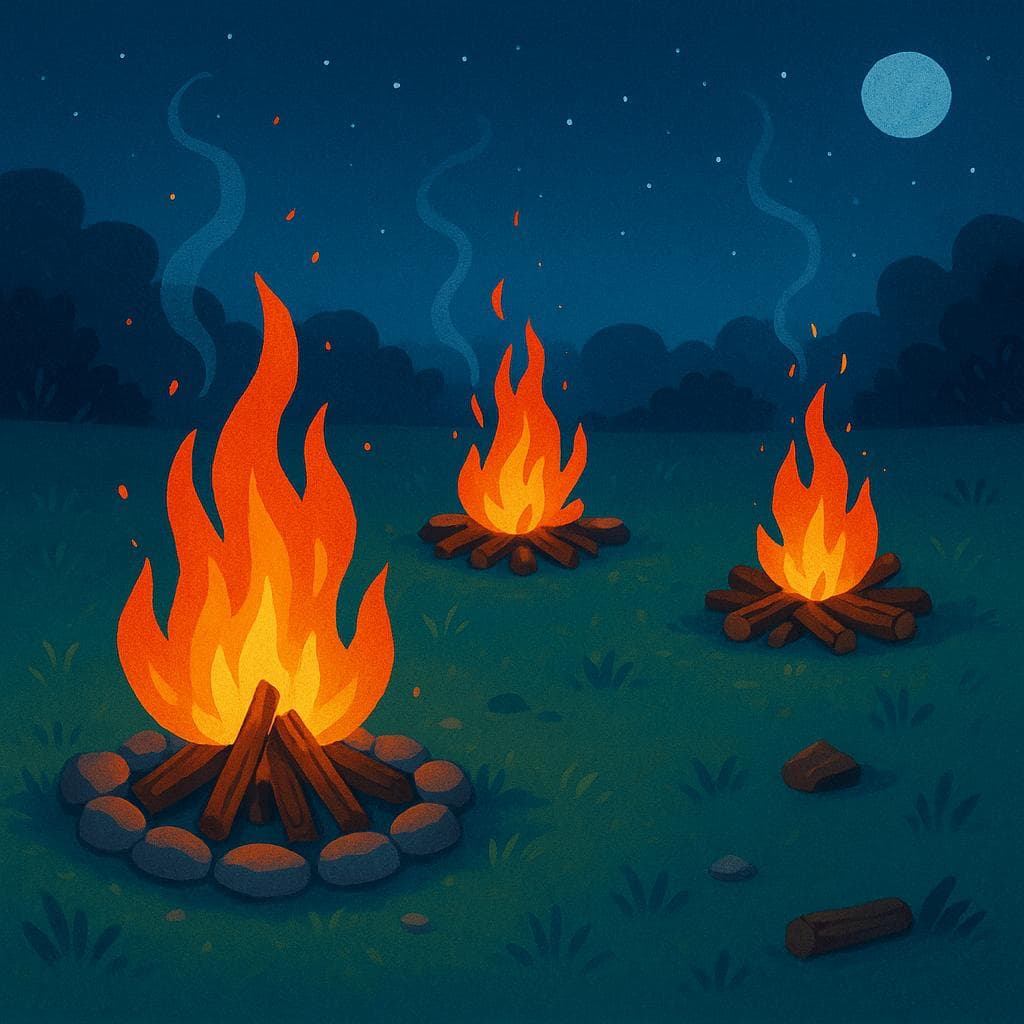


fuegos
FWAY-gosˈfwe.ɣos
Examples
Los bomberos lucharon contra varios fuegos en el edificio.
The firefighters fought against several fires in the building.
Vimos los fuegos de la hoguera desde lejos.
We saw the flames of the bonfire from afar.
Counting Fires
This meaning is the simple plural of 'fuego.' Use it when you are referring to more than one distinct fire or multiple sources of flames.
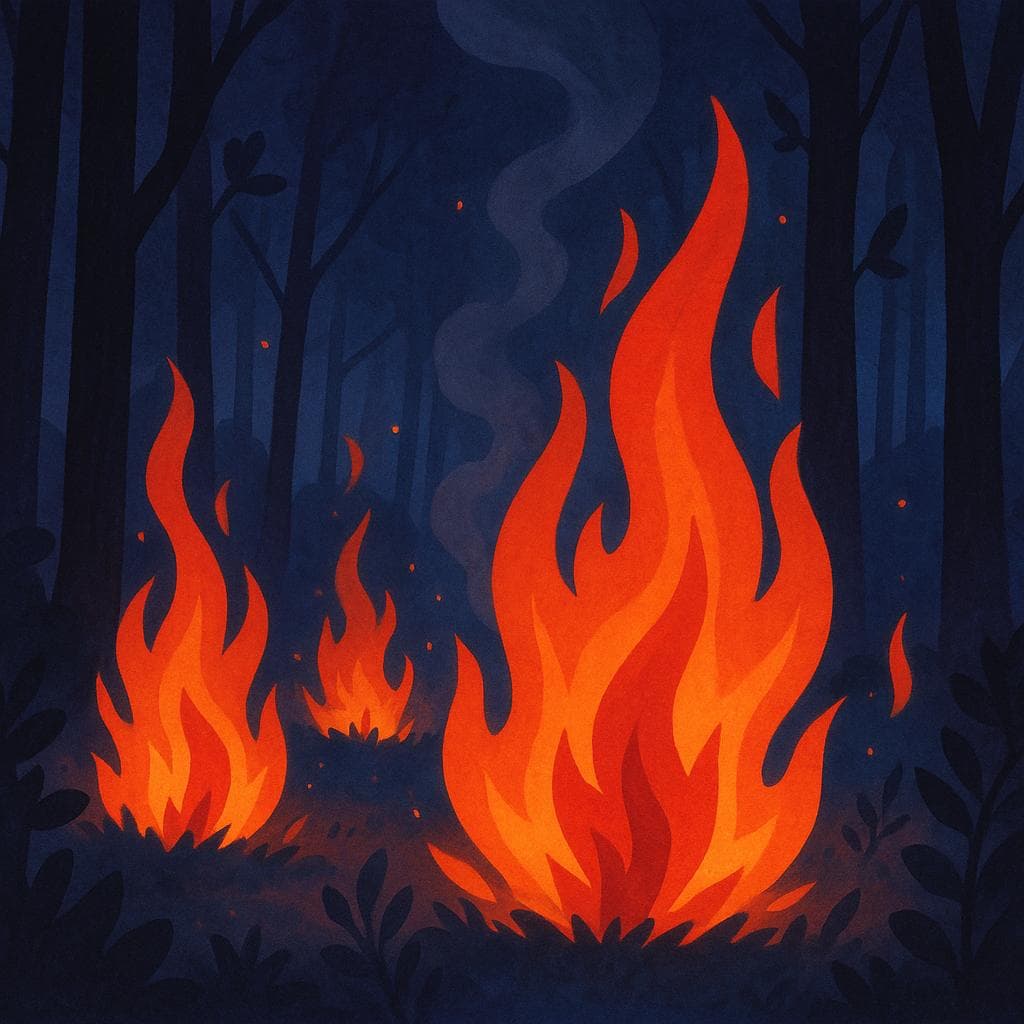
incendios
in-SEN-dee-osinˈsen.djos
Examples
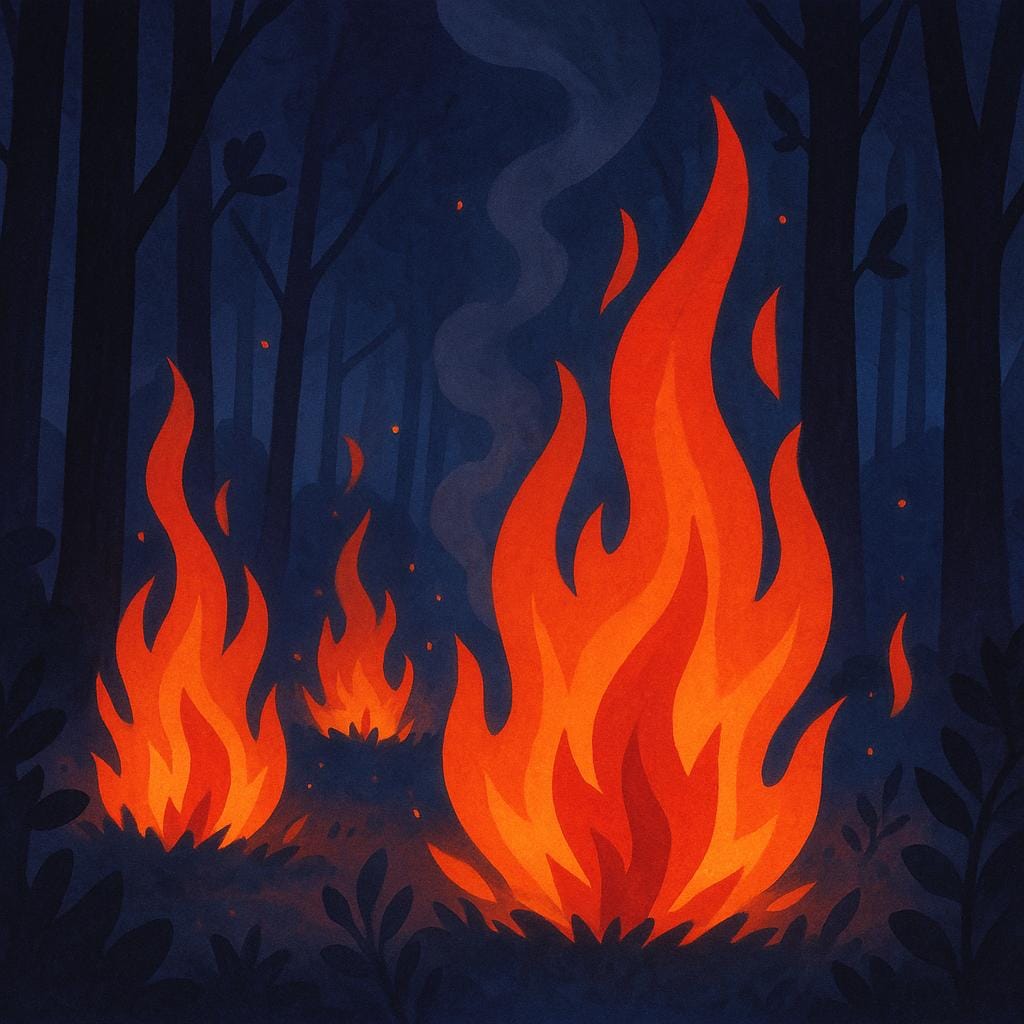
Los incendios forestales han destruido miles de hectáreas este verano.
The wildfires have destroyed thousands of hectares this summer.
La policía investiga la causa de los incendios en el edificio.
The police are investigating the cause of the fires in the building.
Los bomberos luchan contra tres incendios simultáneos.
The firefighters are fighting three simultaneous fires.
Gender and Plural
This word is the plural of 'incendio' (a masculine noun), so it always takes masculine plural articles and adjectives: 'los incendios grandes' (the big fires).
Using 'Fuegos'
Mistake: “Using 'fuegos' when talking about a disaster, e.g., 'Muchos fuegos en el bosque.'”
Correction: Use 'incendios' for large, destructive, or accidental blazes. 'Fuego' usually means a controlled fire (like a campfire) or the general element/concept.
dispara
dees-PAH-rahdisˈpaɾa

Examples
El policía dispara al aire para asustar a los ladrones.
The police officer fires into the air to scare the thieves.
¡Dispara! ¡No te quedes esperando!
Shoot! Don't just stand there waiting!
Ella dispara la pelota con mucha fuerza.
She shoots the ball with great force.
Present Tense Action
In this form, 'dispara' means 'he/she/it shoots' or 'you (formal) shoot.' It describes an action happening now or a habitual action.
Informal Command
When used as a command to a friend ('tú'), '¡Dispara!' means 'Shoot!' or 'Fire!'. This is the exact same form as the 'él/ella' present tense.
echa
EH-chahˈe.tʃa

Examples
El dueño echa al inquilino por no pagar.
The owner kicks out the tenant for not paying.
Si no trabaja bien, la jefa lo echa.
If he doesn't work well, the boss fires him.
Using 'Echar' for Removal
When 'echar' means to fire or kick someone out, it nearly always requires the preposition 'a' before the person being removed: 'echa a la gente'.
Nouns vs. Verbs: Fires vs. Firing
Related Translations
Learn Spanish with Inklingo
Interactive stories, personalized learning, and more.