dispara
“dispara” means “fires” in Spanish. It has 3 different meanings depending on context:
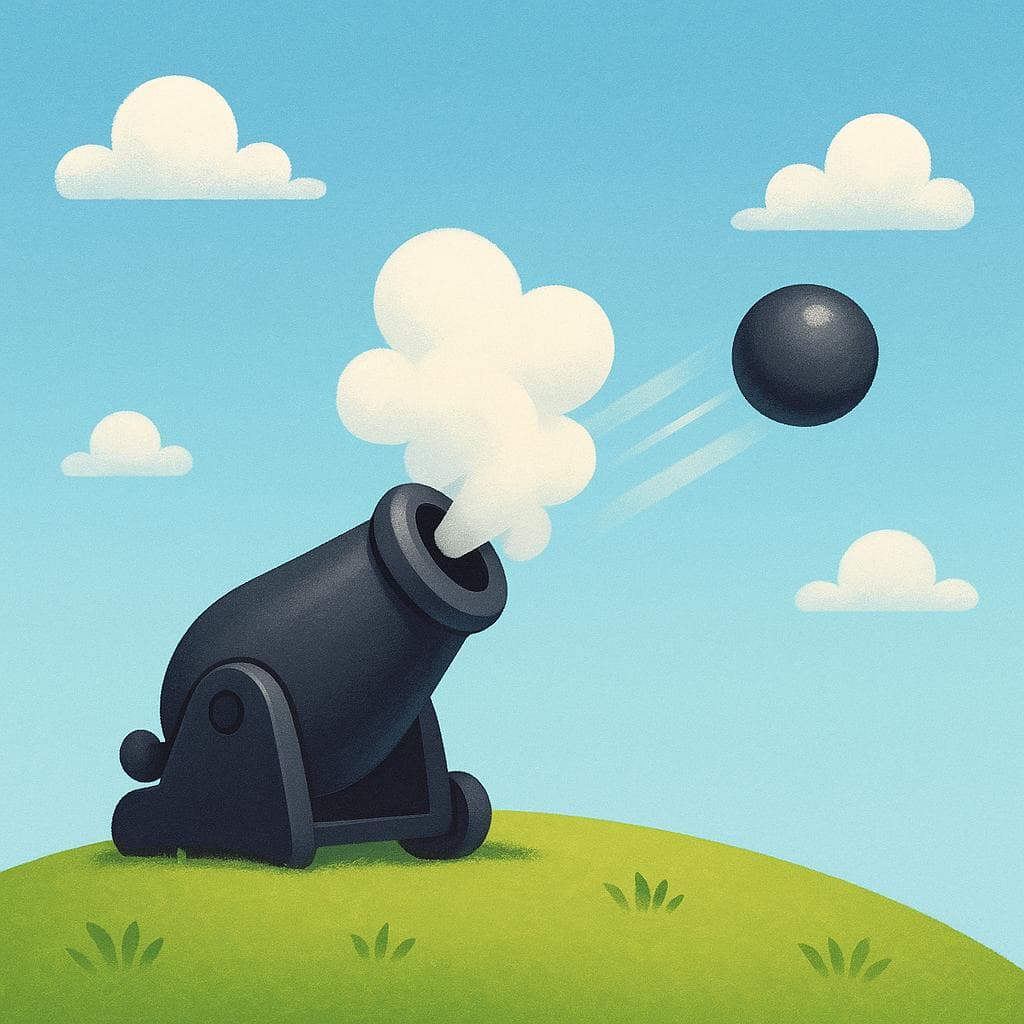


fires, shoots
Also: shoot!, is firing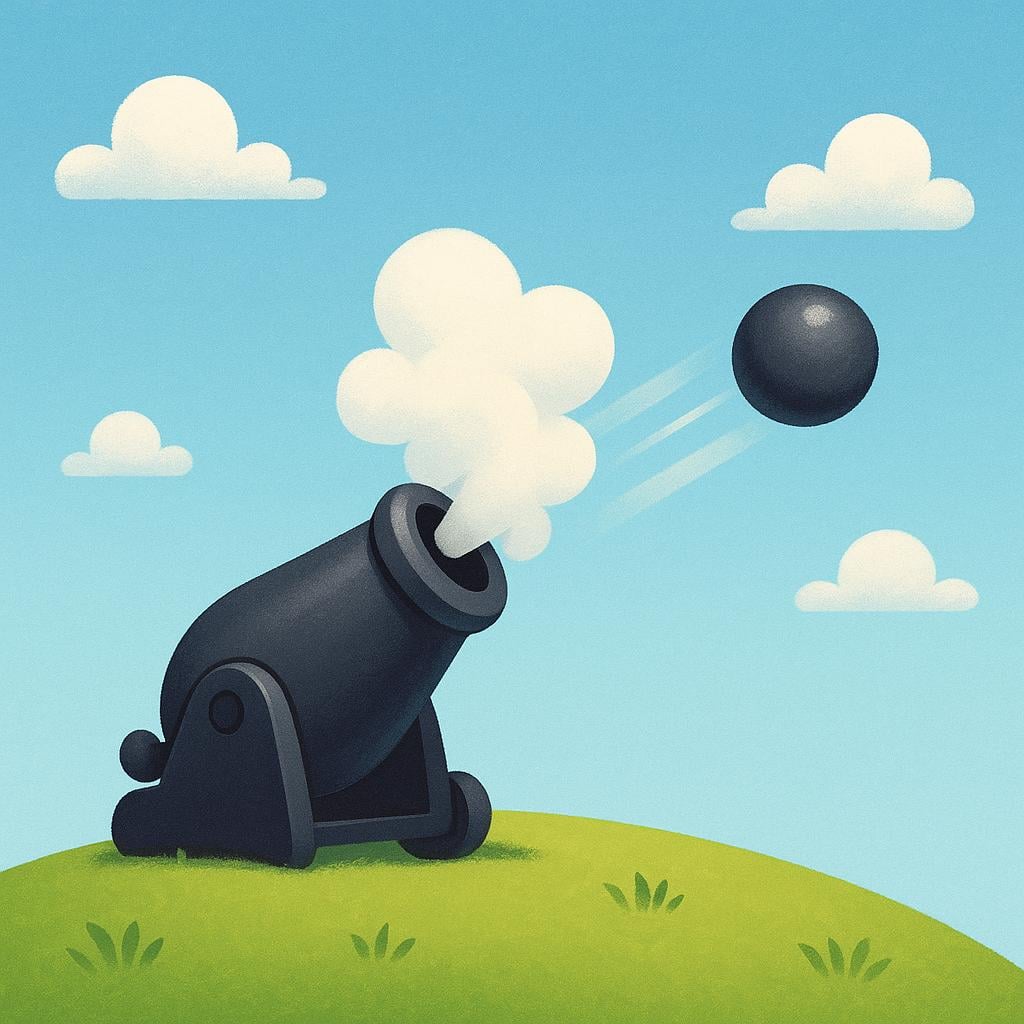
📝 In Action
El policía dispara al aire para asustar a los ladrones.
A2The police officer fires into the air to scare the thieves.
¡Dispara! ¡No te quedes esperando!
B1Shoot! Don't just stand there waiting!
Ella dispara la pelota con mucha fuerza.
A2She shoots the ball with great force.
triggers, sets off
Also: provokes
📝 In Action
La caída de tensión dispara la alarma de seguridad.
B1The voltage drop triggers the security alarm.
Ese recuerdo le dispara una gran tristeza.
B2That memory triggers deep sadness in him.
El sensor dispara la cámara cuando detecta movimiento.
B1The sensor activates the camera when it detects movement.
skyrockets, spikes
Also: soars
📝 In Action
La escasez de alimentos dispara los precios en el mercado.
B2The scarcity of food skyrockets prices in the market.
La nueva tecnología dispara la productividad de la empresa.
C1The new technology dramatically increases the company's productivity.
Indicative
Present
Imperfect
Preterite
Subjunctive
Present Subjunctive
Imperfect Subjunctive
Translate to Spanish
Words that translate to "dispara" in Spanish:
fires→is firing→provokes→sets off→shoots→skyrockets→soars→spikes→✏️ Quick Practice
Quick Quiz: dispara
Question 1 of 2
Which English phrase best translates 'La noticia dispara muchas preguntas'?
📚 More Resources
👥 Word Family▼
📚 Etymology▼
The verb 'disparar' comes from the Latin prefix 'dis-' (meaning separation or reversal) and the verb 'parare' (to prepare or arrange). The original meaning evolved from 'to un-prepare' or 'to un-arrange' to mean 'to throw off course' or 'to launch suddenly.'
First recorded: 15th century
Cognates (Related words)
💡 Master Spanish
Take your Spanish to the next level. Read 200+ illustrated and narrated Spanish stories tailored to your level with the Inklingo app!
Frequently Asked Questions
How do I know if 'dispara' is a command or a statement?
You can usually tell by the context and punctuation. If it's a statement, it will have a subject (like 'él' or 'la demanda'): 'El hombre dispara.' If it's a command, it often stands alone and may have exclamation marks: '¡Dispara!'
Is 'disparar' only used for guns?
No. While it's most literally used for guns, it's very common for triggering sensors, cameras, alarms, or for describing sudden, forceful increases in prices or reactions.