How to Say "gate" in Spanish
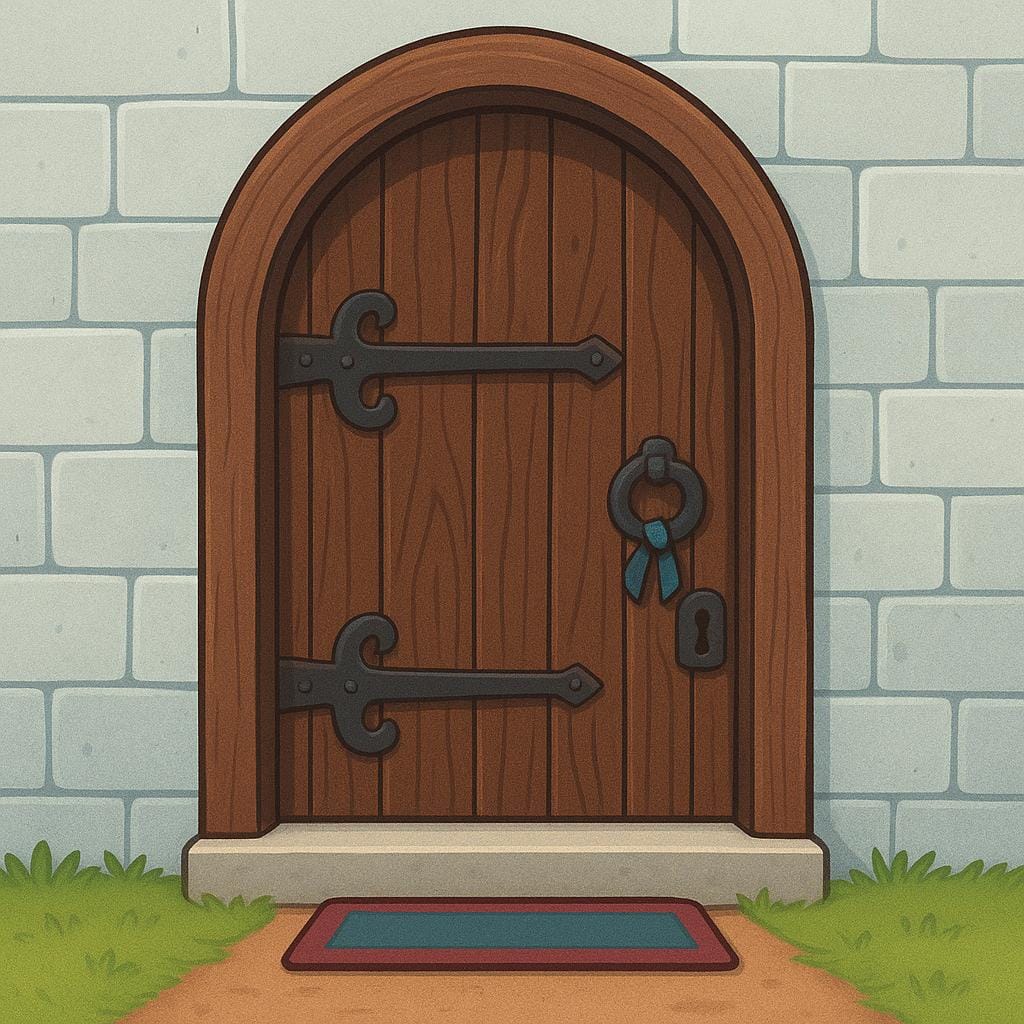
The most common Spanish word for “gate” is “puerta” — use 'puerta' for a general entrance, like a door to a room, a garden gate, or an entrance to a walled city.
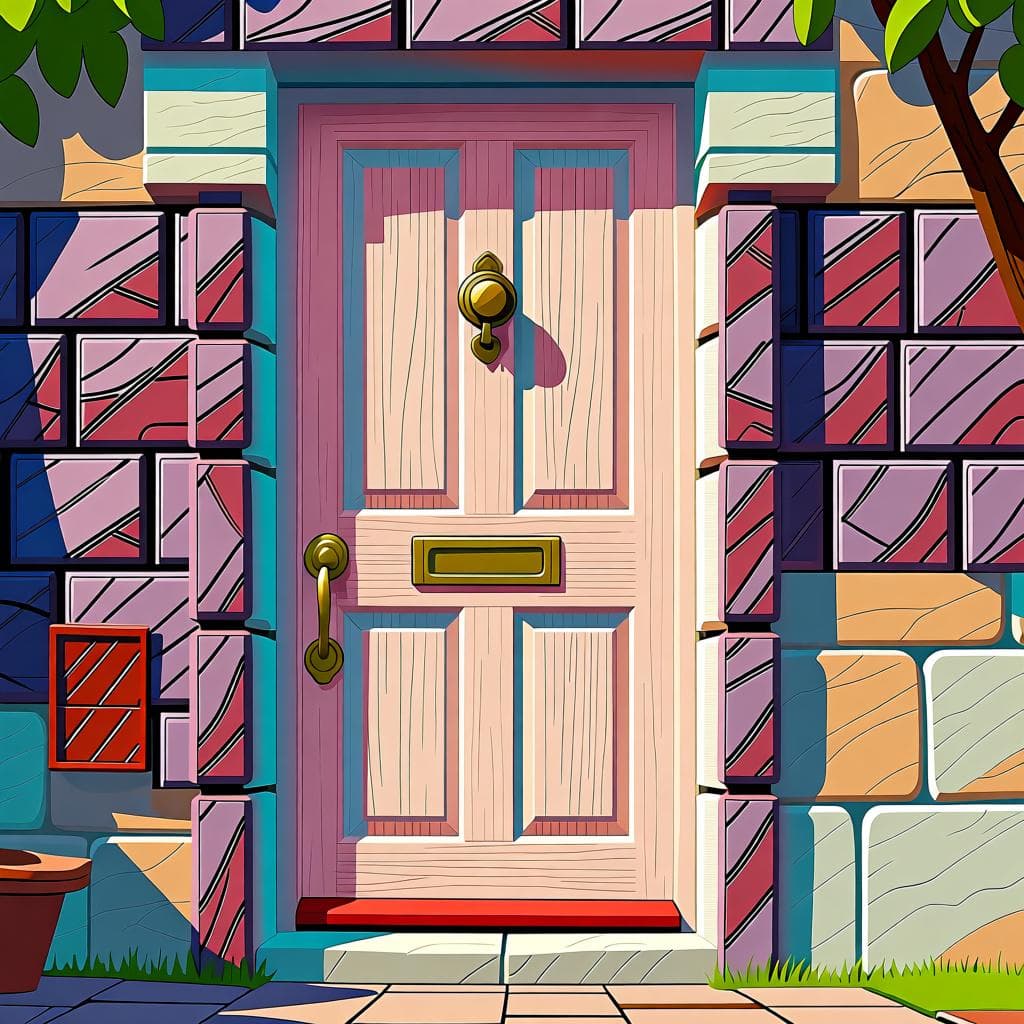
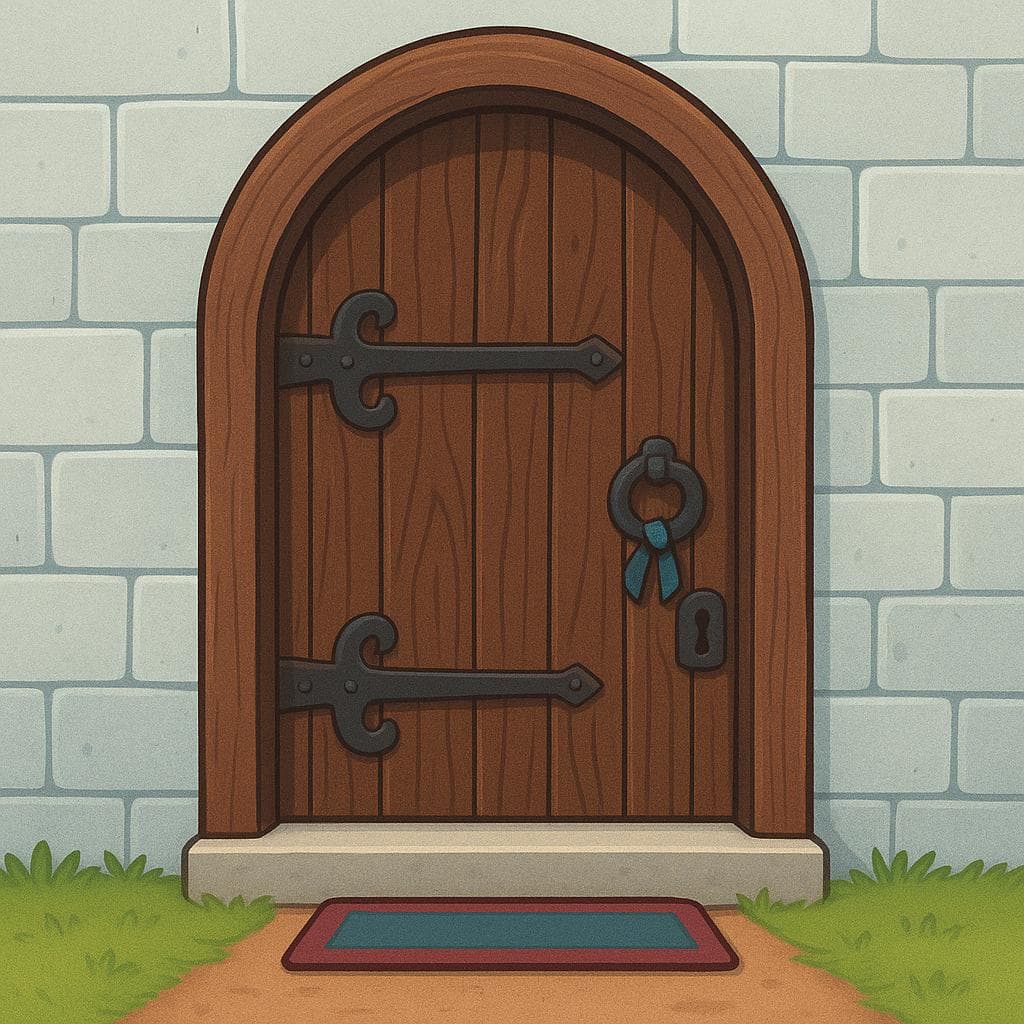
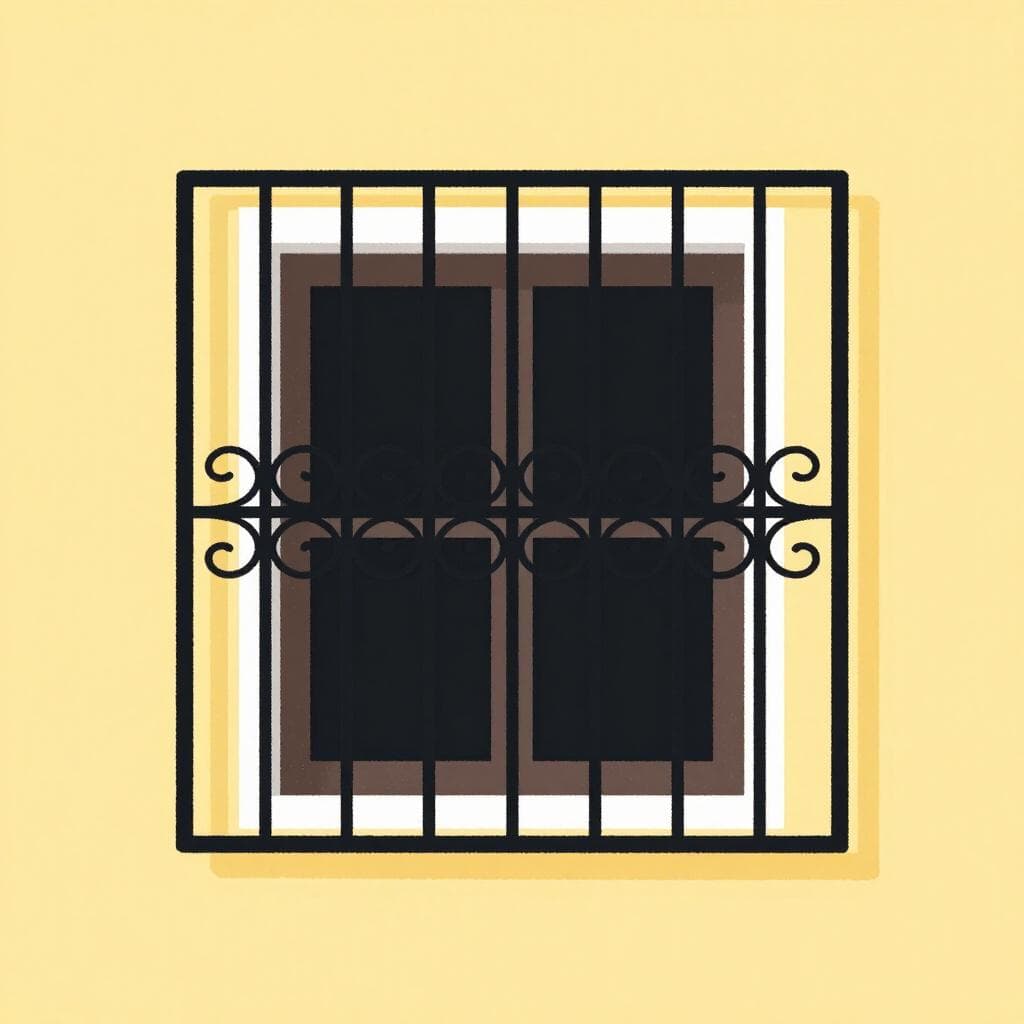
puerta
PWER-tah'pweɾ.ta
Examples
Cierra la puerta del jardín, por favor.
Close the garden gate, please.
Cierra la puerta, por favor.
Close the door, please.
Mi coche tiene cinco puertas.
My car has five doors.
Alguien está llamando a la puerta.
Someone is knocking on the door.
Always Feminine
Like most Spanish nouns ending in '-a', 'puerta' is a feminine word. This means you always use 'la' (the) or 'una' (a) with it. For example, 'la puerta roja' (the red door).
Using the wrong 'the'
Mistake: “El puerta está abierto.”
Correction: La puerta está abierta. Remember that 'puerta' is feminine, so it needs the feminine word 'la' for 'the'.
portón
Examples
El portón del garaje es automático.
The garage gate is automatic.
portal
poor-TAHLpoɾˈtal
Examples
El portal de la iglesia estaba decorado con flores.
The main entrance of the church was decorated with flowers.
Esperamos en el portal hasta que llegó la vecina.
We waited in the lobby until the neighbor arrived.
Es un portal antiguo con mucha historia.
It is an old doorway with a lot of history.
Masculine Noun Rule
Even though many Spanish words ending in -al are adjectives (like 'normal'), 'portal' is a masculine noun, so you always use 'el' (el portal).
reja
RE-hahˈrexa
Examples
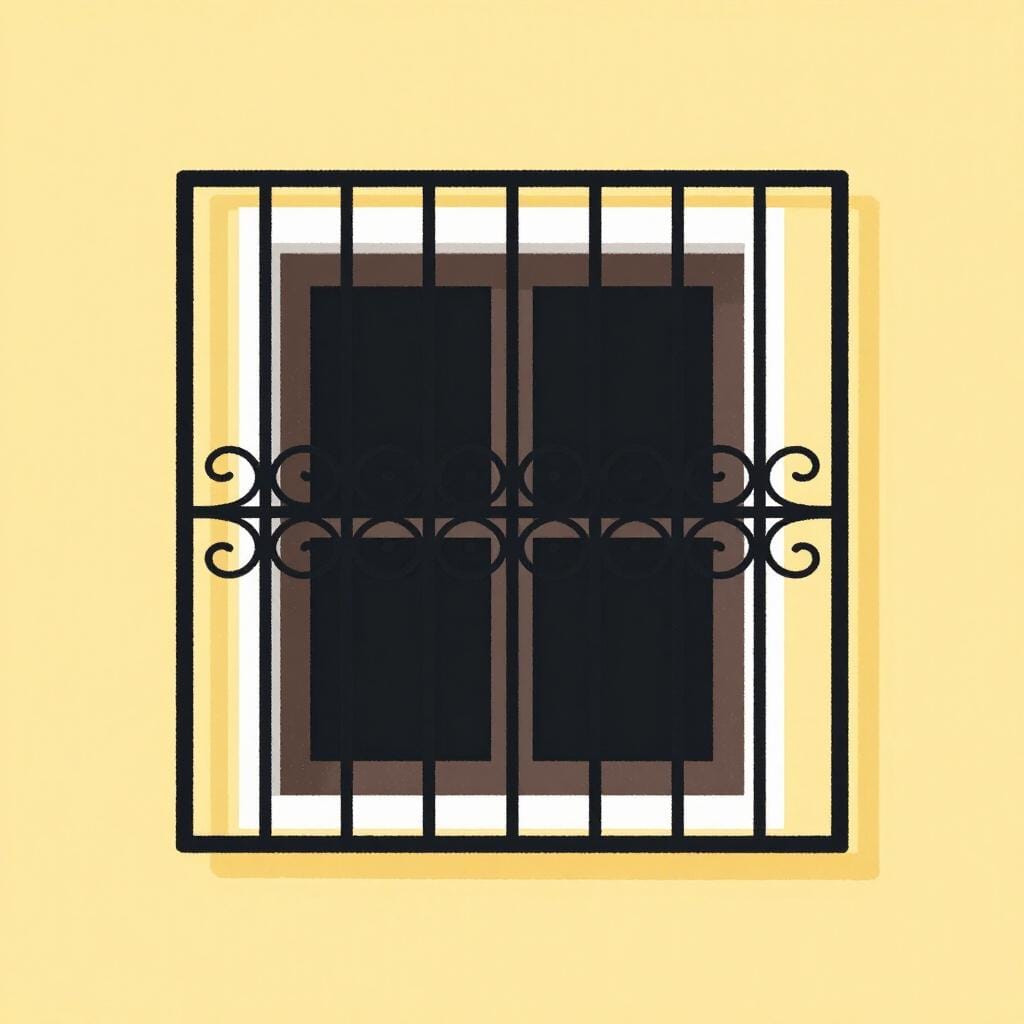
Mi abuela puso rejas en las ventanas por seguridad.
My grandmother put grilles on the windows for security.
El jardín está protegido por una reja de hierro muy antigua.
The garden is protected by a very old iron railing.
El criminal pasará muchos años tras las rejas.
The criminal will spend many years behind bars.
Gender Identification
This word is a feminine noun. You must use 'la' or 'una' with it (la reja). Even though it describes hard metal, the word itself follows the standard 'a' ending for feminine words.
Plural for Collective Use
While 'reja' can mean one single grille, Spanish speakers often use the plural 'rejas' to describe the general concept of window bars or prison bars.
Reja vs. Valla
Mistake: “Using 'reja' for a wooden picket fence.”
Correction: Use 'valla' for a general fence and 'reja' specifically for metal bars or wrought-iron structures.
General Gate vs. Specific Entrance
Related Translations
Learn Spanish with Inklingo
Interactive stories, personalized learning, and more.