How to Say "doorway" in Spanish
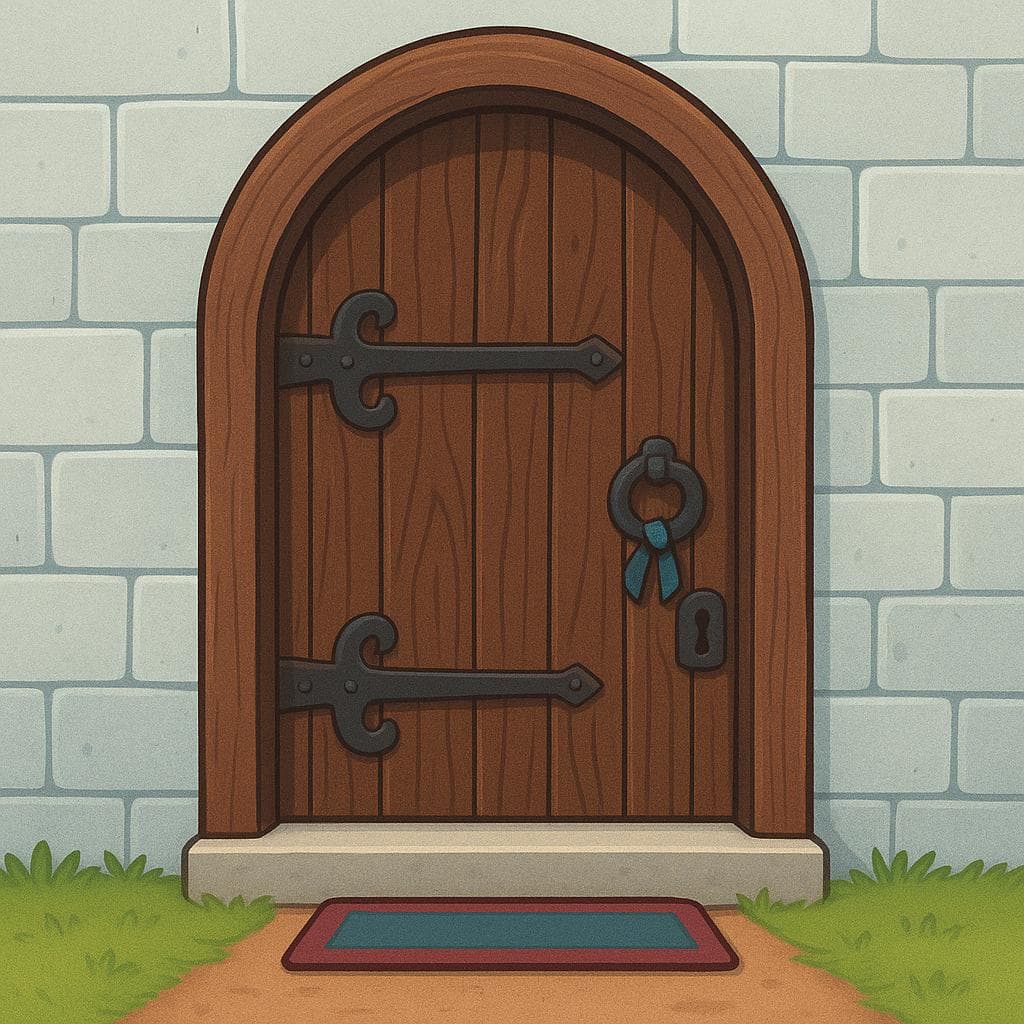
The most common Spanish word for “doorway” is “entrada” — use 'entrada' when referring to the general opening or access point of a building or room, often interchangeable with 'puerta' (door) itself.


entrada
en-TRAH-dahenˈtɾaða

Examples
La entrada al concierto era por un pasillo oscuro.
The entrance to the concert was through a dark hallway.
La entrada al museo es por la puerta de cristal.
The entrance to the museum is through the glass door.
Esperamos tu entrada triunfal.
We await your triumphant entry.
Feminine Noun
Remember that 'entrada' is a feminine noun, so you always need to use 'la' or 'una' before it: 'la entrada'.
Confusing Place vs. Action
Mistake: “A veces decimos 'la entrada' para hablar de dónde está la gente, pero se refiere al lugar.”
Correction: Aunque 'entrada' puede ser el acto de entrar, lo más común es que se refiera al punto físico de acceso.
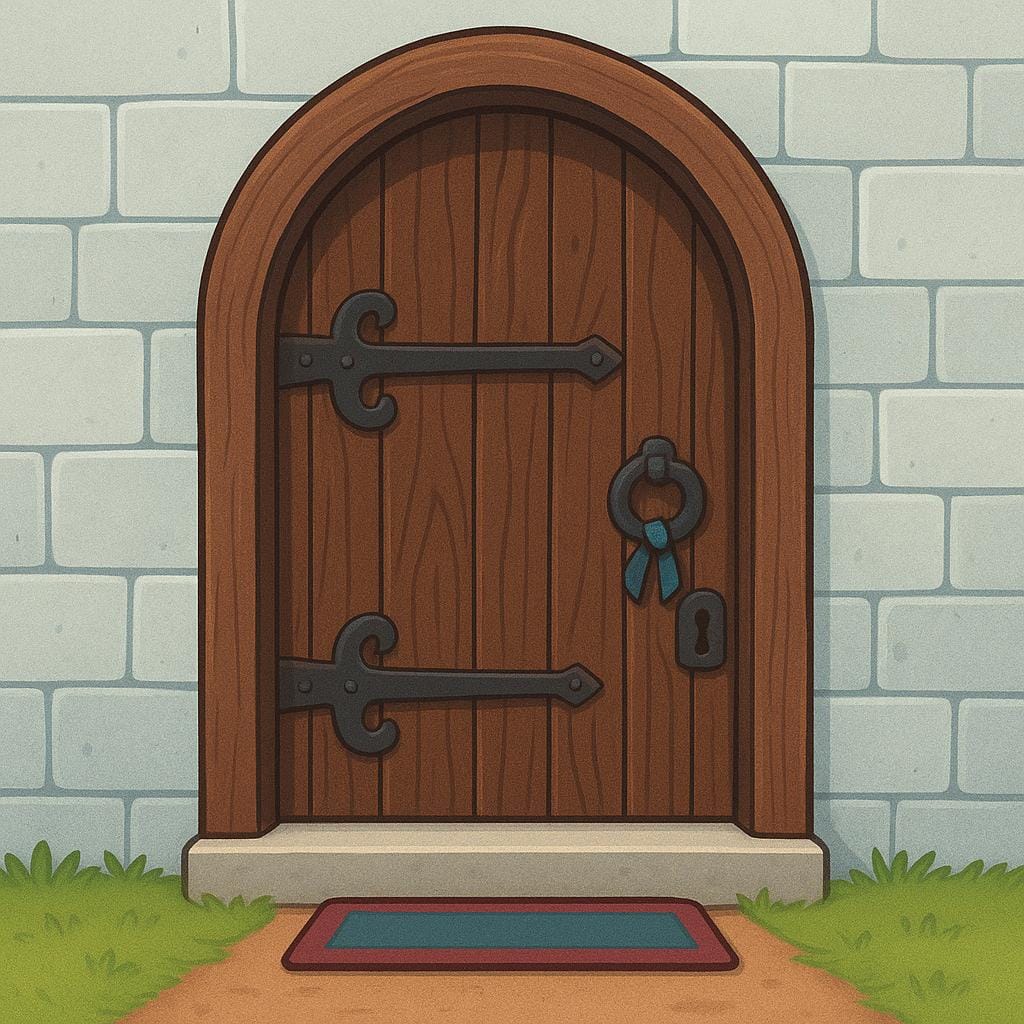
portal
poor-TAHLpoɾˈtal
Examples
El portal de la catedral es impresionante.
The portal of the cathedral is impressive.
El portal de la iglesia estaba decorado con flores.
The main entrance of the church was decorated with flowers.
Esperamos en el portal hasta que llegó la vecina.
We waited in the lobby until the neighbor arrived.
Es un portal antiguo con mucha historia.
It is an old doorway with a lot of history.
Masculine Noun Rule
Even though many Spanish words ending in -al are adjectives (like 'normal'), 'portal' is a masculine noun, so you always use 'el' (el portal).
umbral
oom-BRAHLumˈbɾal

Examples
Cuidado al cruzar el umbral para no tropezar.
Be careful when crossing the threshold so you don't trip.
Se detuvo en el umbral de la puerta sin decir nada.
He stopped at the threshold of the door without saying anything.
El gato siempre duerme en el umbral.
The cat always sleeps on the doorstep.
Al cruzar el umbral, sintió un aire frío.
Upon crossing the threshold, he felt a cold draft.
Always Masculine
Even though it doesn't end in 'o', 'umbral' is masculine. Always use 'el' or 'un' with it.
Using 'En' vs 'Al'
Use 'en el umbral' when someone is standing still, and 'al umbral' (a + el) when someone is moving toward it.
Gender Error
Mistake: “la umbral”
Correction: el umbral (it is a masculine noun).
Entrada vs. Umbral
Related Translations
Learn Spanish with Inklingo
Interactive stories, personalized learning, and more.