How to Say "get going!" in Spanish
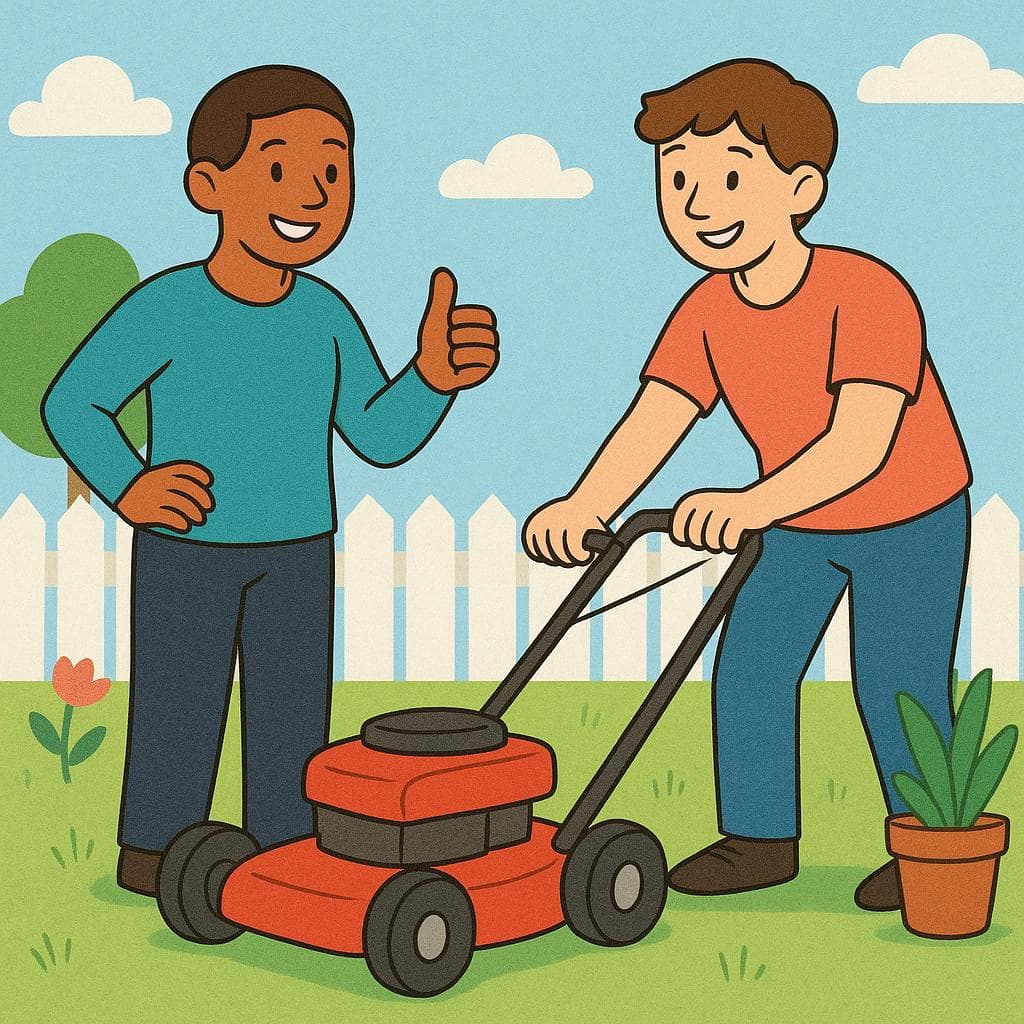
The most common Spanish word for “get going!” is “muévete” — use this command to generally rush someone to start moving or hurry up in a casual context.

muévete
MWEH-veh-teh'mwe.βe.te

Examples
¡Muévete! La película está a punto de empezar.
Move! The movie is about to start.
Por favor, muévete un poco para que yo pueda pasar.
Please, move a little so I can pass.
El entrenador gritó: «¡Muévete al balón, no esperes!»
The coach yelled: "Move towards the ball, don't wait!"
Command Form Structure
This word is a command addressed to 'tú' (you, informal). The small word 'te' is attached to the end of the verb 'mueve' because you are telling the person to move themselves (it's a reflexive action).
The Accent Mark
When you attach a pronoun (like 'te') to a command, you often need to add an accent mark ('é') to keep the original stress of the verb ('mueve' to 'muévete'). This is essential for correct pronunciation.
Forgetting the 'te'
Mistake: “Using only '¡Mueve!'”
Correction: Use '¡Muévete!' when telling a person to move their own body. 'Mueve' alone usually means 'Move [an object].'
Separating the Pronoun
Mistake: “Saying 'Te mueve'”
Correction: In affirmative commands, the pronoun 'te' must always stick to the end of the verb: 'Muévete.' (The separate form 'Te mueve' means 'He/She moves you.')
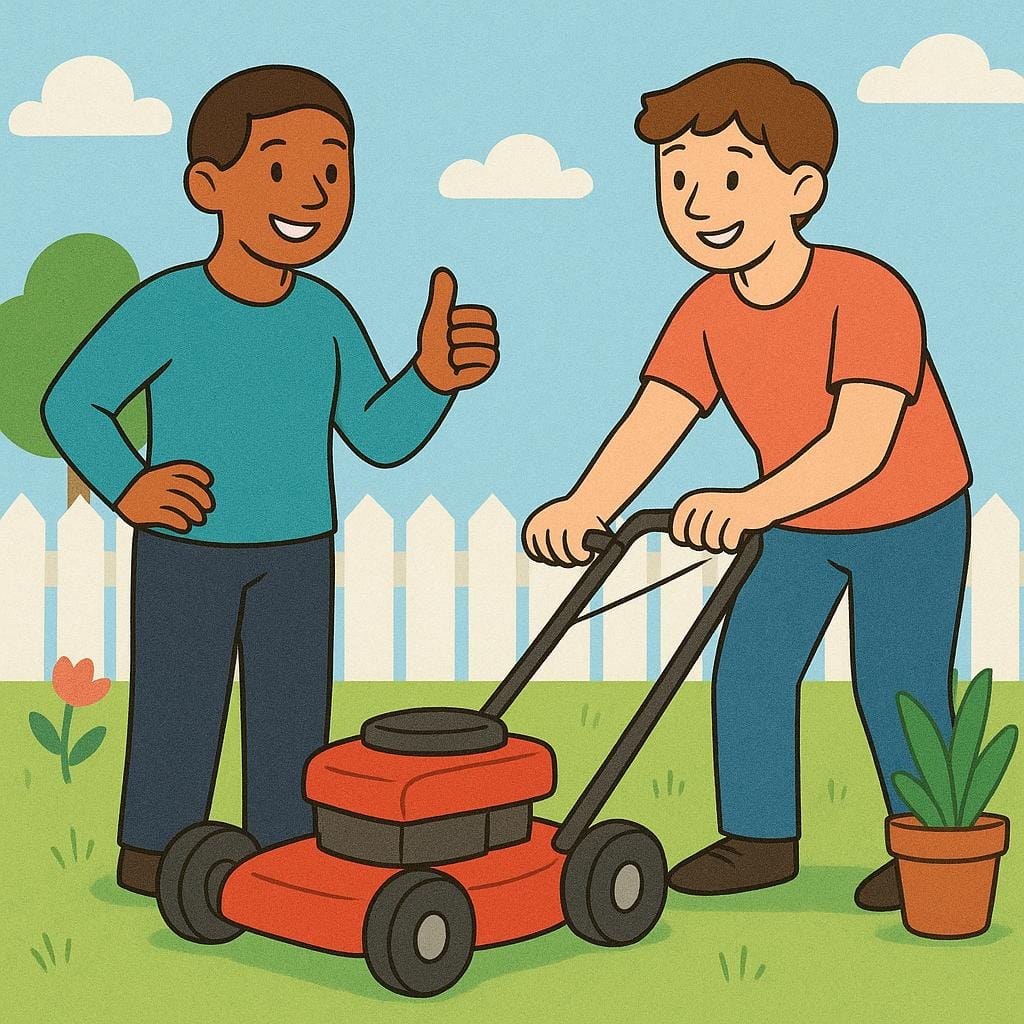
arranca
ah-RRAHN-kahaˈraŋka
Examples
¡Arranca, que vamos tarde!
Start (the car), we are late!
Arranca esa pegatina que está fea.
Pull off that sticker, it's ugly.
The 'Tú' Command
The friendly command form (tú imperative) for almost all '-ar' verbs is identical to the 'él/ella/usted' form in the present tense, which is why 'arranca' serves two purposes.
Using the wrong command form
Mistake: “Using 'arranque' when talking to a friend.”
Correction: Use 'arranca' for friends and family (tú). Reserve 'arranque' for formal situations (usted).
Arranca vs. Muévete
Related Translations
Learn Spanish with Inklingo
Interactive stories, personalized learning, and more.