How to Say "get up!" in Spanish
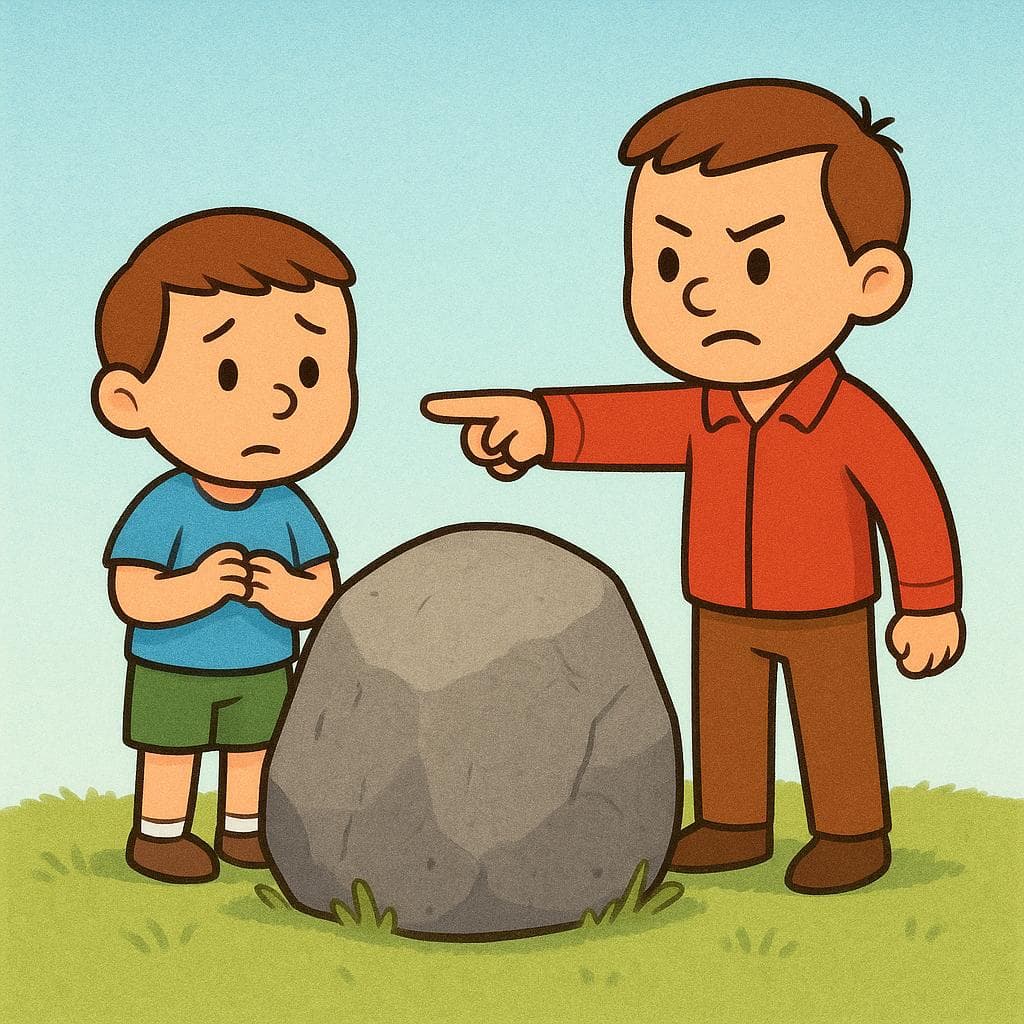
The most common Spanish word for “get up!” is “arriba” — use '¡Arriba!' as an interjection to wake someone up, encourage a group to start moving, or to cheer them on.

arriba
ah-RREE-bahaˈriβa

Examples
¡Arriba, dormilón! El sol ya salió.
Get up, sleepyhead! The sun is already out.
¡Arriba, equipo, que podemos ganar!
Come on, team, we can win!
¡Arriba, dormilón! Ya son las diez.
Get up, sleepyhead! It's already ten o'clock.
¡Arriba ese ánimo! Todo va a estar bien.
Cheer up! (Literally: Up with that spirit!) Everything is going to be okay.
levanta
leh-VAHN-tahleˈβanta
Examples
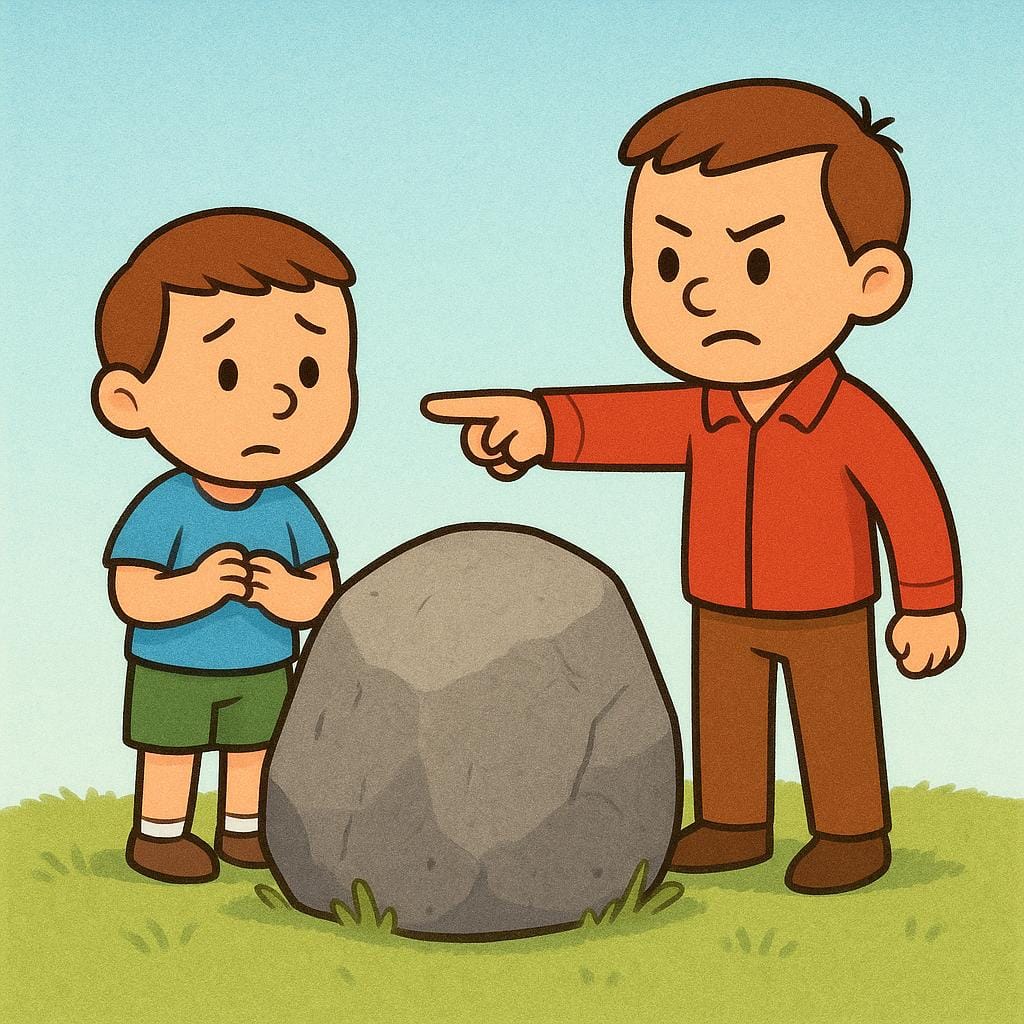
¡Levanta de la silla y ven a ayudarme!
Get up from the chair and come help me!
¡Levanta esa silla y ponla aquí!
Lift that chair and put it here!
¡Levanta, ya es de día!
Get up, it's already daytime!
Affirmative Commands
For positive commands directed at 'tú' (you, informal), the verb uses the exact same form as the 'él/ella/usted' present tense. This is the simplest command form!
Adding Pronouns Incorrectly
Mistake: “Saying 'Se levanta' when giving a command.”
Correction: When giving a positive command to get up, the 'te' pronoun attaches to the end: '¡Levántate!'. 'Levanta' is only for lifting an object or the simple command 'Get up!'
Interjection vs. Verb Command
Learn Spanish with Inklingo
Interactive stories, personalized learning, and more.