How to Say "picks up" in Spanish
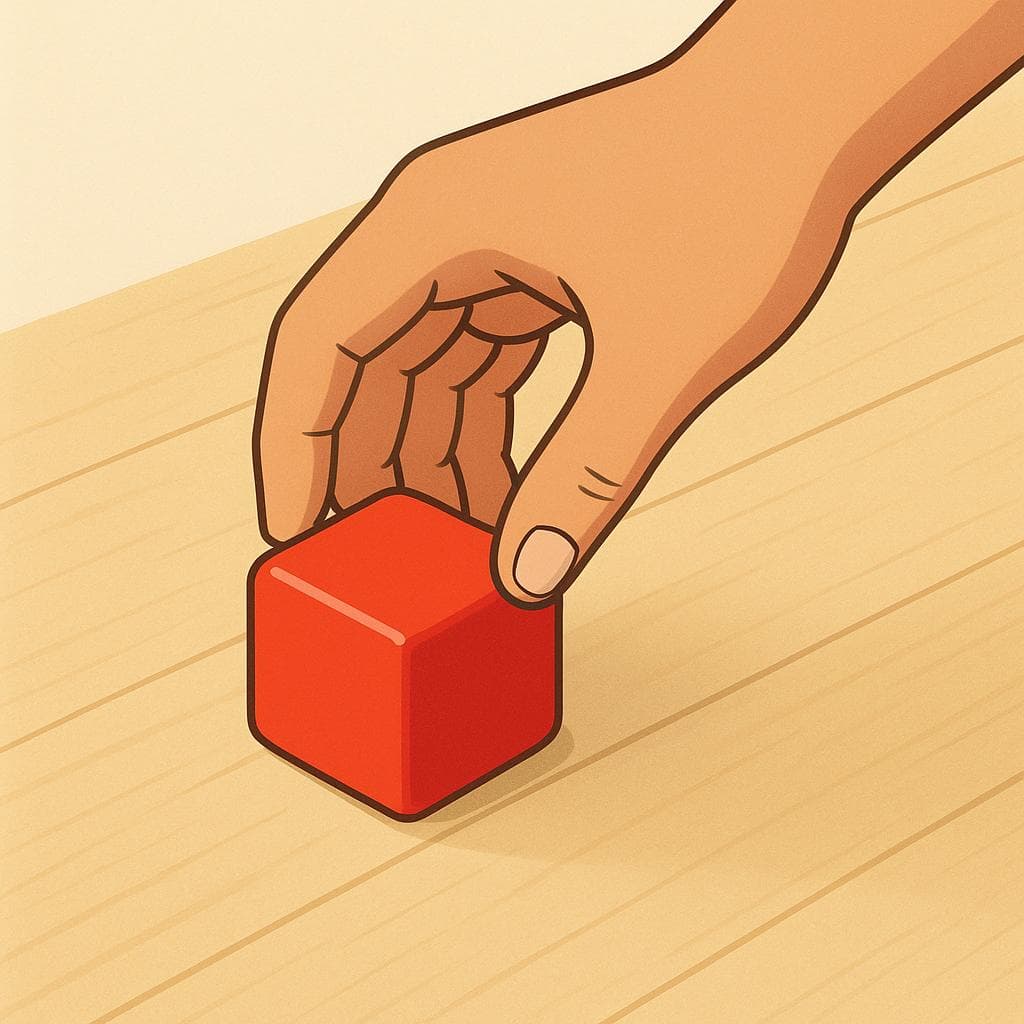
The most common Spanish word for “picks up” is “recoge” — use 'recoge' when referring to picking up objects, especially from a surface like the floor or a table, often implying gathering them.

recoge
reh-KOH-hehreˈko.xe
Examples
Mi madre recoge las cartas del buzón cada mañana.
My mother picks up the mail from the mailbox every morning.
Ella recoge los juguetes del suelo.
She picks up the toys from the floor.
Señora, por favor, recoge la mesa.
Madam, please, clear the table. (formal command)
¡Recoge tu mochila antes de salir!
Pick up your backpack before leaving! (informal command)
Dual Use: Present Tense vs. Command
"Recoge" is used for two purposes: describing what 'he/she/it' or 'you (formal)' does now (Present Tense), AND giving an informal command to 'you' (tú) to do something immediately.
The 'G' to 'J' Change
Notice how the 'g' in 'recoger' becomes a 'j' in the 'yo' form (recojo) and in the special forms (Subjunctive) to keep the hard 'h' sound.
Confusing informal command
Mistake: “Using 'recojas' for the affirmative informal command.”
Correction: The correct affirmative command for 'tú' is simply the third-person present tense: '¡Recoge!'. 'No recojas' is only used for negative commands.
coge
KOH-hehˈko.xe
Examples
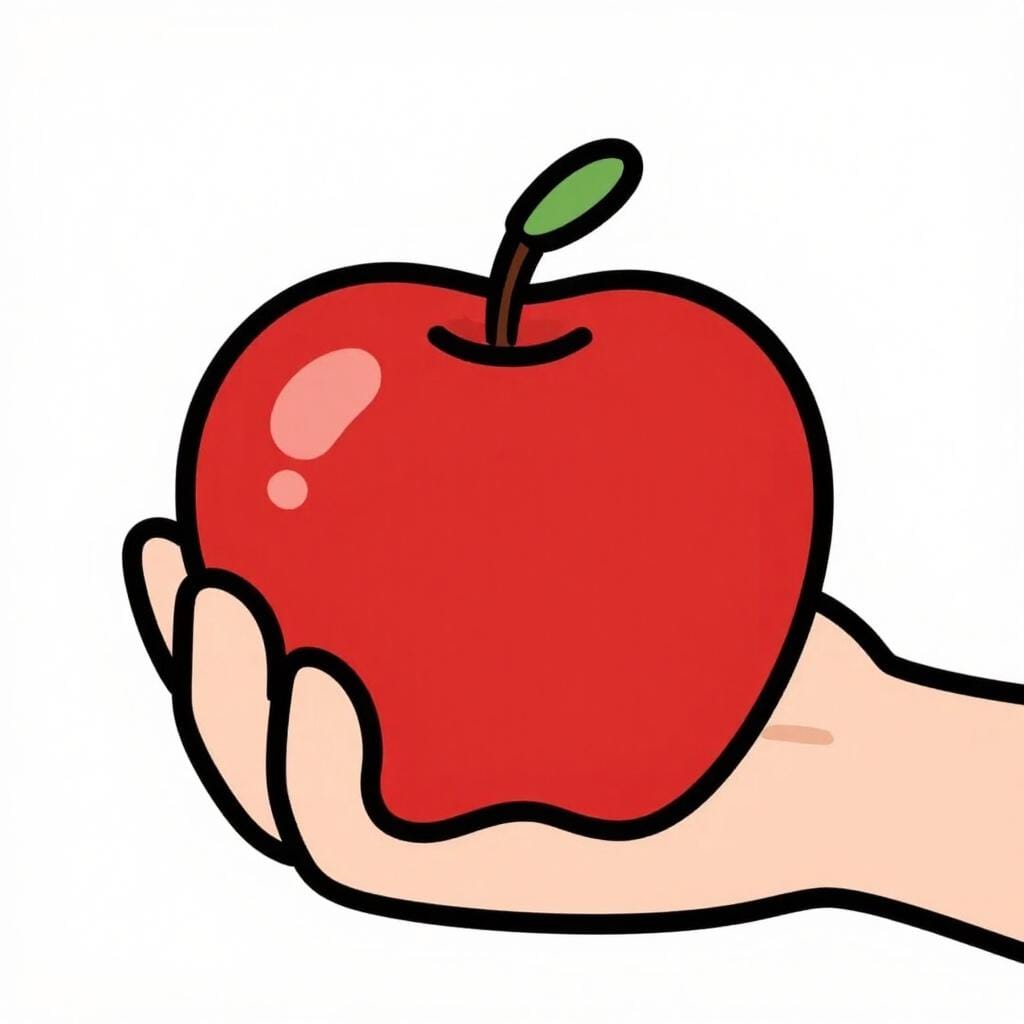
Voy a coger el autobús a las tres.
I am going to catch the bus at three.
Ella siempre coge el tren de las ocho.
She always takes the eight o'clock train.
Coge tu paraguas, va a llover.
Grab your umbrella, it's going to rain.
Mi perro coge la pelota en el aire.
My dog catches the ball in the air.
When to use 'coge'
'Coge' is the verb form you use when talking about what 'he,' 'she,' or 'it' does right now (Present Tense), or when you are giving a direct command to a friend ('tú' command).
Spelling Change in the 'Yo' Form
Even though 'coger' has a 'g', the 'yo' form changes the spelling to 'cojo' (with a 'j') to keep the soft 'h' sound.
Regional Confusion
Mistake: “Using 'coge' in Mexico or Central America to mean 'take' or 'grab.'”
Correction: In many parts of Latin America, use 'toma' or 'agarra' instead. See the regionalism warning below!
levanta
leh-VAHN-tahleˈβanta
Examples
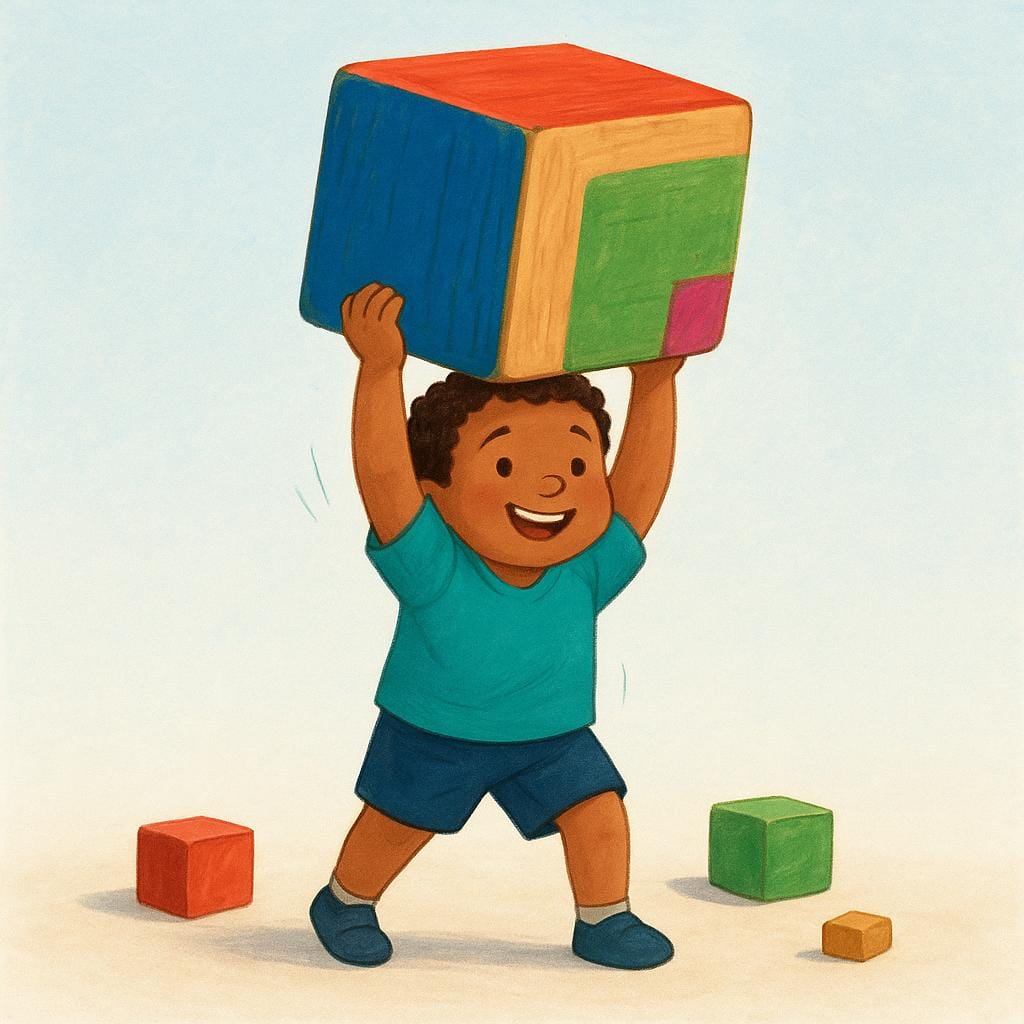
El bebé levanta su biberón del suelo.
The baby picks up his bottle from the floor.
El niño levanta el juguete con facilidad.
The child lifts the toy easily.
Usted levanta la mano si tiene una pregunta.
You raise your hand if you have a question.
Present Tense for Routines
This form describes what someone does right now or what they do habitually. Example: 'Ella levanta pesas todos los días' (She lifts weights every day).
Confusing 'Levanta' and 'Se Levanta'
Mistake: “Using 'levanta' when you mean 'gets up' (reflexive).”
Correction: Always add 'se' when the person is lifting themselves: 'Él se levanta' (He gets up), not 'Él levanta'.
aprende
ah-PREN-dehaˈpɾende

Examples
Ella aprende español muy rápido.
She picks up Spanish very quickly.
Mi hijo aprende muy rápido en la escuela.
My son learns very quickly at school.
Usted aprende español con esta aplicación.
You (formal) learn Spanish with this application.
Ella siempre aprende de sus errores.
She always learns from her mistakes.
The 'El/Ella/Usted' Form
This form is used for a single person who is not you or the person you are talking directly to (he, she, or it), OR when speaking politely/formally to one person (Usted).
Regular -ER Verb
Since 'aprender' is regular, its endings follow a predictable pattern. Just remove the '-er' and add the correct ending for the person performing the action.
Physical vs. Skill Acquisition
Learn Spanish with Inklingo
Interactive stories, personalized learning, and more.