coge
“coge” means “grabs” in Spanish. It has 2 different meanings depending on context:
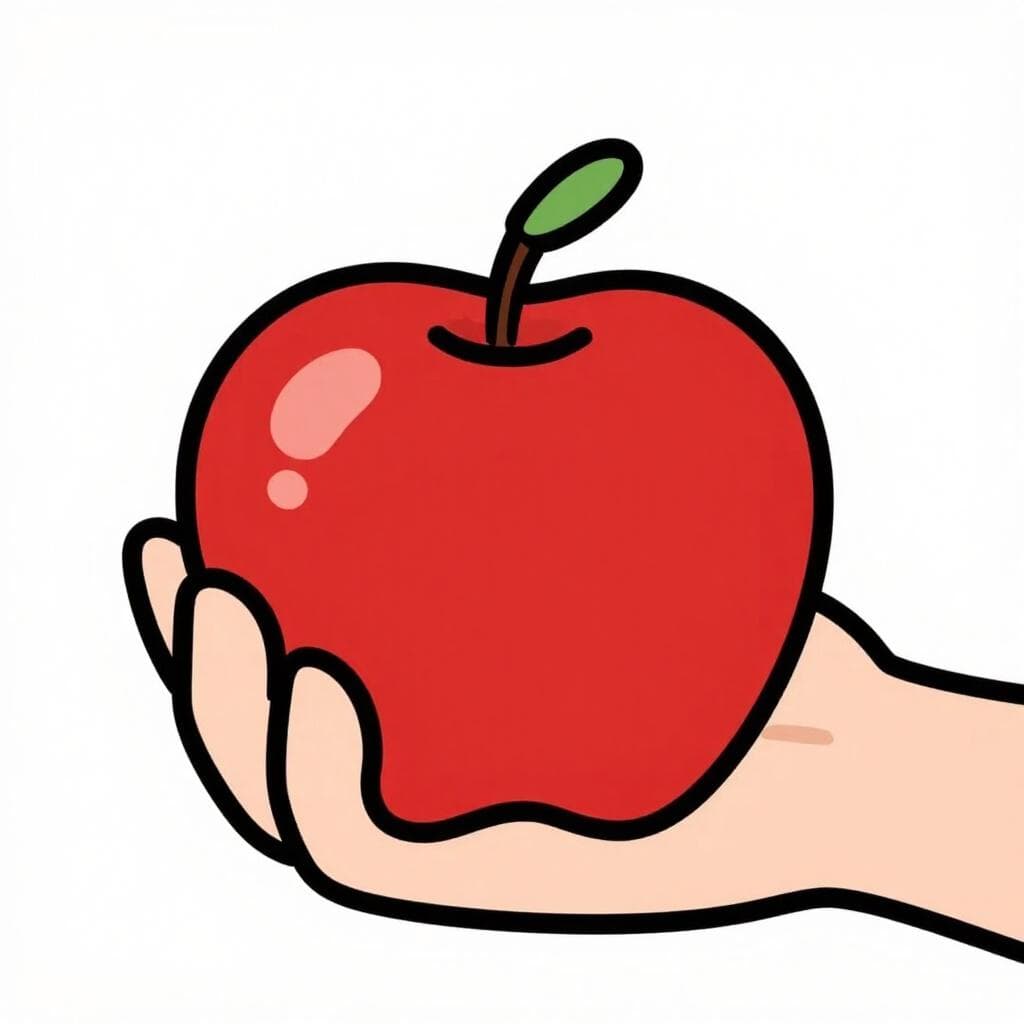

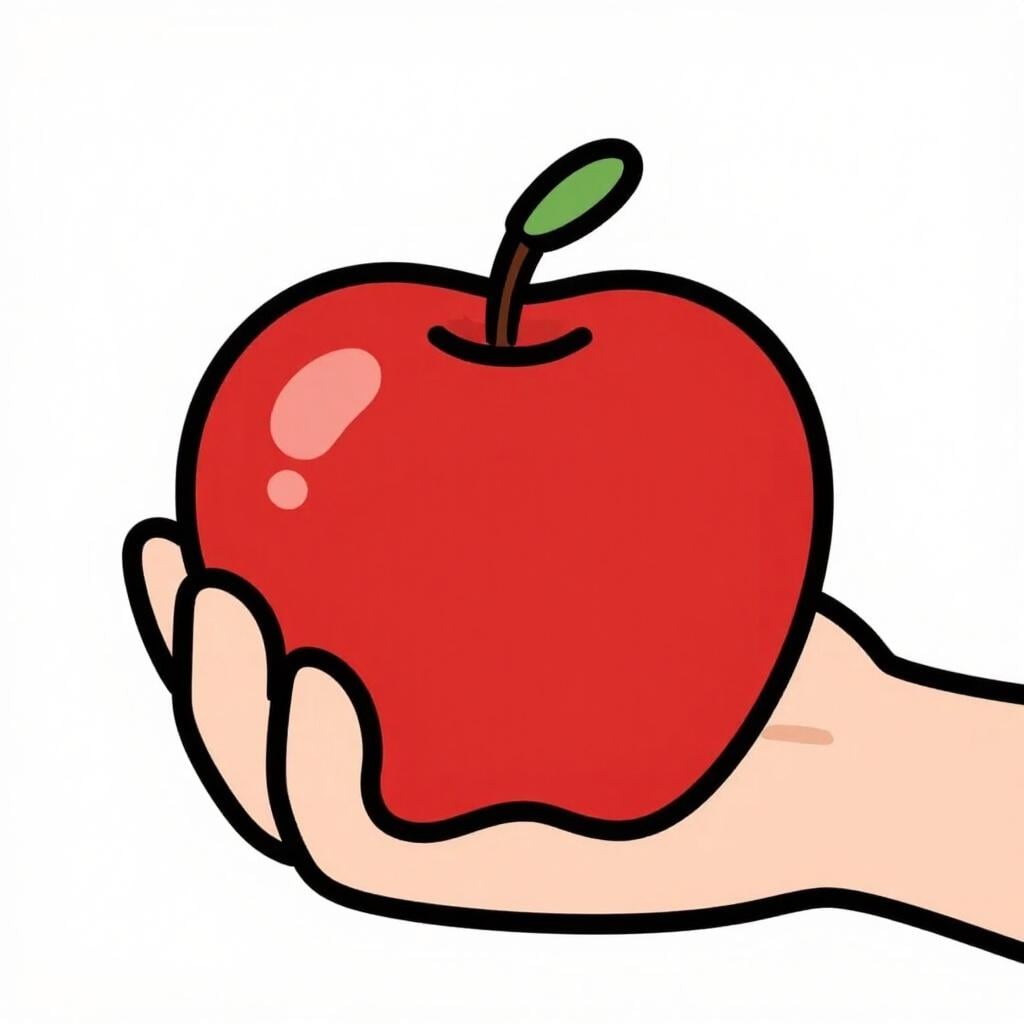
grabs, takesAlso: catches, picks up
📝 In Action
Ella siempre coge el tren de las ocho.
A2She always takes the eight o'clock train.
Coge tu paraguas, va a llover.
A1Grab your umbrella, it's going to rain.
Mi perro coge la pelota en el aire.
A1My dog catches the ball in the air.
Word Connections
He/She/It f**ks (vulgar)

📝 In Action
Por favor, ten mucho cuidado con esta palabra en México.
B2Please, be very careful with this word in Mexico.
Word Connections
Subjunctive
Imperfect Subjunctive
Present Subjunctive
Indicative
Preterite
Imperfect
Present
✏️ Quick Practice
Quick Quiz: coge
Question 1 of 2
Which sentence uses 'coge' correctly in Spain, but incorrectly in Mexico?
📚 More Resources
👥 Word Family
📚 Etymology
From the Latin verb *colligere*, meaning 'to gather' or 'to collect.' The meaning evolved in Spanish to 'to seize' or 'to take hold of.'
First recorded: 13th century
Cognates (Related words)
💡 Master Spanish
Take your Spanish to the next level. Read 200+ illustrated and narrated Spanish stories tailored to your level with the Inklingo app!
Frequently Asked Questions
Why does 'coge' have two completely different meanings depending on where I am?
The original meaning of 'coger' (and 'coge') is simply 'to take' or 'to grab,' which is still used in Spain and the Southern Cone. However, in Mexico and Central America, the verb developed a secondary, highly offensive slang meaning related to sex. It’s a very important regional difference to remember!
If I am learning Spanish, should I use 'coge' or avoid it?
If you plan to spend time in Spain, use it frequently! It's an essential, everyday verb. If you plan to spend time in Mexico, Central America, or the Andean region, you should avoid 'coger' and 'coge' entirely. Use 'tomar' or 'agarrar' instead.