How to Say "takes" in Spanish
The most common Spanish word for “takes” is “coge” — use 'coge' when the subject is physically taking or grabbing an object, or when referring to catching transportation like a bus or train.



coge
KOH-hehˈko.xe

Examples
Ella siempre coge el tren de las ocho.
She always takes the eight o'clock train.
Coge tu paraguas, va a llover.
Grab your umbrella, it's going to rain.
Mi perro coge la pelota en el aire.
My dog catches the ball in the air.
When to use 'coge'
'Coge' is the verb form you use when talking about what 'he,' 'she,' or 'it' does right now (Present Tense), or when you are giving a direct command to a friend ('tú' command).
Spelling Change in the 'Yo' Form
Even though 'coger' has a 'g', the 'yo' form changes the spelling to 'cojo' (with a 'j') to keep the soft 'h' sound.
Regional Confusion
Mistake: “Using 'coge' in Mexico or Central America to mean 'take' or 'grab.'”
Correction: In many parts of Latin America, use 'toma' or 'agarra' instead. See the regionalism warning below!
tomas
TOH-mahsˈto.mas

Examples
Necesitamos más tomas de corriente en la cocina.
We need more electrical outlets in the kitchen.
El director revisó todas las tomas antes de la edición final.
The director reviewed all the takes before the final edit.
Las tomas de este medicamento son cada ocho horas.
The doses of this medicine are every eight hours.
Feminine Plural Noun
The singular form is 'la toma' (feminine), so the plural is 'las tomas.' Make sure any adjectives describing it are also feminine and plural.
Mixing up 'Toma' and 'Foto'
Mistake: “Saying 'Necesito dos tomas' when you mean 'I need two photos.'”
Correction: 'Toma' refers to the *act* of taking a picture or a specific shot. Use 'fotos' or 'fotografías' for the resulting image.
recibe
reh-SEE-behreˈθiβe

Examples
El boxeador recibe un golpe fuerte en el estómago.
The boxer takes a strong punch to the stomach.
La propuesta recibe muchas críticas de la prensa.
The proposal receives a lot of criticism from the press.
Esta parte del muro recibe todo el impacto del viento.
This part of the wall takes the full impact of the wind.
Use with Abstract Nouns
This meaning often pairs with abstract nouns like 'críticas' (criticism), 'presión' (pressure), or 'castigo' (punishment).
planos
PLAH-nohsˈplanos
Examples
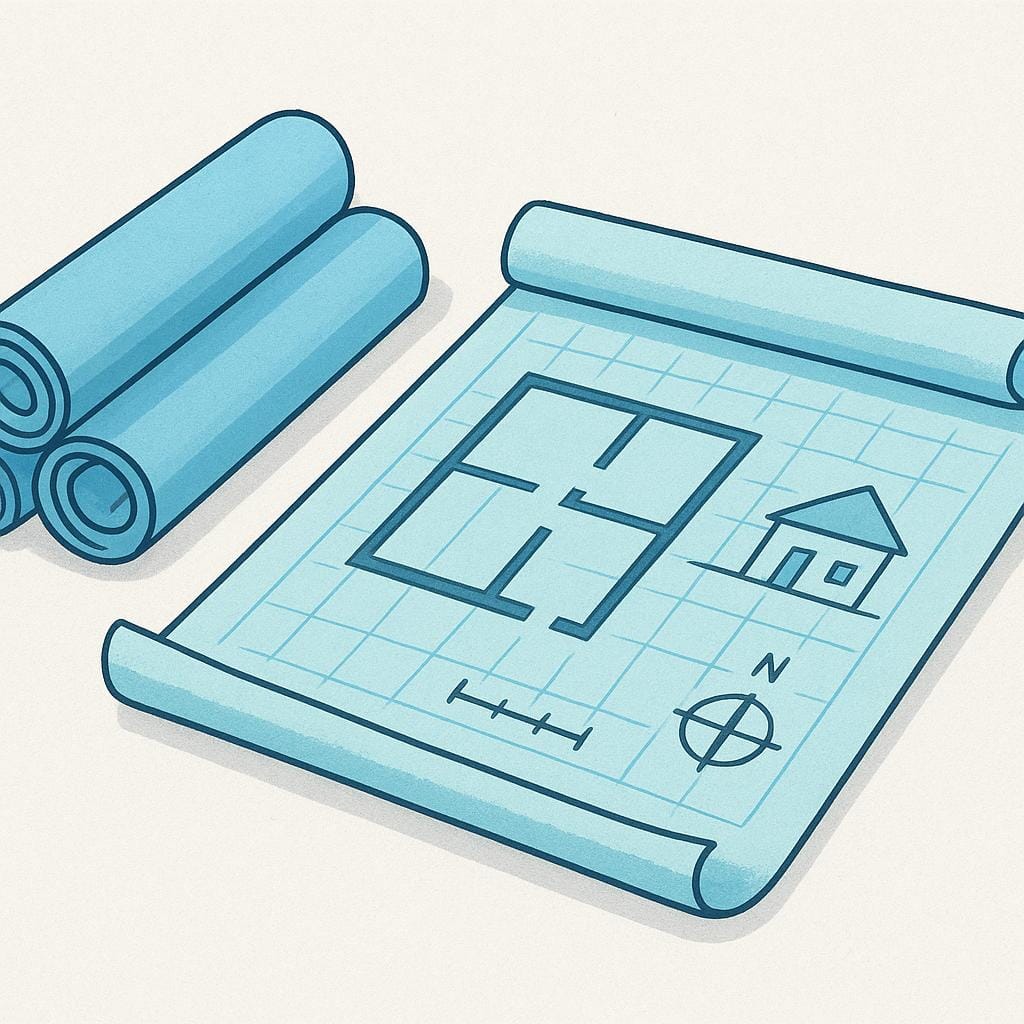
El arquitecto nos mostró los planos del nuevo edificio.
The architect showed us the blueprints for the new building.
Necesitamos revisar los planos eléctricos antes de empezar la obra.
We need to check the electrical plans before starting the construction.
El director de fotografía usó muchos primeros planos para crear tensión.
The cinematographer used a lot of close-up shots to create tension.
Plural Noun Rule
Since 'planos' is a masculine plural noun, any descriptive words (adjectives) used with it must also be masculine and plural: 'los planos nuevos' (the new blueprints).
Plan vs. Plano
Mistake: “Using 'los planos' when you mean 'the strategy' or 'the intention.'”
Correction: Use 'el plan' (singular) or 'los planes' (plural) for strategies. Use 'los planos' only for technical drawings or visual frames.
Confusing 'tomas' and 'coge' for 'takes'
Related Translations
Learn Spanish with Inklingo
Interactive stories, personalized learning, and more.