How to Say "collects" in Spanish
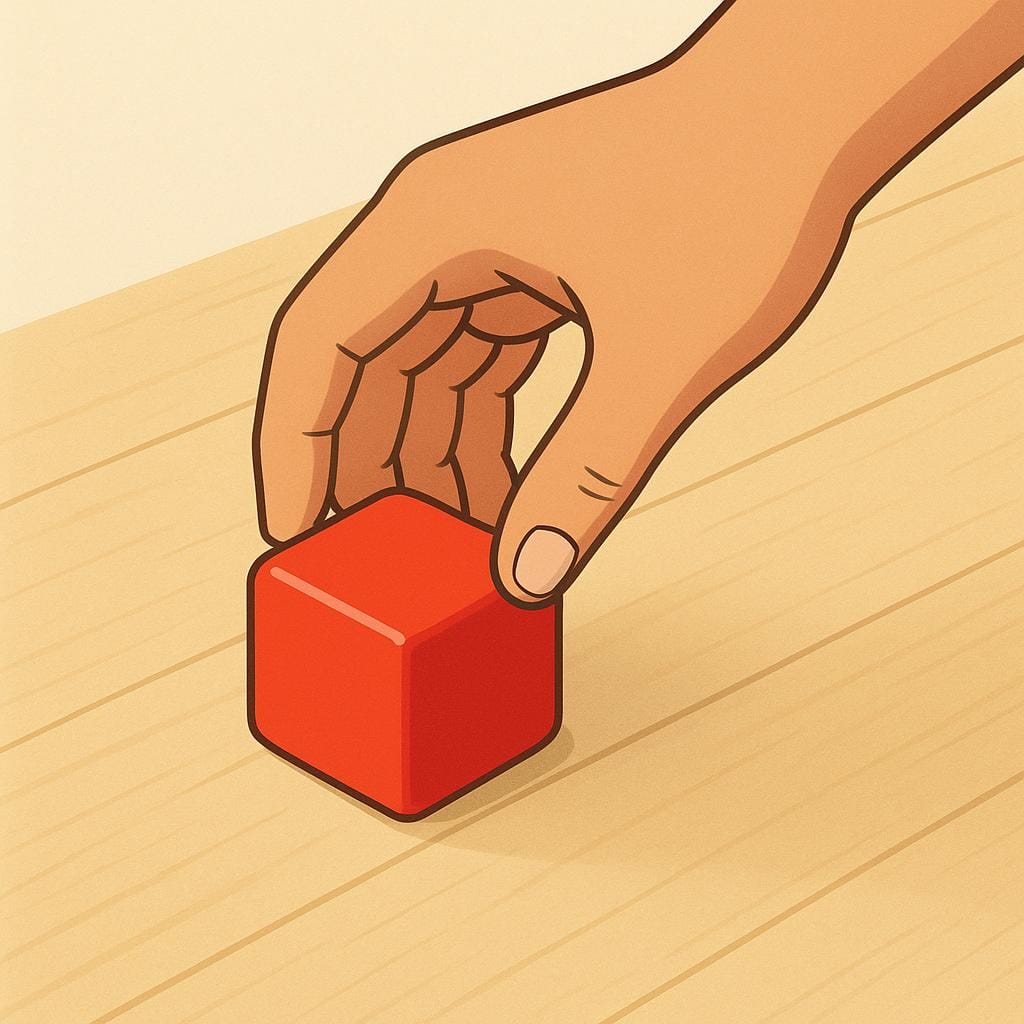
The most common Spanish word for “collects” is “recoge” — use 'recoge' when you mean picking up or gathering physical objects from a surface or location, or when compiling information or evidence.
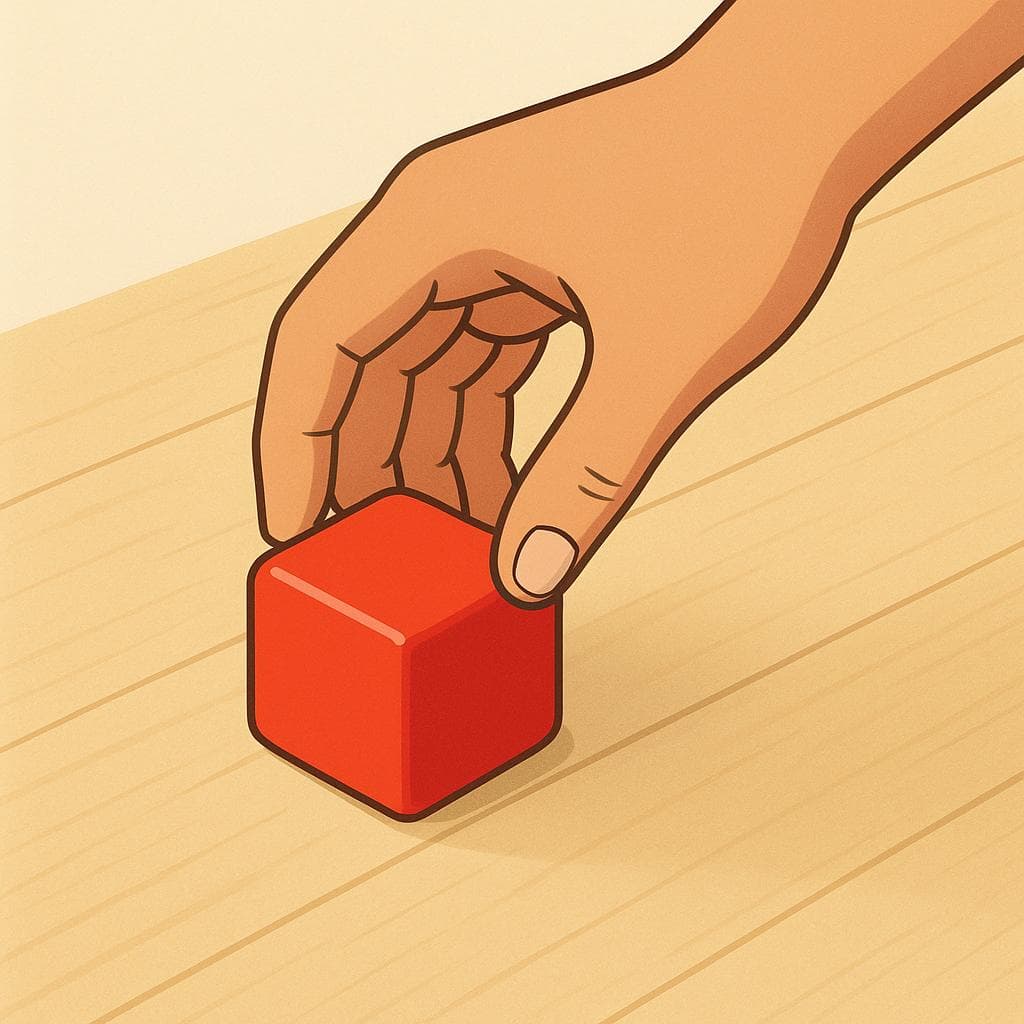
recoge
reh-KOH-hehreˈko.xe
Examples
Ella recoge los juguetes del suelo.
She picks up the toys from the floor.
Señora, por favor, recoge la mesa.
Madam, please, clear the table. (formal command)
¡Recoge tu mochila antes de salir!
Pick up your backpack before leaving! (informal command)
El periodista recoge datos para su artículo.
The journalist gathers data for his article.
Dual Use: Present Tense vs. Command
"Recoge" is used for two purposes: describing what 'he/she/it' or 'you (formal)' does now (Present Tense), AND giving an informal command to 'you' (tú) to do something immediately.
The 'G' to 'J' Change
Notice how the 'g' in 'recoger' becomes a 'j' in the 'yo' form (recojo) and in the special forms (Subjunctive) to keep the hard 'h' sound.
Figurative Use
When used with abstract nouns like 'información' or 'datos', 'recoger' means to compile or obtain something intellectually, not just physically picking it up.
Confusing informal command
Mistake: “Using 'recojas' for the affirmative informal command.”
Correction: The correct affirmative command for 'tú' is simply the third-person present tense: '¡Recoge!'. 'No recojas' is only used for negative commands.
reúne
Examples
Él reúne a sus amigos todos los viernes.
He gathers his friends every Friday.
Recoge vs. Reúne
Learn Spanish with Inklingo
Interactive stories, personalized learning, and more.