How to Say "raises" in Spanish
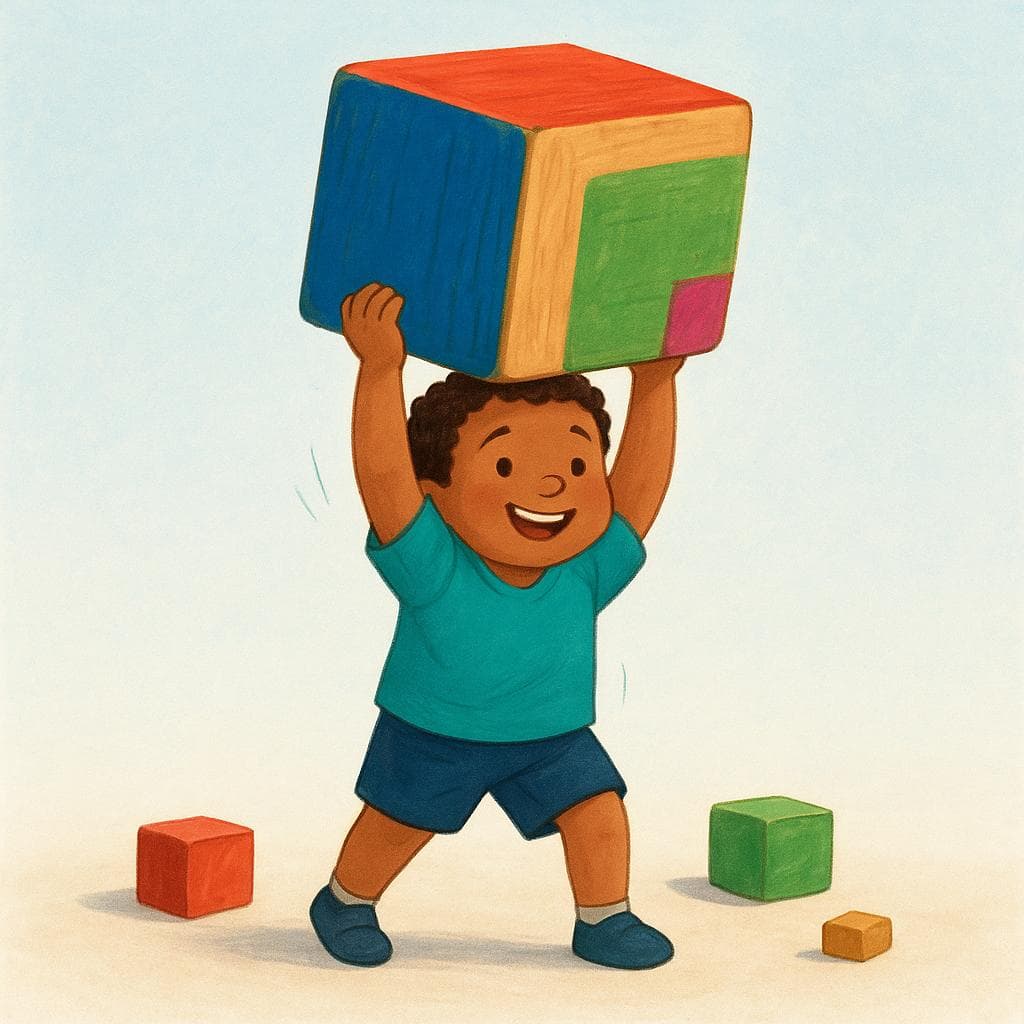
The most common Spanish word for “raises” is “levanta” — use 'levanta' when referring to the physical act of lifting or raising an object or a body part, like a hand or a flag.

levanta
leh-VAHN-tahleˈβanta
Examples
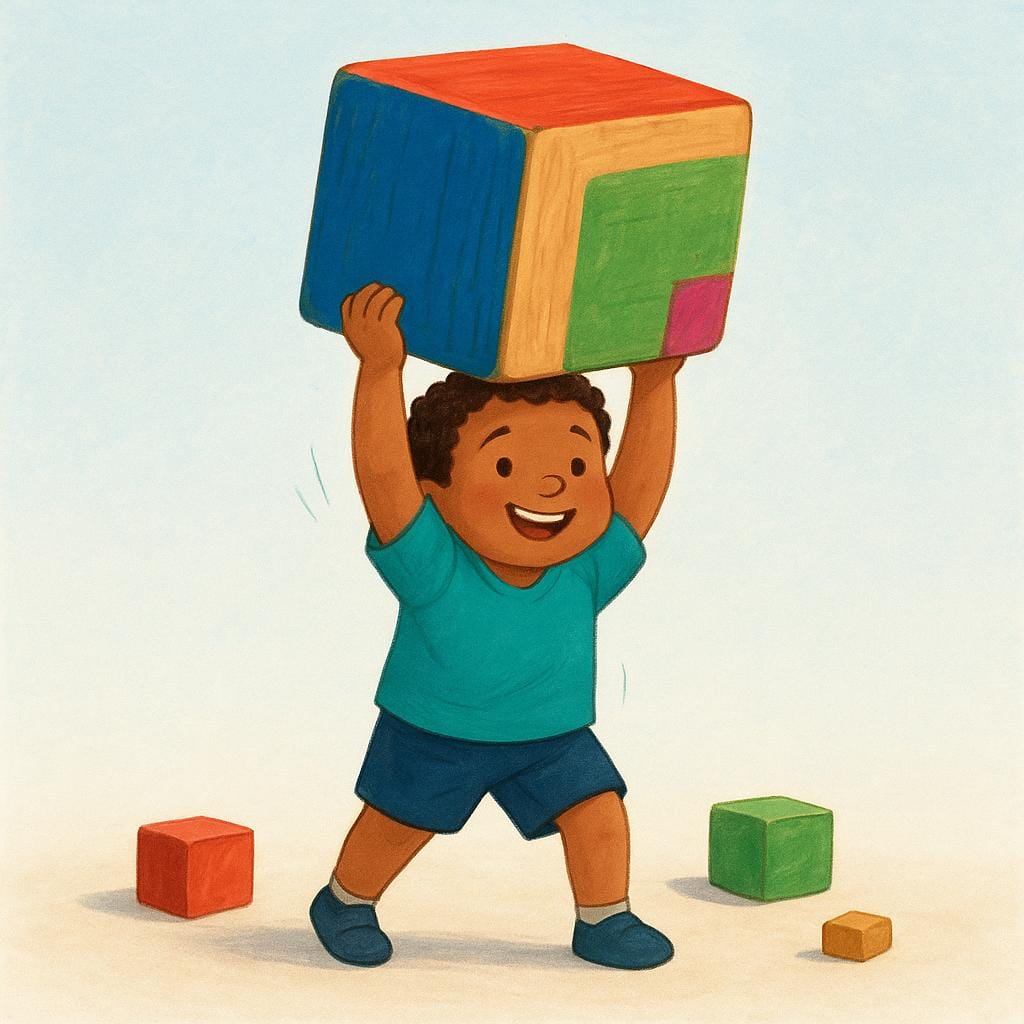
El niño levanta el juguete con facilidad.
The child lifts the toy easily.
Usted levanta la mano si tiene una pregunta.
You raise your hand if you have a question.
Present Tense for Routines
This form describes what someone does right now or what they do habitually. Example: 'Ella levanta pesas todos los días' (She lifts weights every day).
Confusing 'Levanta' and 'Se Levanta'
Mistake: “Using 'levanta' when you mean 'gets up' (reflexive).”
Correction: Always add 'se' when the person is lifting themselves: 'Él se levanta' (He gets up), not 'Él levanta'.
sube
soo-behˈsu.βe

Examples
Cada año, el coste de vida sube mucho.
Every year, the cost of living increases a lot.
Si hace frío, la calefacción sube la temperatura.
If it's cold, the heating raises the temperature.
¡Sube la música! Esta canción es genial.
Turn up the music! This song is great.
Use with Direct Object
When 'sube' means 'raises' or 'turns up,' it takes a direct object: 'Sube el volumen' (Turn up the volume). The volume is receiving the action.
Using 'Aumentar' for Volume
Mistake: “Saying 'Aumenta el volumen' (while technically correct).”
Correction: 'Sube el volumen' is much more natural and common when talking about sound or light intensity.
Physical vs. Abstract 'Raises'
Learn Spanish with Inklingo
Interactive stories, personalized learning, and more.