How to Say "gloom" in Spanish
The most common Spanish word for “gloom” is “oscuridad” — use 'oscuridad' when referring to a physical lack of light, like the dimness after sunset or in a poorly lit room.

oscuridad
os-coo-ree-DAHDoskuɾiˈðað
Examples
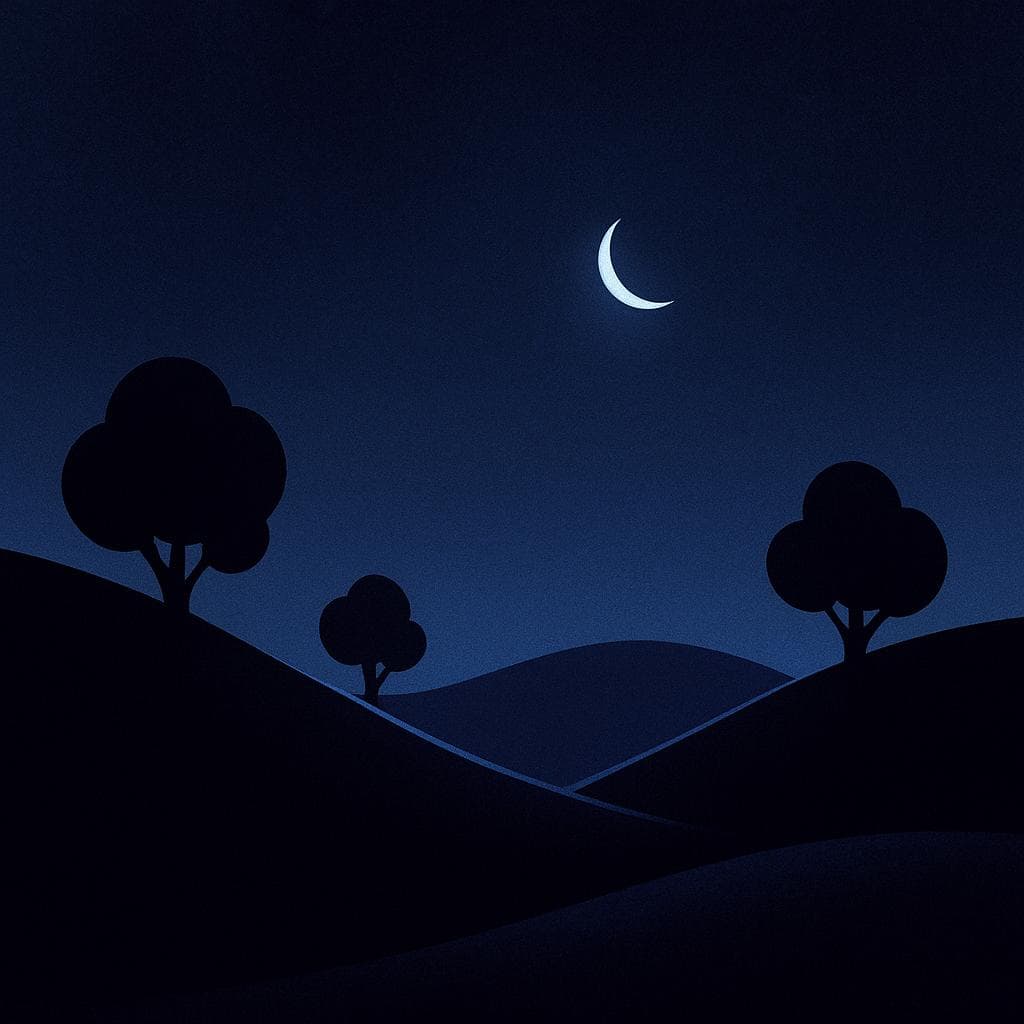
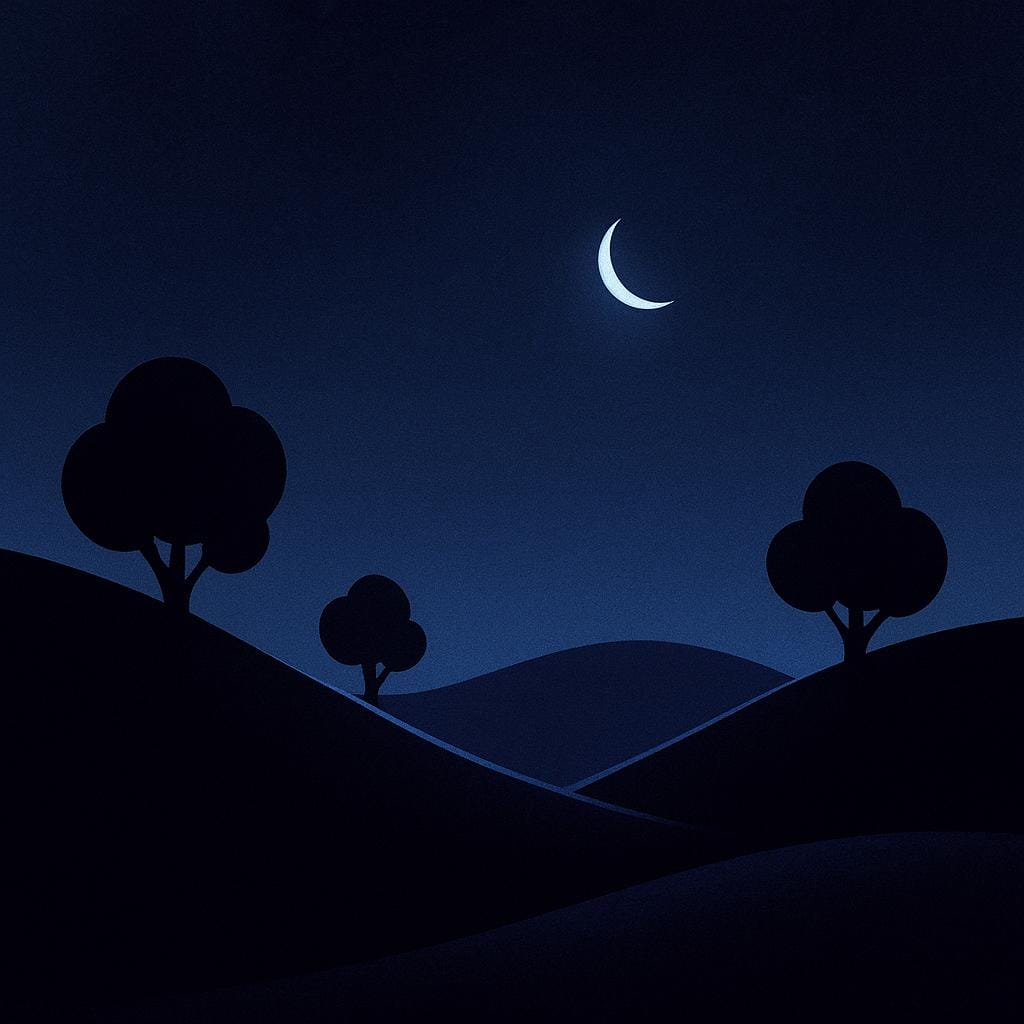
Después del atardecer, la oscuridad cubrió todo el valle.
After sunset, darkness covered the whole valley.
Se fue la luz y tuvimos que caminar en la oscuridad total.
The power went out and we had to walk in total darkness.
Gender Reminder
Remember that 'oscuridad' is always a feminine word. You must use feminine articles and adjectives with it (e.g., 'la oscuridad', 'una oscuridad terrible').
Using 'Oscuro' instead of 'Oscuridad'
Mistake: “Me gusta el oscuro de la noche. (Incorrect: 'el oscuro' is generally used as the color 'dark brown' or 'dark shade'.)”
Correction: Me gusta la oscuridad de la noche. (Correct: Use the noun form 'oscuridad' when referring to the state of being dark.)
melancolía
meh-lan-ko-LEE-ahmelankoˈlia

Examples
Siento una profunda melancolía cuando escucho las canciones de mi infancia.
I feel a deep melancholy when I listen to the songs of my childhood.
La melancolía del otoño siempre me hace reflexionar sobre la vida.
The gloom of autumn always makes me reflect on life.
Sus ojos estaban llenos de melancolía al recordar su antiguo hogar.
Her eyes were full of wistfulness as she remembered her old home.
Using 'La' with Melancolía
Even though this word ends in '-ía,' it follows the general rule that words ending in 'a' are feminine. Always use 'la melancolía' or 'una melancolía'.
Noun vs. Adjective
Remember that 'melancolía' is the name of the feeling (a noun). If you want to describe a person, use the adjective 'melancólico' (for a man) or 'melancólica' (for a woman).
Don't use 'estar' with the noun
Mistake: “Estoy melancolía.”
Correction: Say 'Tengo melancolía' (I have melancholy) or 'Estoy melancólico' (I am melancholy/sad). In Spanish, you have the feeling, you aren't the feeling itself.
penumbra
peh-NOOM-brahpeˈnumbɾa
Examples
Me gusta leer en la penumbra de la tarde.
I like to read in the gloom of the afternoon.
La habitación estaba en penumbra para que el bebé pudiera dormir.
The room was in semi-darkness so the baby could sleep.
Apenas podía reconocer su silueta en la penumbra del pasillo.
I could barely recognize her silhouette in the dim light of the hallway.
Using 'En'
To describe a room as dimly lit, we usually say 'en penumbra' without the word 'the' (la). Example: 'La sala está en penumbra.'
Gender and Articles
This is a feminine word. Always use 'la' or 'una' with it, even though it ends in 'a' like most feminine words.
Shadow vs. Penumbra
Mistake: “Using 'penumbra' to mean a shadow on the floor.”
Correction: Use 'sombra' for a specific shadow cast by an object. Use 'penumbra' for the general feeling of low light in a space.
sombras
SOHM-brasˈsom.bɾas
Examples
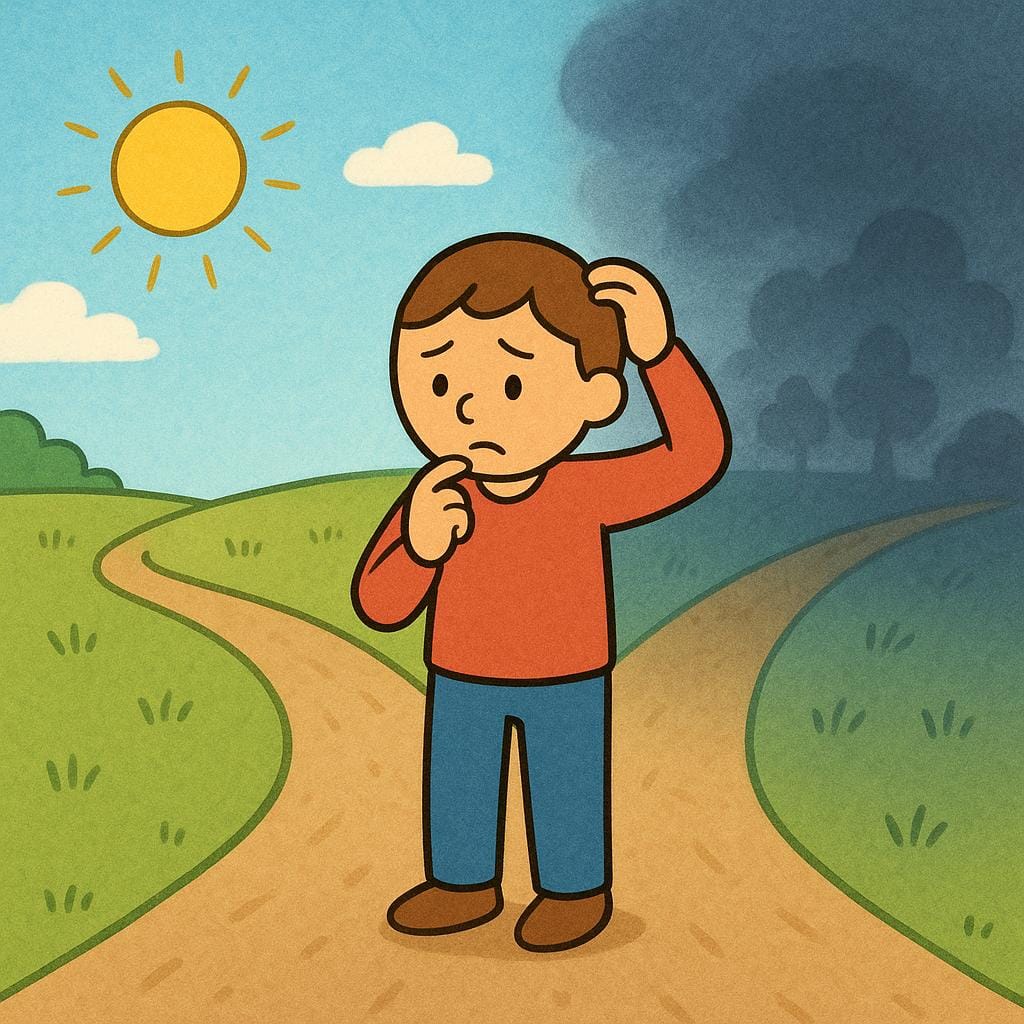
La crisis puso muchas sombras sobre el futuro de la empresa.
The crisis cast many doubts on the company's future.
Hay que sacar a la luz las sombras del pasado político.
We must bring the secrets (or dark parts) of the political past to light.
Figurative Extension
This meaning is an easy extension of the physical shadow: just as a shadow conceals things, 'sombras' can mean hidden problems, doubts, or lack of clarity.
tiniebla
tee-NYEH-blahtiˈnjeβla
Examples
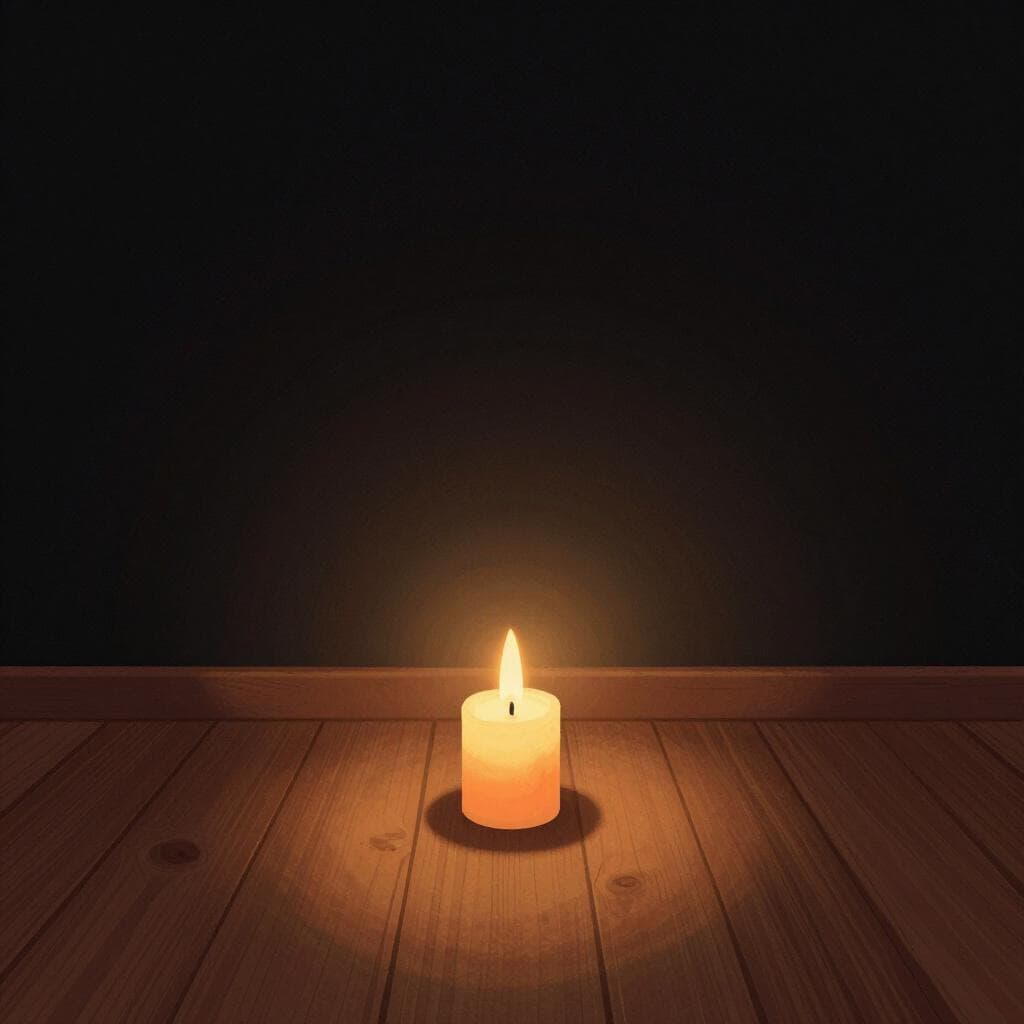
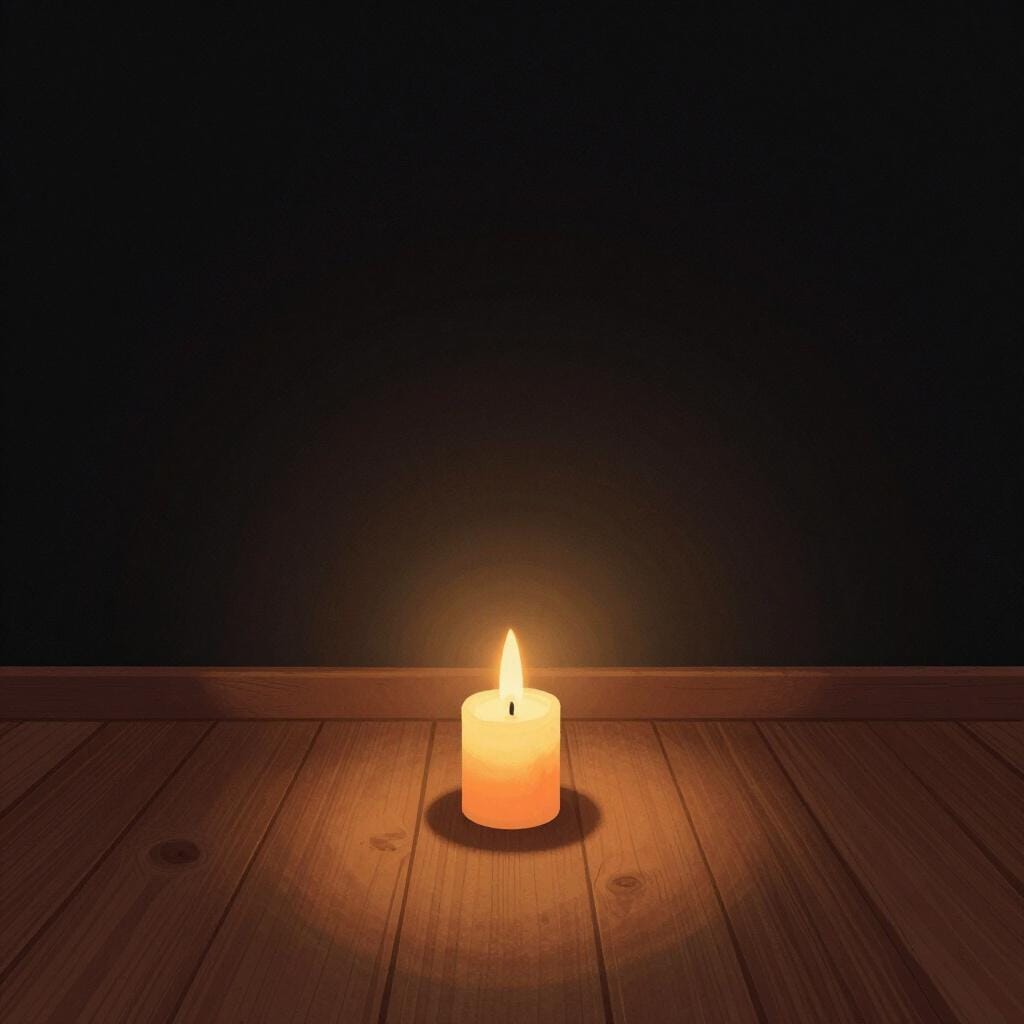
La luz de la vela apenas podía con la tiniebla de la cueva.
The candle light could barely handle the darkness of the cave.
El barco desapareció en las tinieblas de la noche.
The ship disappeared into the shadows of the night.
Tras el apagón, la ciudad quedó sumida en tinieblas.
After the blackout, the city was plunged into darkness.
The Power of Plural
While you can say 'la tiniebla', it is much more common to use the plural form 'las tinieblas' to describe a place that is pitch black.
Noun Gender
This is a feminine word. Always use 'la' or 'las' with it.
Don't confuse with 'fog'
Mistake: “Using 'tiniebla' when you mean 'niebla'.”
Correction: Use 'niebla' for the weather phenomenon (fog) and 'tiniebla' for total absence of light (darkness).
Light vs. Emotion
Related Translations
Learn Spanish with Inklingo
Interactive stories, personalized learning, and more.