How to Say "doubts" in Spanish
The most common Spanish word for “doubts” is “dudas” — use 'dudas' when referring to general uncertainty, lack of confidence, or questions about something.

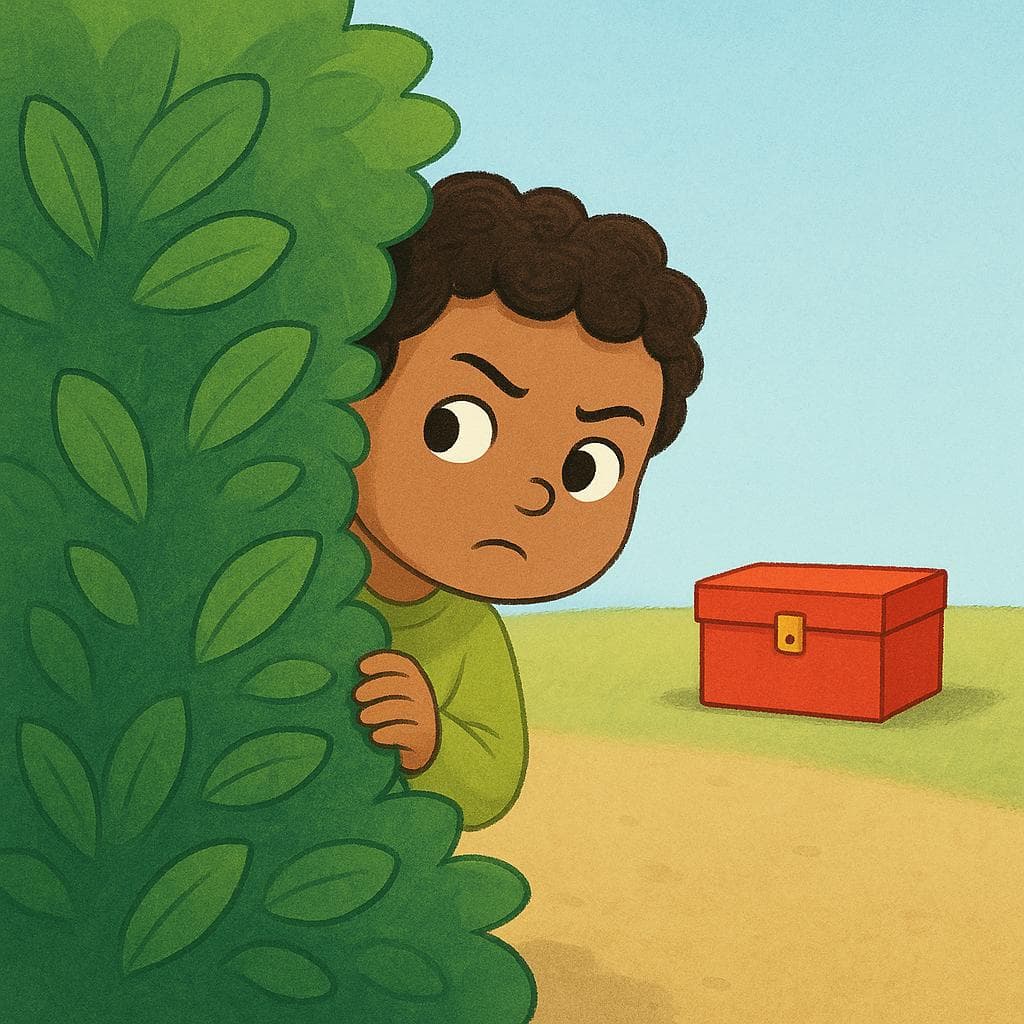

dudas
DOO-dasˈduðas

Examples
Si tienes dudas, puedes preguntar a la profesora.
If you have doubts, you can ask the teacher.
Ella tenía serias dudas sobre la honestidad del vendedor.
She had serious doubts about the honesty of the seller.
Using 'Tener'
In Spanish, you 'have doubts' (tener dudas), unlike English where we often 'are doubtful' or 'have doubts'.
Using 'Ser' instead of 'Tener'
Mistake: “Soy dudas.”
Correction: Tengo dudas. (You use the verb 'tener'—to have—to express this feeling.)
sospechas
so-SPEH-chassoˈspe.tʃas
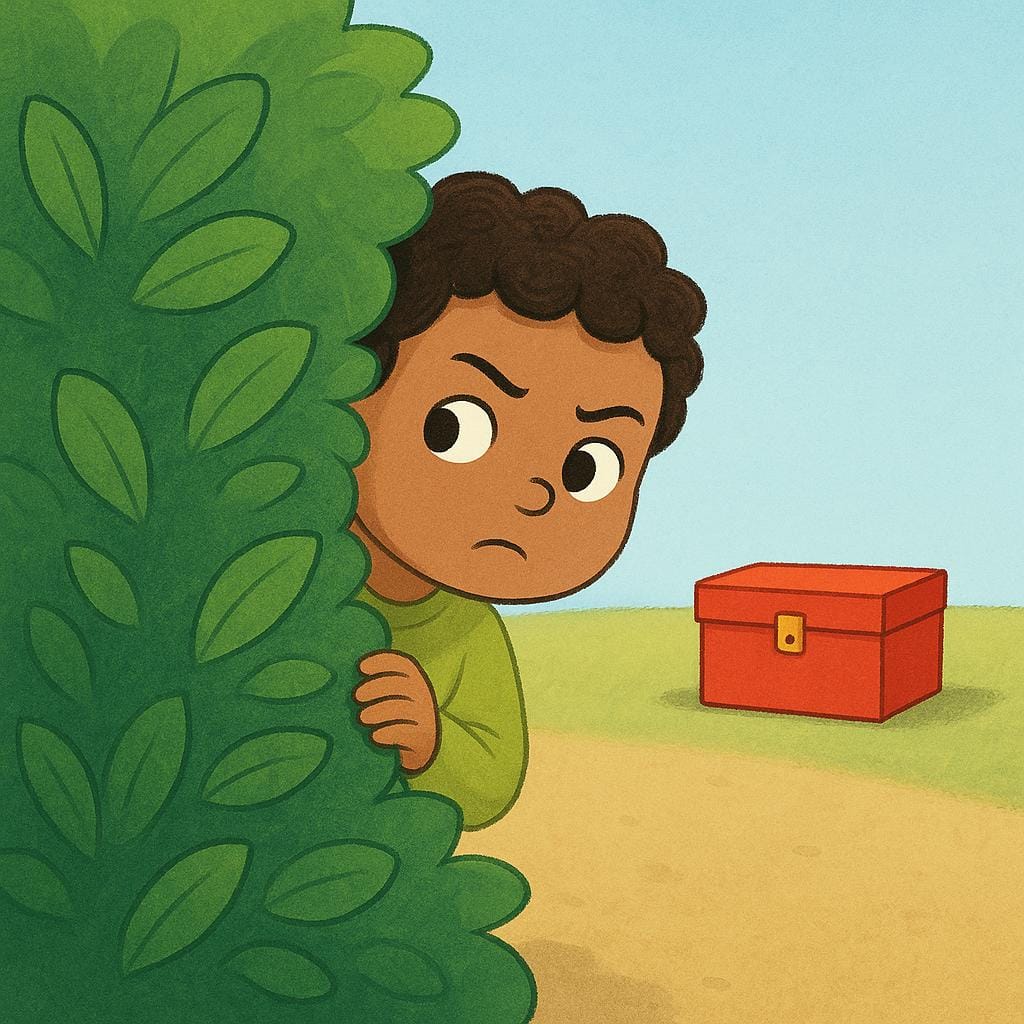
Examples
Tengo serias sospechas sobre la nueva empleada.
I have serious suspicions about the new employee.
Las sospechas del policía resultaron ser ciertas.
The police officer's suspicions turned out to be true.
No hay pruebas, solo sospechas.
There is no proof, just suspicions.
A Note on Gender
Remember that 'sospechas' is the plural of the feminine noun 'sospecha'. You will always use feminine articles or adjectives with it, like 'las sospechas' or 'mis sospechas'.
sombras
SOHM-brasˈsom.bɾas

Examples
La crisis puso muchas sombras sobre el futuro de la empresa.
The crisis cast many doubts on the company's future.
Hay que sacar a la luz las sombras del pasado político.
We must bring the secrets (or dark parts) of the political past to light.
Figurative Extension
This meaning is an easy extension of the physical shadow: just as a shadow conceals things, 'sombras' can mean hidden problems, doubts, or lack of clarity.
Dudas vs. Sospechas vs. Sombras
Related Translations
Learn Spanish with Inklingo
Interactive stories, personalized learning, and more.