How to Say "darkness" in Spanish
The most common Spanish word for “darkness” is “oscuridad” — use this term for the general absence of light, such as at night or when a room is unlit.
oscuridad
os-coo-ree-DAHDoskuɾiˈðað
Examples
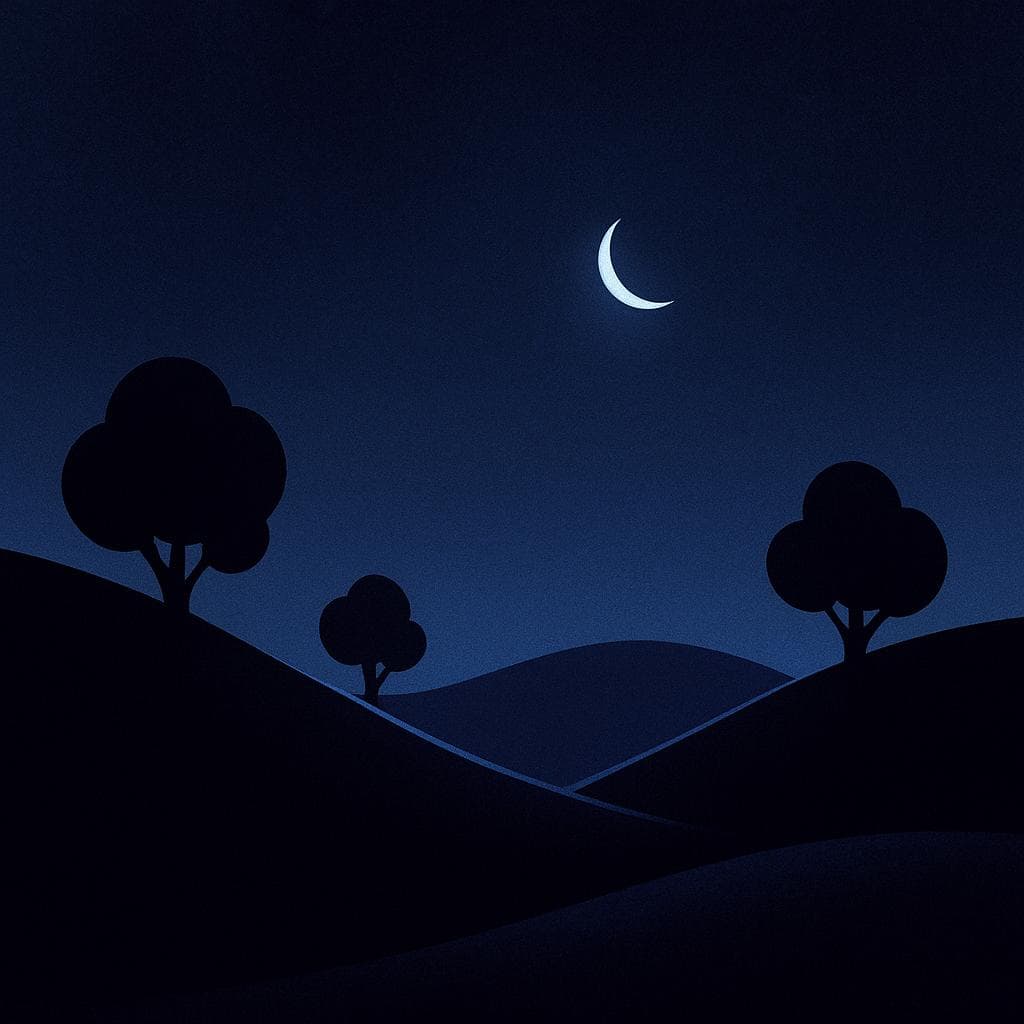
Después del atardecer, la oscuridad cubrió todo el valle.
After sunset, darkness covered the whole valley.
Se fue la luz y tuvimos que caminar en la oscuridad total.
The power went out and we had to walk in total darkness.
Gender Reminder
Remember that 'oscuridad' is always a feminine word. You must use feminine articles and adjectives with it (e.g., 'la oscuridad', 'una oscuridad terrible').
Using 'Oscuro' instead of 'Oscuridad'
Mistake: “Me gusta el oscuro de la noche. (Incorrect: 'el oscuro' is generally used as the color 'dark brown' or 'dark shade'.)”
Correction: Me gusta la oscuridad de la noche. (Correct: Use the noun form 'oscuridad' when referring to the state of being dark.)
oscuro
oh-SKOO-rohosˈkuɾo
Examples
Salimos de la luz y entramos en el oscuro de la caverna.
We left the light and entered the darkness of the cavern.
Trabaja en el oscuro, sin que nadie sepa lo que está haciendo.
He works in the dark, without anyone knowing what he is doing.
Preferred Noun
While 'el oscuro' exists, the most common and standard noun for 'darkness' is the feminine noun 'la oscuridad'. 'El oscuro' is often used poetically or in specific set phrases.
tiniebla
tee-NYEH-blahtiˈnjeβla
Examples
La luz de la vela apenas podía con la tiniebla de la cueva.
The candle light could barely handle the darkness of the cave.
El barco desapareció en las tinieblas de la noche.
The ship disappeared into the shadows of the night.
Tras el apagón, la ciudad quedó sumida en tinieblas.
After the blackout, the city was plunged into darkness.
The Power of Plural
While you can say 'la tiniebla', it is much more common to use the plural form 'las tinieblas' to describe a place that is pitch black.
Noun Gender
This is a feminine word. Always use 'la' or 'las' with it.
Don't confuse with 'fog'
Mistake: “Using 'tiniebla' when you mean 'niebla'.”
Correction: Use 'niebla' for the weather phenomenon (fog) and 'tiniebla' for total absence of light (darkness).
Oscuridad vs. Oscuro
Related Translations
Learn Spanish with Inklingo
Interactive stories, personalized learning, and more.