How to Say "goalkeeper" in Spanish
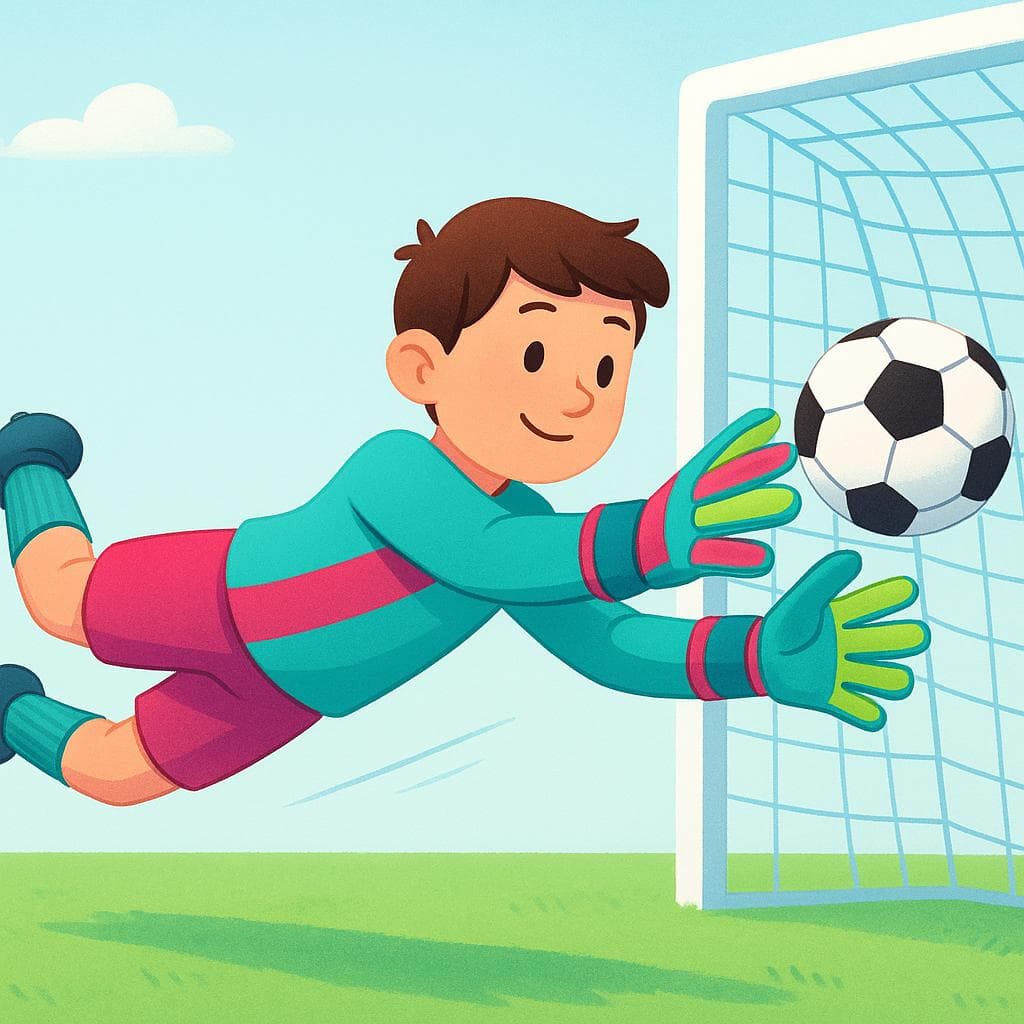
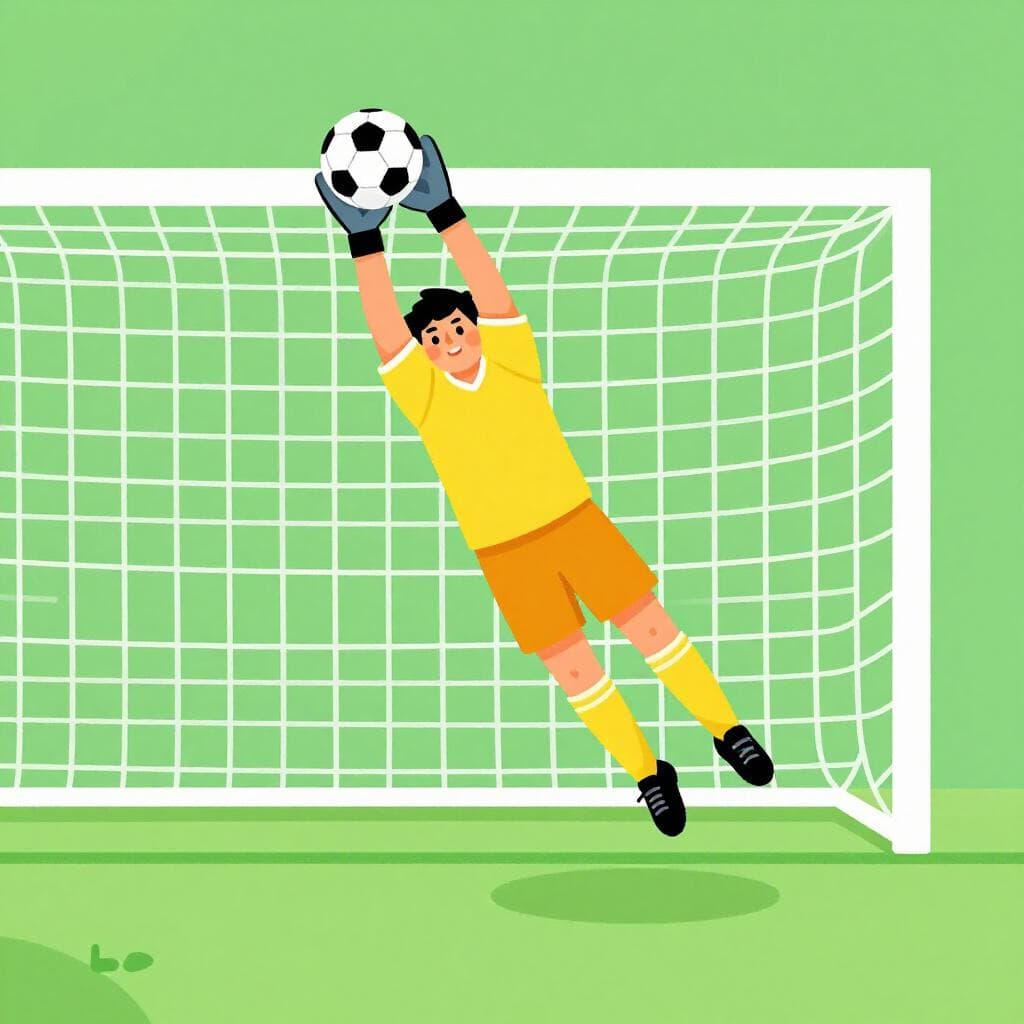
The most common Spanish word for “goalkeeper” is “portero” — use 'portero' when referring to a goalkeeper in most sports, including soccer, hockey, and handball, as it is the most common and general term.
portero
por-TEH-rohpoɾˈteɾo
Examples
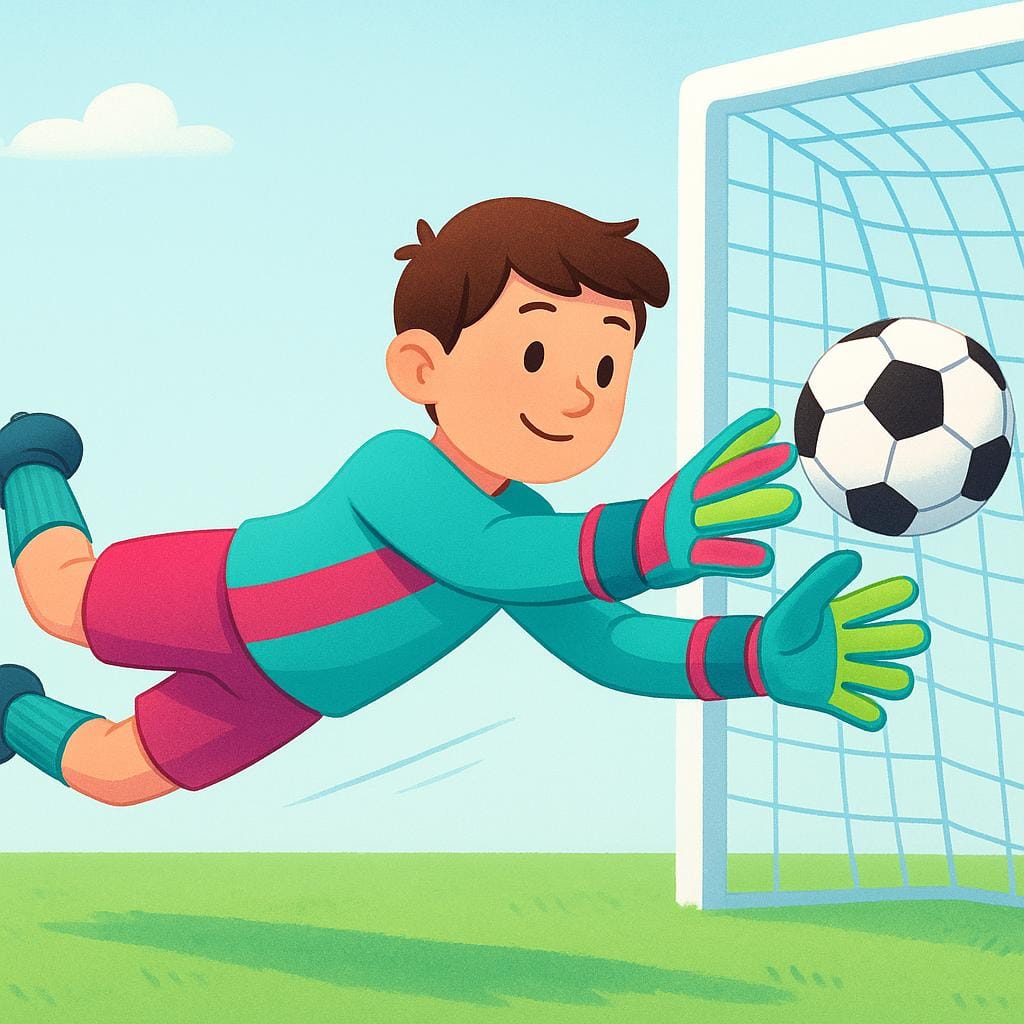
El portero atajó el penalti en el último minuto.
The goalkeeper saved the penalty in the last minute.
Mi hijo quiere ser portero cuando sea grande.
My son wants to be a goalie when he grows up.
Gender Change for People
Since 'portero' refers to a person, it changes form for women: 'la portera'. Remember to change the article ('el' to 'la') too.
arquero
ar-KEH-roharˈkeɾo

Examples
El arquero hizo una atajada increíble en el último minuto.
The goalkeeper made an incredible save in the last minute.
Nuestro arquero titular está lesionado y no podrá jugar el domingo.
Our starting goalie is injured and won't be able to play on Sunday.
Para ser un buen arquero, se necesita mucha agilidad y reflejos rápidos.
To be a good goalkeeper, you need a lot of agility and quick reflexes.
Choosing the right word for the role
While 'arquero' is the standard word in most of Latin America, people in Spain will almost always say 'portero' for a goalkeeper.
Confusing with 'Portero'
Mistake: “Using 'arquero' in Spain to describe a person who guards a building entrance.”
Correction: In Spain, 'portero' means both goalkeeper and doorman. 'Arquero' only refers to the athlete.
Portero vs. Arquero
Related Translations
Learn Spanish with Inklingo
Interactive stories, personalized learning, and more.