How to Say "grabbing" in Spanish
The most common Spanish word for “grabbing” is “cogiendo” — use 'cogiendo' when the action of grabbing refers to picking something up, or more broadly, taking or receiving something, like catching a bus.

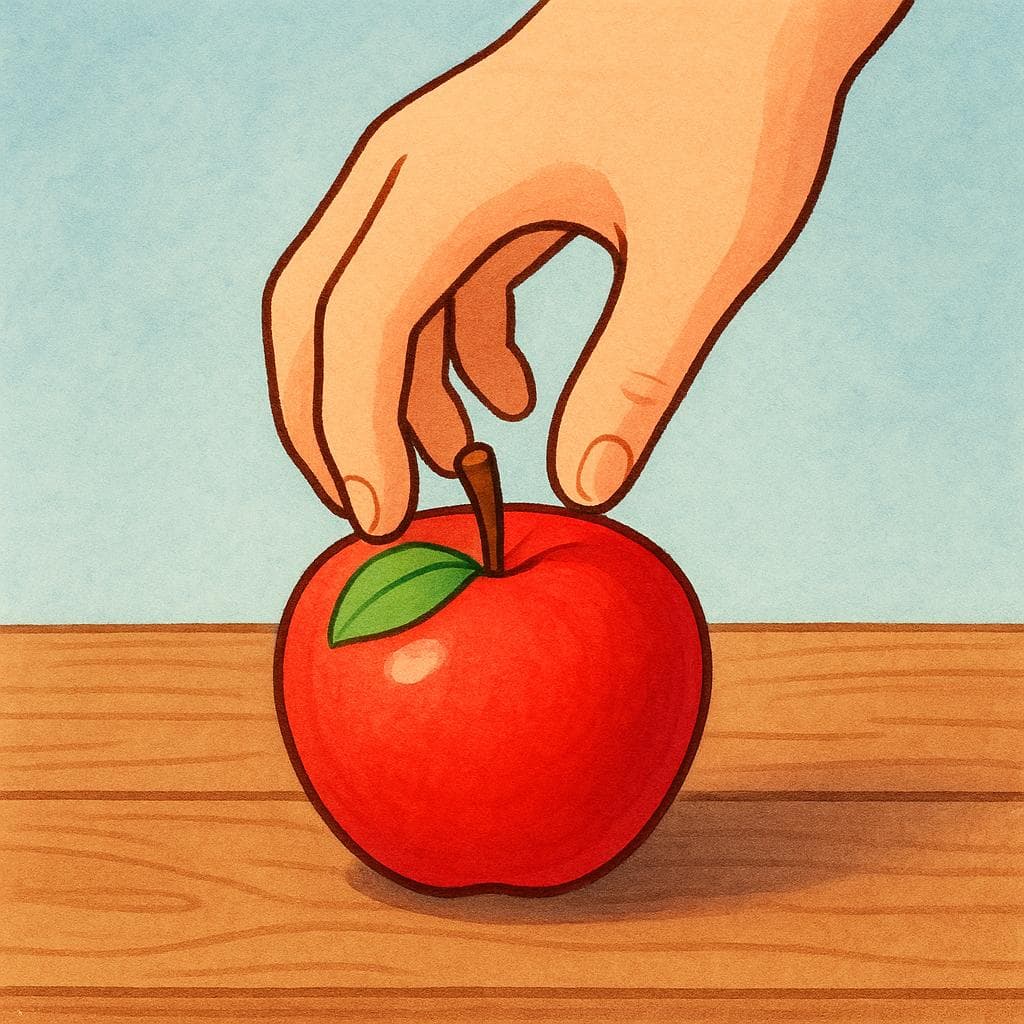
cogiendo
ko-HYEN-dokoˈxjendo

Examples
Estoy cogiendo el autobús para ir al trabajo.
I am taking the bus to go to work.
Él está cogiendo sus cosas de la mesa.
He is grabbing his things from the table.
The '-ing' form
Cogiendo is a special form of the verb 'coger'. You use it with 'estar' (to be) to describe an action that is happening right at this moment.
Regional Sensitivity
Mistake: “Using 'cogiendo' for 'taking a bus' in Mexico.”
Correction: Use 'tomando' instead. In Mexico, 'cogiendo' has a very strong sexual meaning and can be offensive if used in public.
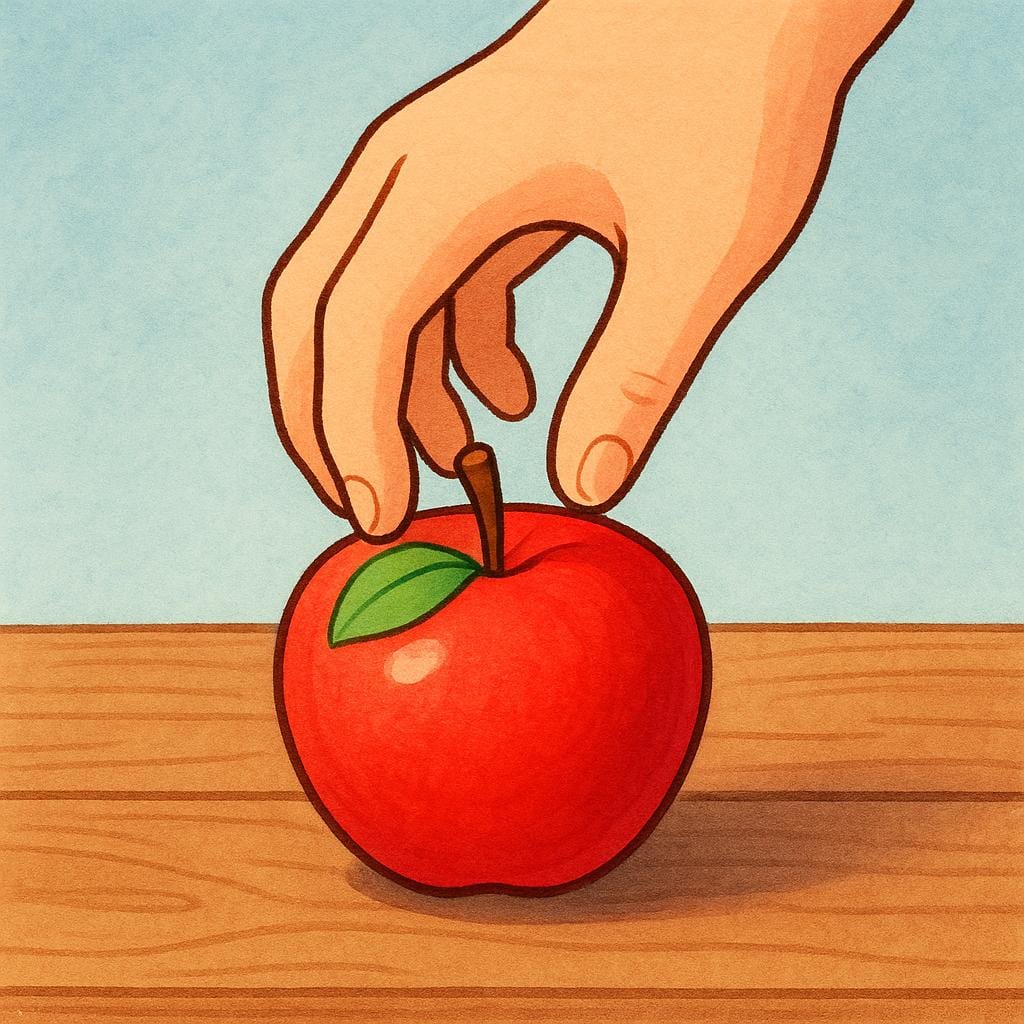
tomando
toh-MAHN-dohtoˈmando
Examples
Mi bebé está tomando mi dedo con mucha fuerza.
My baby is taking/grabbing my finger very tightly.
El presidente está tomando una decisión importante sobre la economía.
The president is making an important decision about the economy.
Ella está tomando notas en la reunión.
She is taking notes in the meeting.
The Continuous Action Form
The word 'tomando' is the '-ing' form (the gerund) of 'tomar'. It always combines with a form of 'estar' (to be) to show something happening right now: 'Estoy tomando' (I am taking).
The Meaning of Tomar
Tomar is one of the most versatile verbs in Spanish. It can mean to take, grab, drink, ride, or even assume a posture or role. Always check the context!
Using 'Tomando' Alone
Mistake: “Tomando mi café.”
Correction: Estoy tomando mi café. (You must use 'estar' to form the continuous tense.)
Confusing 'cogiendo' and 'tomando' for 'grabbing'
Learn Spanish with Inklingo
Interactive stories, personalized learning, and more.