How to Say "holding" in Spanish
The most common Spanish word for “holding” is “teniendo” — use this when 'holding' means the act of possessing or experiencing something, often abstract like luck or a conversation.

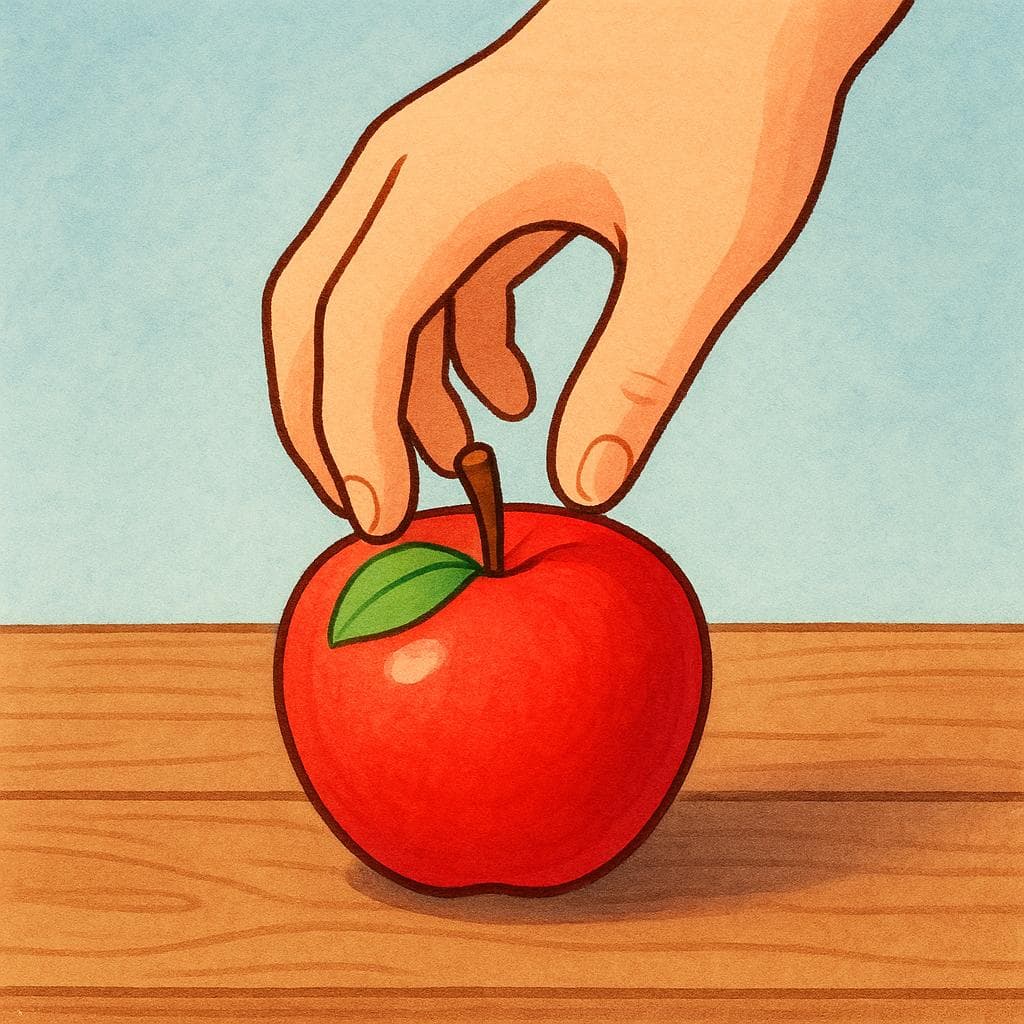


teniendo
teh-NYEN-dohteˈnjendo

Examples
Estamos teniendo mucha suerte en este viaje.
We are having a lot of luck on this trip.
Ella dijo que estaba teniendo un poco de frío.
She said she was feeling a little cold (literally: was having a little cold).
El director no pudo asistir porque estaba teniendo una reunión urgente.
The director couldn't attend because he was having an urgent meeting.
Forming Continuous Actions
Teniendo is the 'gerund' (the -ing form) of 'tener'. To show that the action of having/experiencing is happening right now, you pair it with the verb 'estar': estar + teniendo.
Irregular Gerund
Most Spanish verbs change the ending to -ando or -iendo. 'Tener' is irregular because it keeps the vowel 'e' from its stem, leading to 'teniendo' instead of the expected (but incorrect) 'tiniendo'.
Using 'Teniendo' for Permanent Possession
Mistake: “Estoy teniendo dos coches.”
Correction: Tengo dos coches. (Use the simple present tense (tengo) for things you own permanently, not the continuous form.)
Mispronouncing the 'ie' combination
Mistake: “/teh-nee-en-doh/”
Correction: The combination 'ie' acts as a single sound cluster (a diphthong). Practice saying /teh-NYEN-doh/ as a quick, smooth glide.
tomando
toh-MAHN-dohtoˈmando
Examples
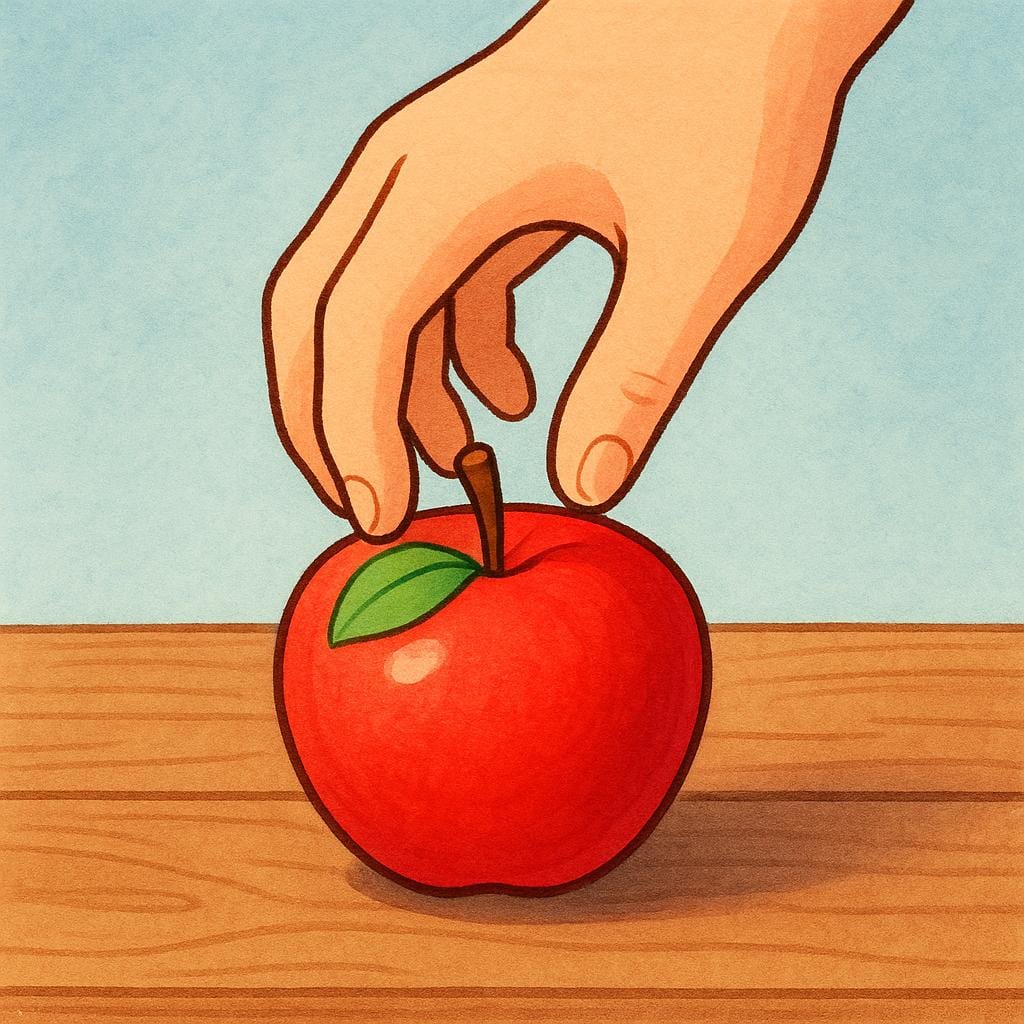
Mi bebé está tomando mi dedo con mucha fuerza.
My baby is taking/grabbing my finger very tightly.
El presidente está tomando una decisión importante sobre la economía.
The president is making an important decision about the economy.
Ella está tomando notas en la reunión.
She is taking notes in the meeting.
The Continuous Action Form
The word 'tomando' is the '-ing' form (the gerund) of 'tomar'. It always combines with a form of 'estar' (to be) to show something happening right now: 'Estoy tomando' (I am taking).
The Meaning of Tomar
Tomar is one of the most versatile verbs in Spanish. It can mean to take, grab, drink, ride, or even assume a posture or role. Always check the context!
Using 'Tomando' Alone
Mistake: “Tomando mi café.”
Correction: Estoy tomando mi café. (You must use 'estar' to form the continuous tense.)
manteniendo
man-ten-YEN-dohmanteˈnjendo

Examples
Estamos manteniendo la casa limpia.
We are keeping the house clean.
Sigue manteniendo su postura sobre el tema.
He continues maintaining his position on the subject.
Él está manteniendo a su familia con dos trabajos.
He is supporting his family with two jobs.
The '-iendo' Ending
This word is the '-ing' form of the verb 'mantener'. It is used to show that the action of keeping or maintaining is happening right now.
Using it with 'Estar'
In Spanish, you almost always pair this word with a helper verb like 'estar' (to be) or 'seguir' (to continue) to say what someone is currently doing.
Don't use it alone
Mistake: “Yo manteniendo la puerta.”
Correction: Estoy manteniendo la puerta. (You need a helper verb like 'estoy' before it.)
celebrando
seh-leh-BRAHN-dohseleˈβɾando

Examples
Estamos celebrando tu cumpleaños.
We are celebrating your birthday.
Ellos están celebrando la victoria en la calle.
They are celebrating the victory in the street.
Pasamos todo el día celebrando.
We spent the whole day celebrating.
The '-ando' Ending
In Spanish, verbs that end in '-ar' change to '-ando' to mean 'doing' something. It's just like adding '-ing' in English.
Using 'Estar'
To say you are currently celebrating, always use a form of 'estar' (to be) before 'celebrando'.
Missing the 'to be' verb
Mistake: “Yo celebrando mi cumpleaños.”
Correction: Estoy celebrando mi cumpleaños. In Spanish, you can't just use the '-ando' form alone to mean 'I am celebrating'; you need the 'am' (estoy) part.
celebración
Examples
La celebración del contrato se retrasó hasta el martes.
The signing (holding) of the contract was delayed until Tuesday.
posesión
Examples
Vendió todas sus posesiones para iniciar una nueva vida.
He sold all his belongings (possessions) to start a new life.
participación
Examples
Ella tiene una participación del diez por ciento en la empresa.
She has a ten percent stake in the company.
Verb vs. Noun for Events
Related Translations
Learn Spanish with Inklingo
Interactive stories, personalized learning, and more.