How to Say "gradually" in Spanish
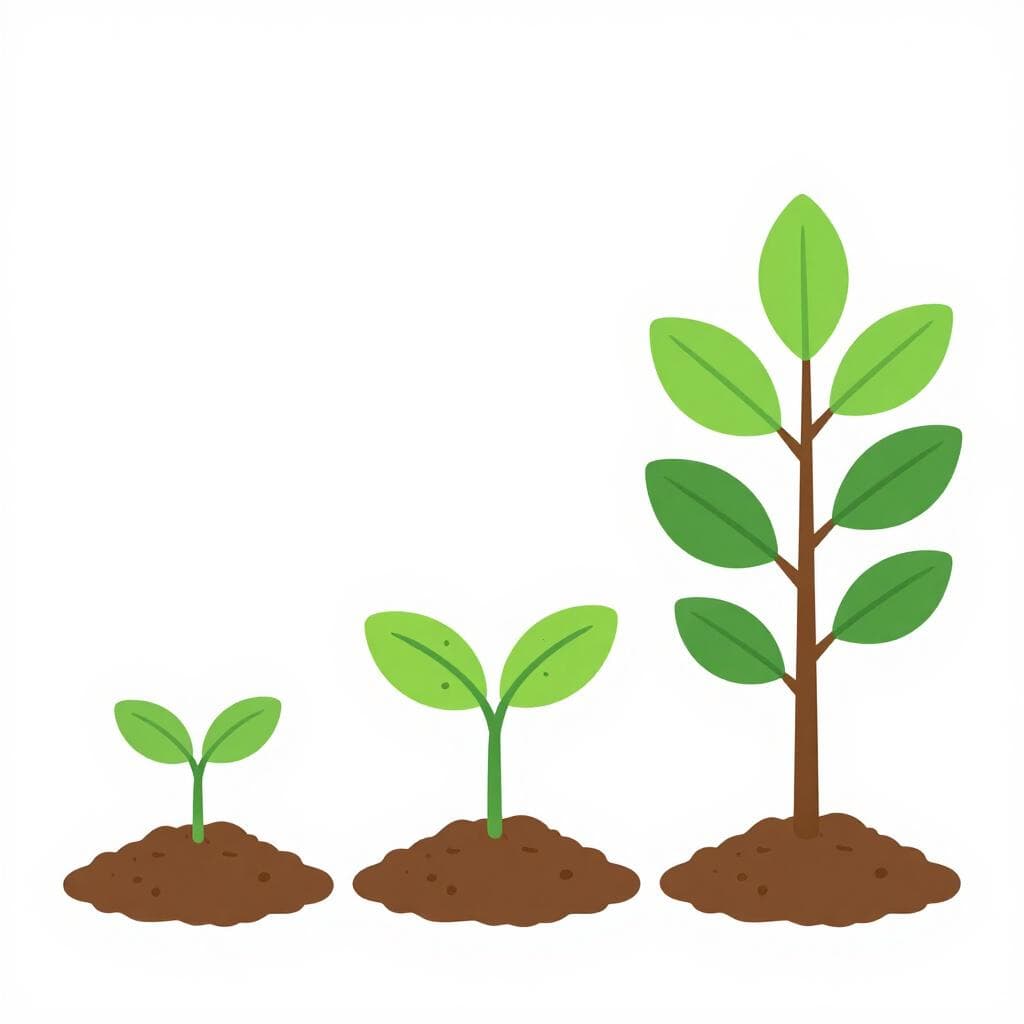
The most common Spanish word for “gradually” is “gradualmente” — use this word when the change is happening slowly and steadily over time, emphasizing the step-by-step nature of the process.


gradualmente
grah-dwahl-MEHN-tehɡɾaðwalˈmente

Examples
El nivel del mar está subiendo gradualmente.
The sea level is rising gradually.
El clima está cambiando gradualmente.
The weather is changing gradually.
Aprendí a hablar español gradualmente con mucha práctica.
I learned to speak Spanish gradually with a lot of practice.
La empresa planea expandirse gradualmente por toda Europa.
The company plans to expand gradually throughout Europe.
The '-mente' Secret
Just like 'ly' in English, adding '-mente' to the end of a feminine adjective (like 'gradual') turns it into a word that describes how an action is done.
Word Order
In Spanish, this word usually sounds most natural right after the action verb or at the very end of your sentence.
Using 'a' or 'de' unnecessarily
Mistake: “Hacerlo de gradualmente.”
Correction: Hacerlo gradualmente. Unlike some phrases, this word stands alone and doesn't need a connecting word before it.
lentamente
len-tah-MEN-tehlentaˈmente

Examples
El tren se movía lentamente hacia la estación.
The train moved slowly towards the station.
El caracol camina lentamente por la hoja.
The snail walks slowly along the leaf.
Por favor, habla más lentamente para que pueda entenderte.
Please speak more slowly so I can understand you.
Las cosas están cambiando lentamente en la empresa.
Things are changing gradually in the company.
The '-mente' Adverb Pattern
In Spanish, you can often turn a describing word (adjective) into an action-describing word (adverb) by taking the feminine form of the adjective (lenta) and adding the ending -mente.
Adverbs are Fixed
Adverbs like 'lentamente' always stay the same. They don't change their ending based on who is doing the action or how many people are involved.
Confusing Adjective and Adverb
Mistake: “Hablo lento. (I speak slow.)”
Correction: Hablo lentamente. (I speak slowly.) The adverb form is needed because you are describing the verb (how you speak), not yourself.
progresivamente
pro-gre-see-bah-MEN-tehpɾoɣɾesiβaˈmente

Examples
La tecnología ha avanzado progresivamente en las últimas décadas.
Technology has advanced progressively in recent decades.
Las temperaturas subirán progresivamente durante la semana.
Temperatures will rise gradually during the week.
Estamos implementando los cambios progresivamente para no causar caos.
We are implementing the changes step by step to avoid causing chaos.
El paciente recuperó la movilidad progresivamente tras la cirugía.
The patient recovered mobility progressively after the surgery.
The -mente Ending
In Spanish, adding '-mente' to the end of a word is just like adding '-ly' in English. It tells you 'how' an action is being done.
Where to Place It
You can place this word right after the action word (verb) or at the very end of your sentence to describe the process.
Changing the Ending
Mistake: “La situación cambió progresiva.”
Correction: La situación cambió progresivamente. Adverbs like this never change their ending to match the person or thing you are talking about; they stay exactly as they are.
Confusing 'lentamente' with other adverbs
Related Translations
Learn Spanish with Inklingo
Interactive stories, personalized learning, and more.