How to Say "hand" in Spanish
The most common Spanish word for “hand” is “mano” — use 'mano' when referring to the body part at the end of your arm or when offering help in a general sense, like 'lend a hand'.
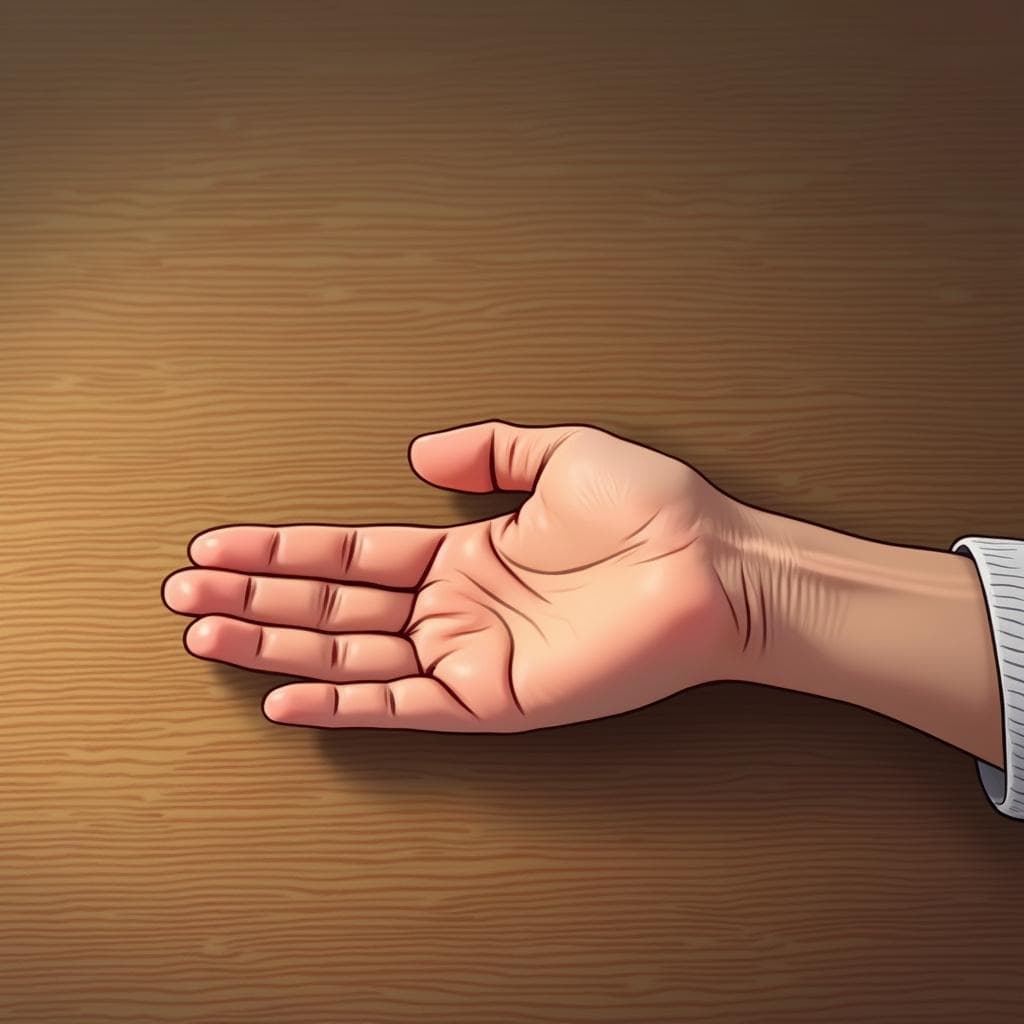
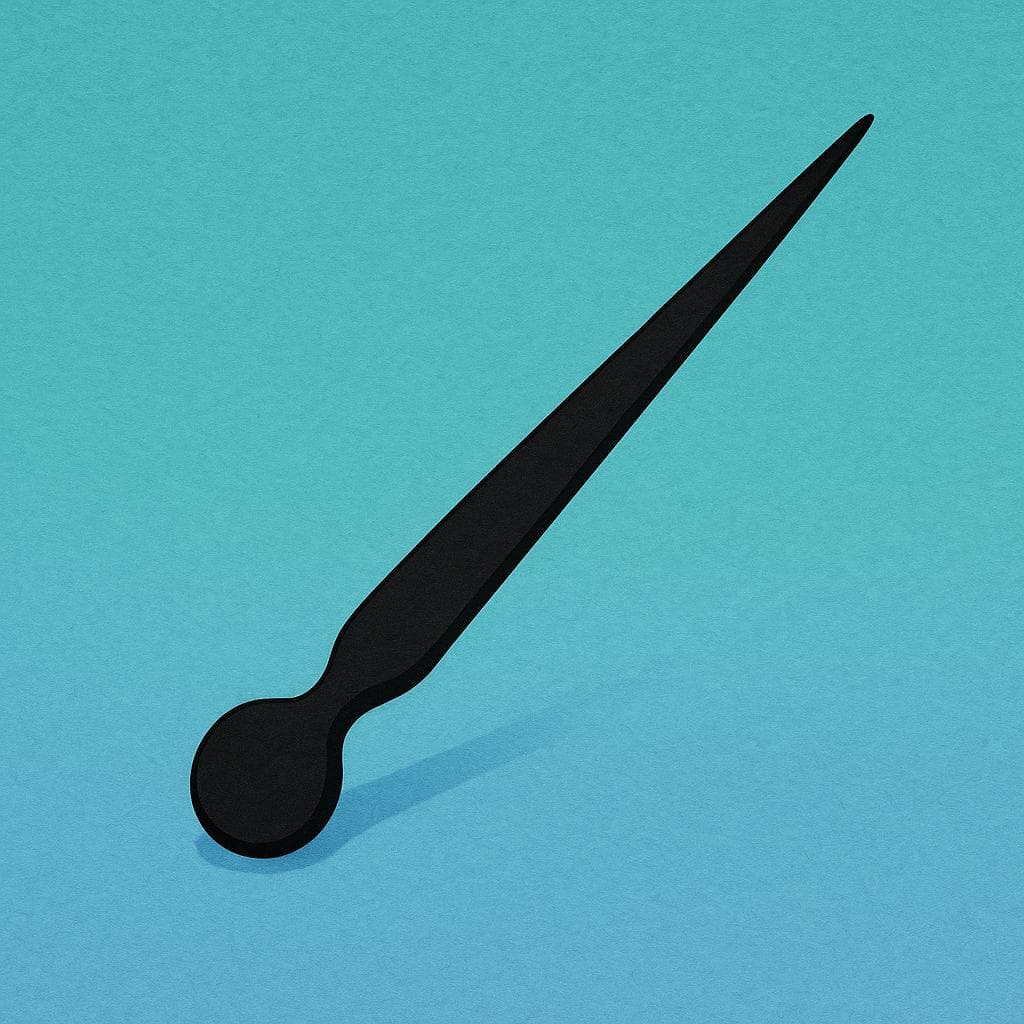

mano
mah-nohˈma.no
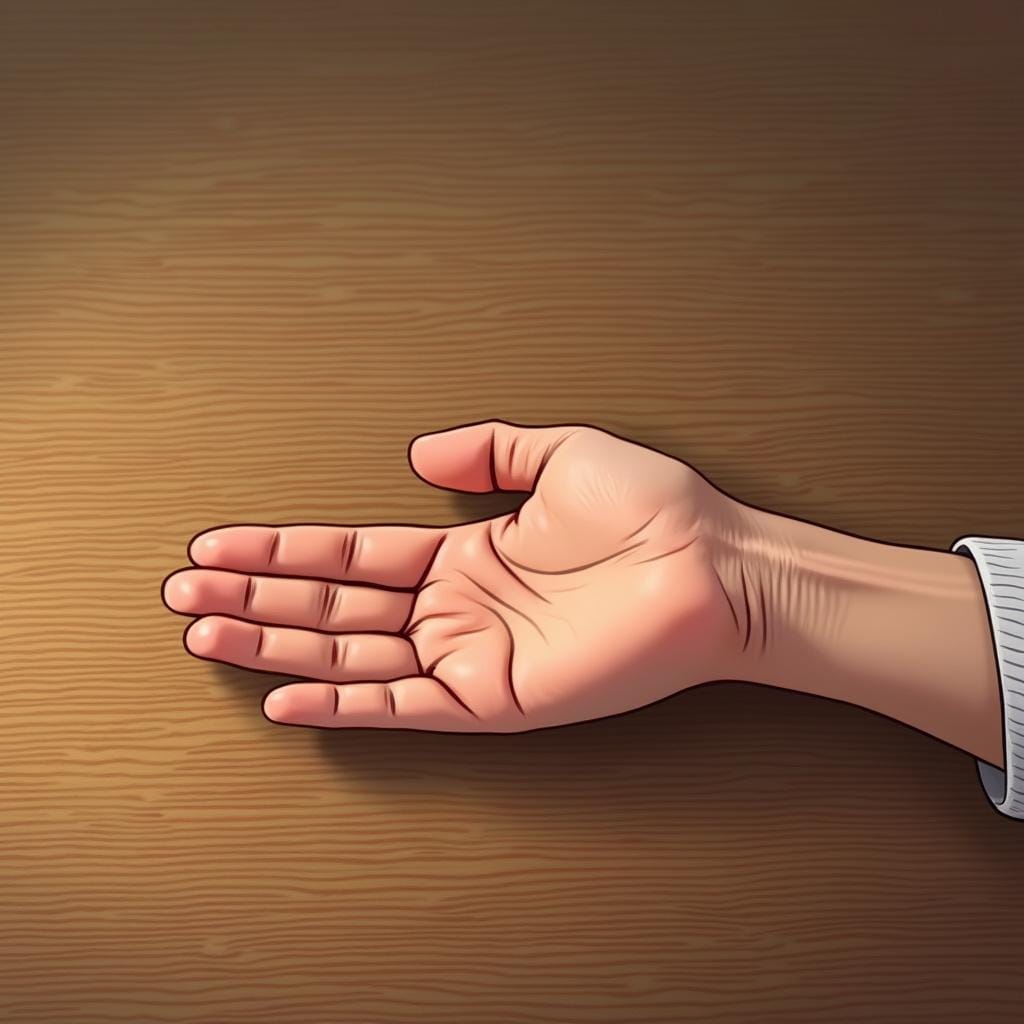
Examples
Lávate las manos antes de comer.
Wash your hands before eating.
Tengo las manos frías.
I have cold hands.
Escribe con la mano derecha.
He writes with his right hand.
¿Me puedes echar una mano con estas bolsas?
Can you give me a hand with these bags?
A Tricky Gender: It's 'la mano'
Heads up! Even though 'mano' ends in '-o', which usually means a word is masculine (an 'el' word), 'mano' is an exception. It's a 'la' word (feminine). Always say 'la mano' or 'una mano'.
Getting the Gender Wrong
Mistake: “Vi un anillo en el mano de la mujer.”
Correction: Vi un anillo en la mano de la mujer. (I saw a ring on the woman's hand.) Remember, 'mano' is always feminine ('la').
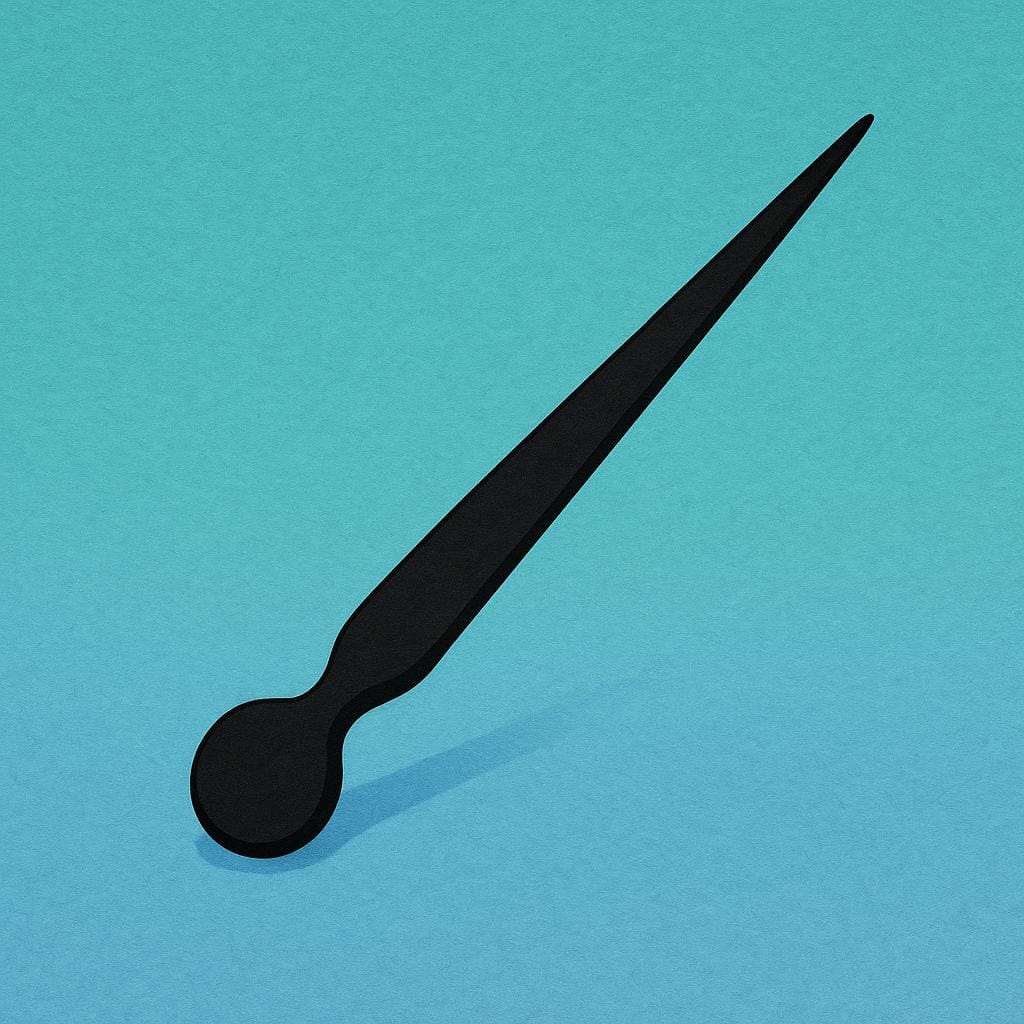
aguja
ah-GOO-hahaˈɣu.xa
Examples
La aguja del reloj se movía muy despacio.
The clock hand was moving very slowly.
Si la aguja de la gasolina está en rojo, tienes que repostar.
If the gas indicator is in the red, you have to refuel.
Metaphorical Use
This meaning extends from the literal 'needle' because clock hands and gauges are long, thin, pointed instruments, just like a sewing needle.
ronda
RRON-dahˈron.da

Examples
¿Quién paga la próxima ronda?
Who is paying for the next round (of drinks)?
Perdí todas mis fichas en la última ronda de póker.
I lost all my chips in the last hand of poker.
Don't confuse 'mano' with 'aguja'
Related Translations
Learn Spanish with Inklingo
Interactive stories, personalized learning, and more.