How to Say "hanging" in Spanish
The most common Spanish word for “hanging” is “colgando” — use 'colgando' when describing the action of something being physically suspended or dangling in mid-air.

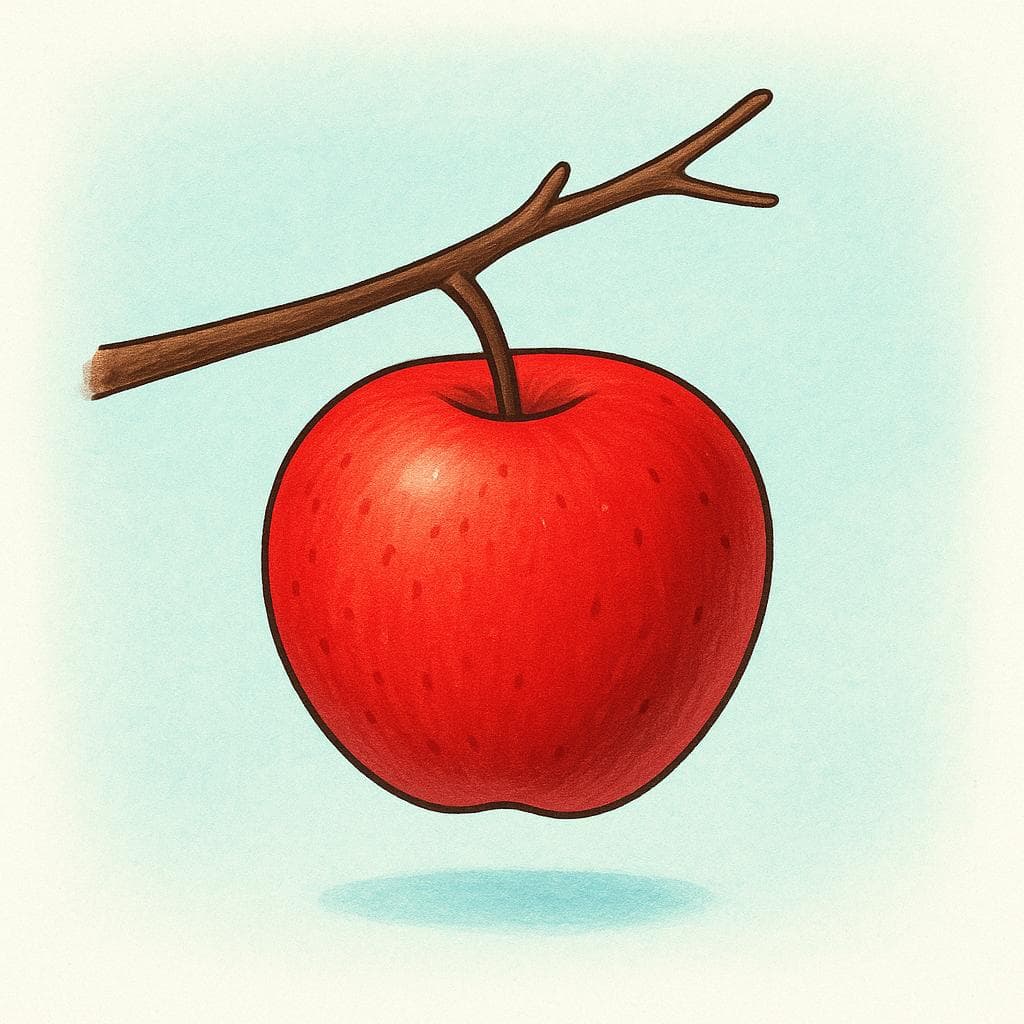
colgando
kol-GAN-dokolˈɣan.do

Examples
El abrigo estaba colgando de la percha.
The coat was hanging from the hanger.
El mono estaba colgando de una rama con una sola mano.
The monkey was hanging from a branch with a single hand.
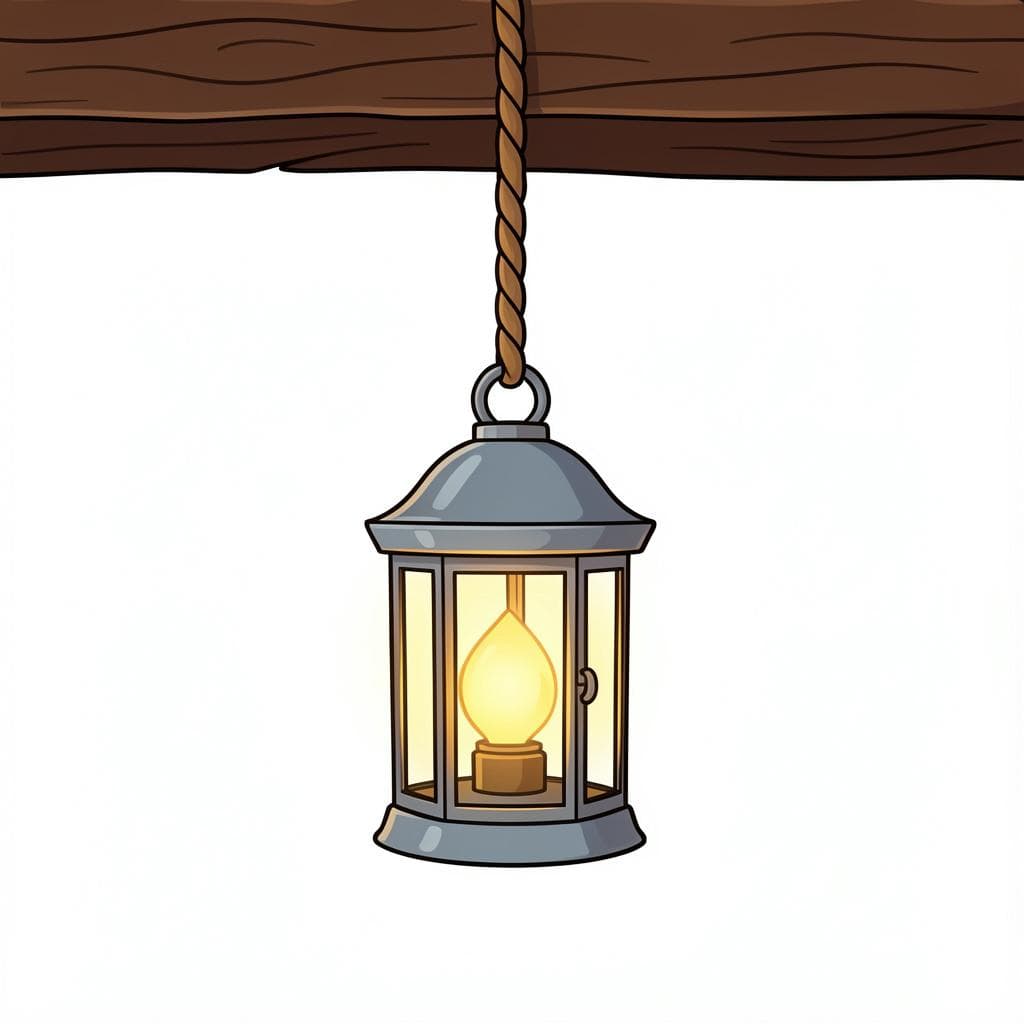
La lámpara antigua está colgando justo encima de la mesa.
The antique lamp is hanging right above the table.
Ten cuidado, el cable está colgando peligrosamente.
Be careful, the wire is dangling dangerously.
Use with ESTAR
The gerund 'colgando' is most often used with the verb 'estar' to describe an ongoing state or action: 'La foto está colgando torcida' (The photo is hanging crooked).
Stem Change Confusion
Mistake: “Using 'colgando' to describe the simple present action of *colgar* (e.g., *Yo estoy colgando la ropa* when you mean *Yo cuelgo la ropa*).”
Correction: Remember that *colgando* describes something happening right now (progressive action). For habitual actions, use the normal present tense form: 'Yo cuelgo la ropa todos los días' (I hang the clothes every day).
colgado
kol-GAH-dohkolˈɡaðo
Examples
Dejó el cuadro colgado en la pared del salón.
He left the picture hanging on the living room wall.
Ten cuidado, ese cable está colgado y podría caerse.
Be careful, that wire is hanging loose and could fall.
Agreement with Ser/Estar
When used as an adjective, 'colgado' must match the noun in gender (o/a) and number (s/es). It is almost always used with 'estar' because it describes a temporary state (being hung).
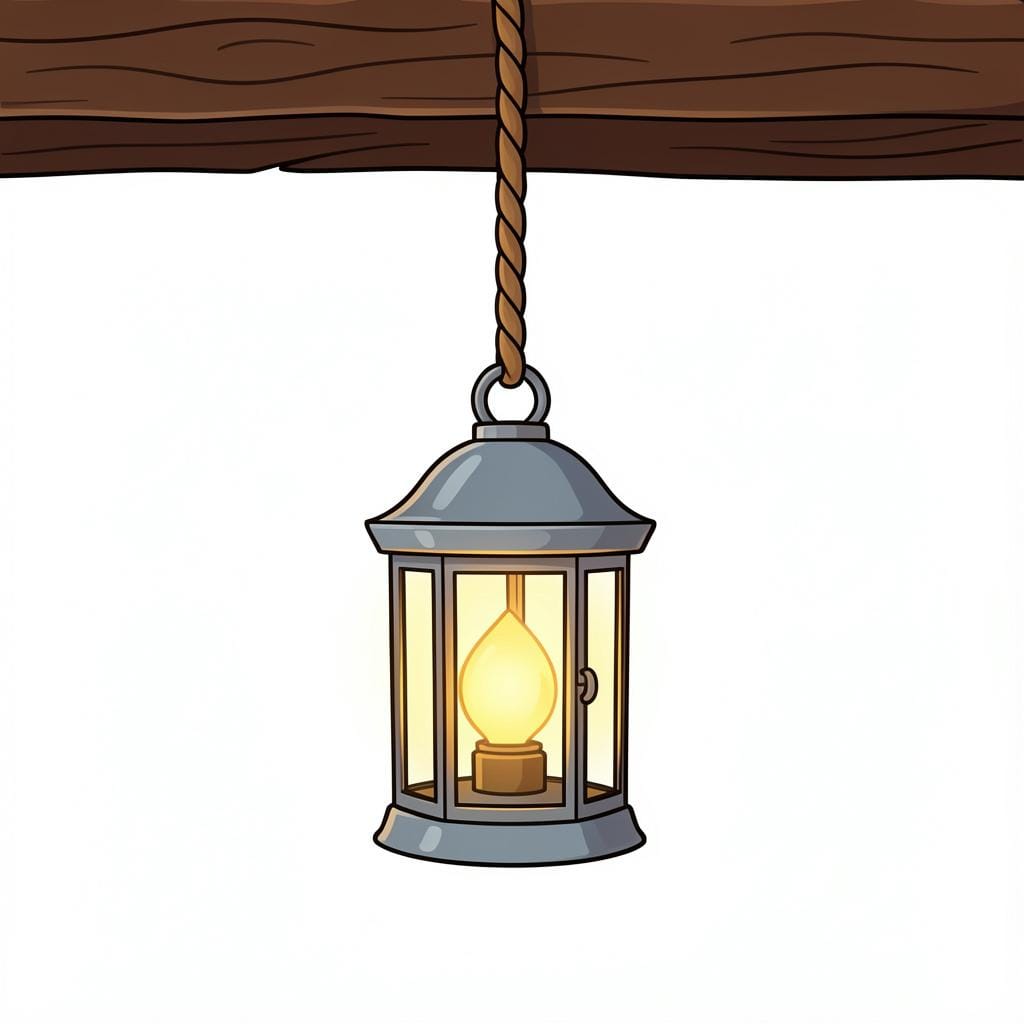
suspendido
soos-pen-DEE-dohsuspenˈdiðo
Examples
Es un puente suspendido sobre el abismo.
It is a bridge hanging over the abyss.
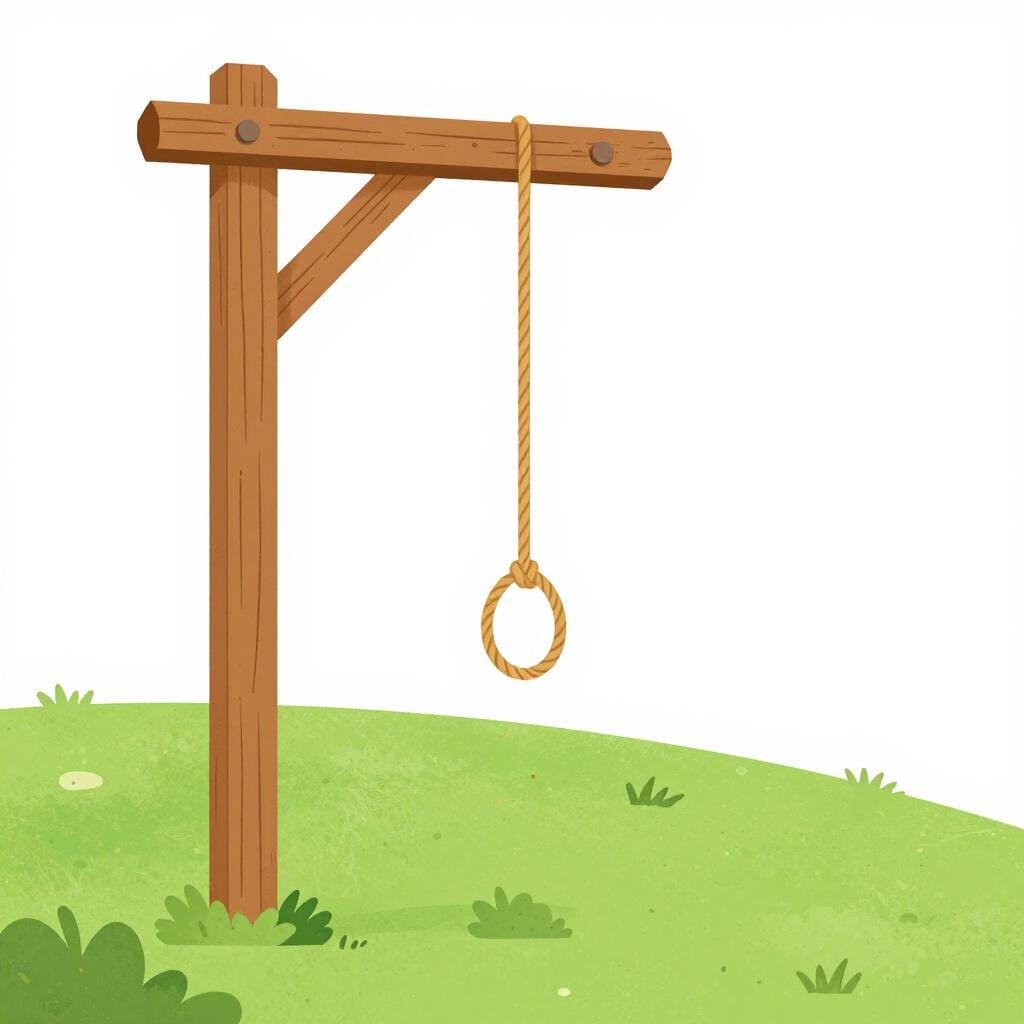
horca
OR-kahˈoɾka
Examples
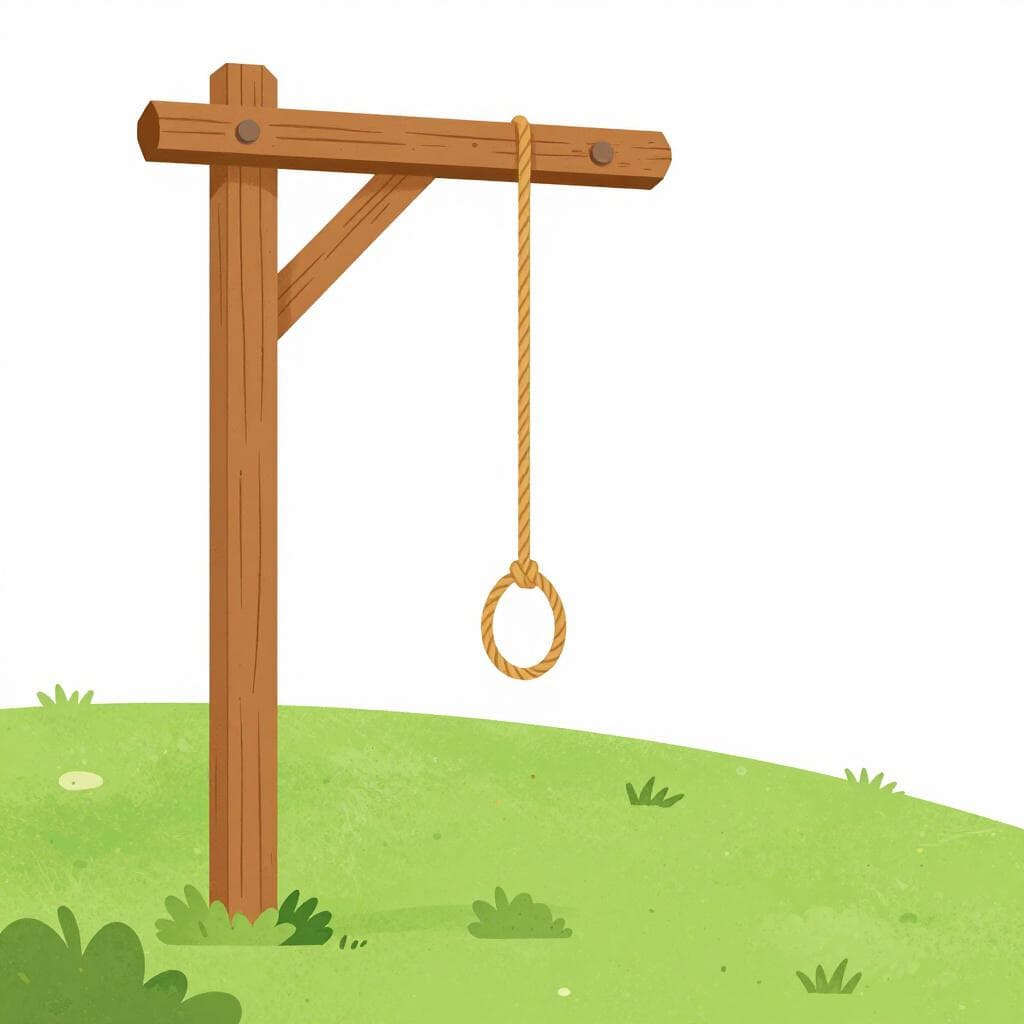
El pirata fue condenado a morir en la horca.
The pirate was sentenced to die on the gallows.
La horca se encontraba en la plaza principal del pueblo.
The gallows was located in the town's main square.
Muchos prisioneros escaparon de la horca en el último minuto.
Many prisoners escaped the gallows at the last minute.
Always Feminine
Even though it starts with an 'h', it is always 'la horca'. The rule that changes 'la' to 'el' only happens with words starting with a stressed 'a' or 'ha' sound, like 'el hacha'.
Silent H
Mistake: “Pronouncing it as 'jor-ka'.”
Correction: The 'h' is completely silent in Spanish. Pronounce it starting with the 'o' sound: 'or-ka'.
Action vs. State
Related Translations
Learn Spanish with Inklingo
Interactive stories, personalized learning, and more.