How to Say "stuck" in Spanish
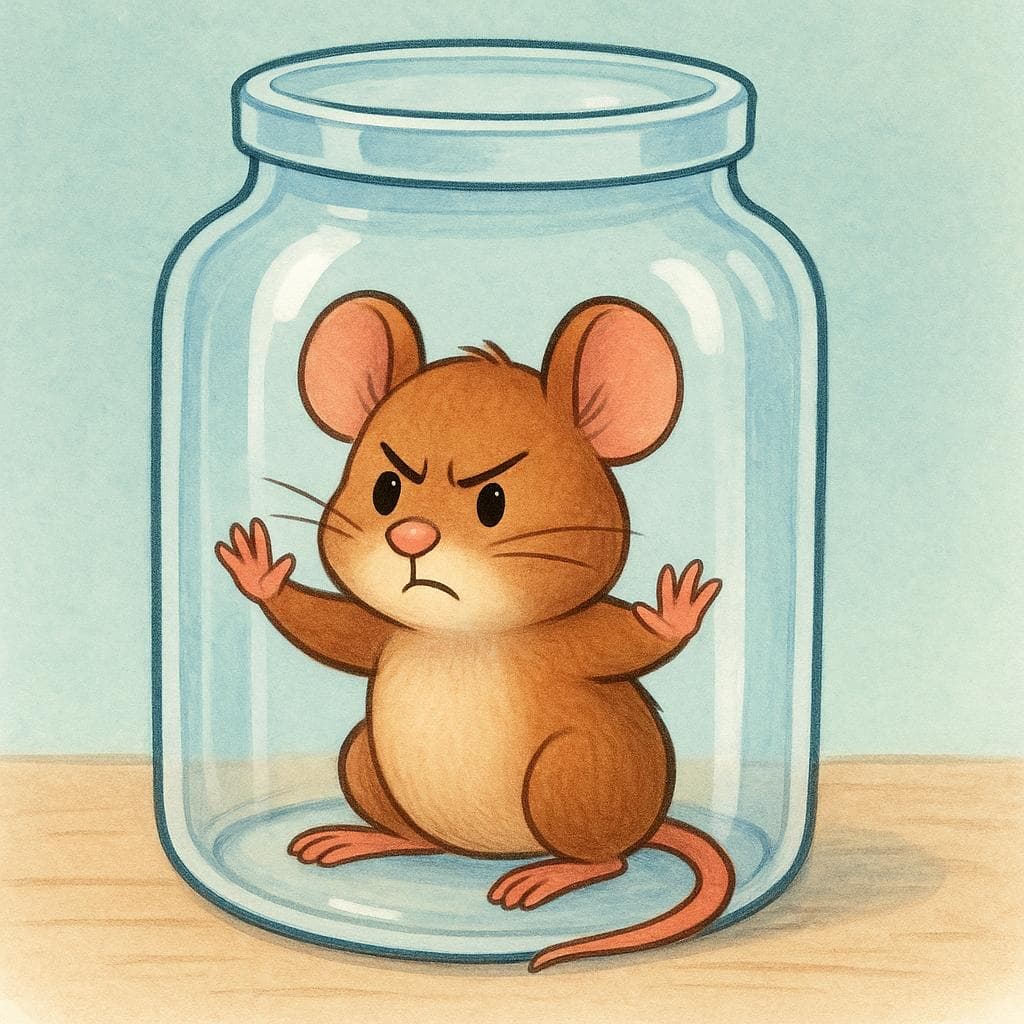
The most common Spanish word for “stuck” is “pegado” — use 'pegado' when something is physically adhered or stuck to a surface, like gum on a shoe.







pegado
peh-GAH-dohpeˈɣa.ðo

Examples
El chicle se quedó pegado al zapato.
The chewing gum stayed stuck to the shoe.
Necesitas quitar el papel que está pegado a la ventana.
You need to remove the paper that is glued to the window.
Hemos pegado todos los sellos al sobre.
We have stuck all the stamps on the envelope.
Nunca le había pegado a nadie.
He had never hit anyone.
Using 'Estar' vs. 'Ser'
Use 'estar' with 'pegado' (e.g., 'está pegado') when describing the temporary state of something being stuck, which is the most common use.
Forming Perfect Tenses
The word 'pegado' is the form you use after a conjugated form of 'haber' (to have) to describe actions completed in the past, like 'he pegado' (I have stuck/hit).
Spelling Change in 'Pegar'
The verb 'pegar' adds a 'u' before the 'e' sound in certain forms (like 'pegué' or 'pegue') to keep the hard 'g' sound, otherwise it would sound like 'peje'.
Gender Agreement
Mistake: “Las fotos está pegado.”
Correction: Las fotos están pegadas. Remember 'pegado' is an adjective, so it must match the thing it describes in gender and number.
atascado
ah-tahs-KAH-dohatasˈkaðo

Examples
Estoy atascado con este ensayo; no sé cómo terminarlo.
I'm stuck on this essay; I don't know how to finish it.
El desagüe está completamente atascado y no pasa el agua.
The drain is completely clogged and the water won't go through.
Estuvimos atascados en el tráfico por dos horas.
We were stuck in traffic for two hours.
La puerta del coche se quedó atascada y no pude abrirla.
The car door got jammed and I couldn't open it.
Adjective from a Verb
This word is the 'past participle' of the verb 'atascar' (to clog or jam). It works like an adjective, describing the state of being clogged or stuck.
Using ESTAR
Because 'atascado' describes a temporary state (a pipe wasn't always clogged), it almost always pairs with the verb 'estar' (to be) to show that current condition: 'El tubo está atascado.'
Figurative Use
This meaning uses the idea of a physical blockage (like traffic) to describe a mental or emotional block, or bureaucratic delay.
Mixing up SER and ESTAR
Mistake: “El baño es atascado.”
Correction: El baño está atascado. (Use 'estar' because being stuck is a temporary state, not a permanent characteristic.)
bloqueado
blo-kay-AH-thoblo.keˈa.ðo

Examples
Me quedé bloqueado en el examen y no recordaba nada.
My mind went blank during the exam and I didn't remember anything.
El acceso a la calle está bloqueado por el camión.
Access to the street is blocked by the truck.
Mi cuenta del banco está bloqueada y no puedo sacar dinero.
My bank account is frozen and I can't take out money.
He bloqueado a mi ex en todas las redes sociales.
I have blocked my ex on all social media.
Using with 'Estar'
Since being 'blocked' is usually a result of an action or a temporary state, we almost always use the verb 'estar' (to be) with this word.
Matching Gender
Remember to change the ending to 'bloqueada' if the thing you are describing is feminine, like 'la calle' (the street).
The verb 'quedarse'
We often use 'quedarse' (to stay/become) with bloqueado to describe the moment your mind suddenly stops working.
Frozen vs. Blocked
Mistake: “Using 'helado' for a frozen bank account.”
Correction: Use 'bloqueado' for digital or financial accounts; 'helado' is only for things that are cold like ice cream!
metido
meh-TEE-dohmeˈtiðo

Examples
El cable estaba metido detrás del sofá.
The cable was stuck behind the sofa.
La carta ya está metida en el buzón.
The letter is already placed in the mailbox.
Agreement is Key
Since 'metido' is acting as an adjective here, make sure its ending matches the thing you are describing: 'La llave está metida' (feminine) or 'Los zapatos están metidos' (plural).
Using the wrong verb
Mistake: “Usar 'ser metido' (to be put/stuck).”
Correction: Use 'estar metido' because being 'stuck' or 'placed' is a state or location, not a permanent characteristic.
atrapado
ah-trah-PAH-doha.tɾaˈpa.ðo
Examples
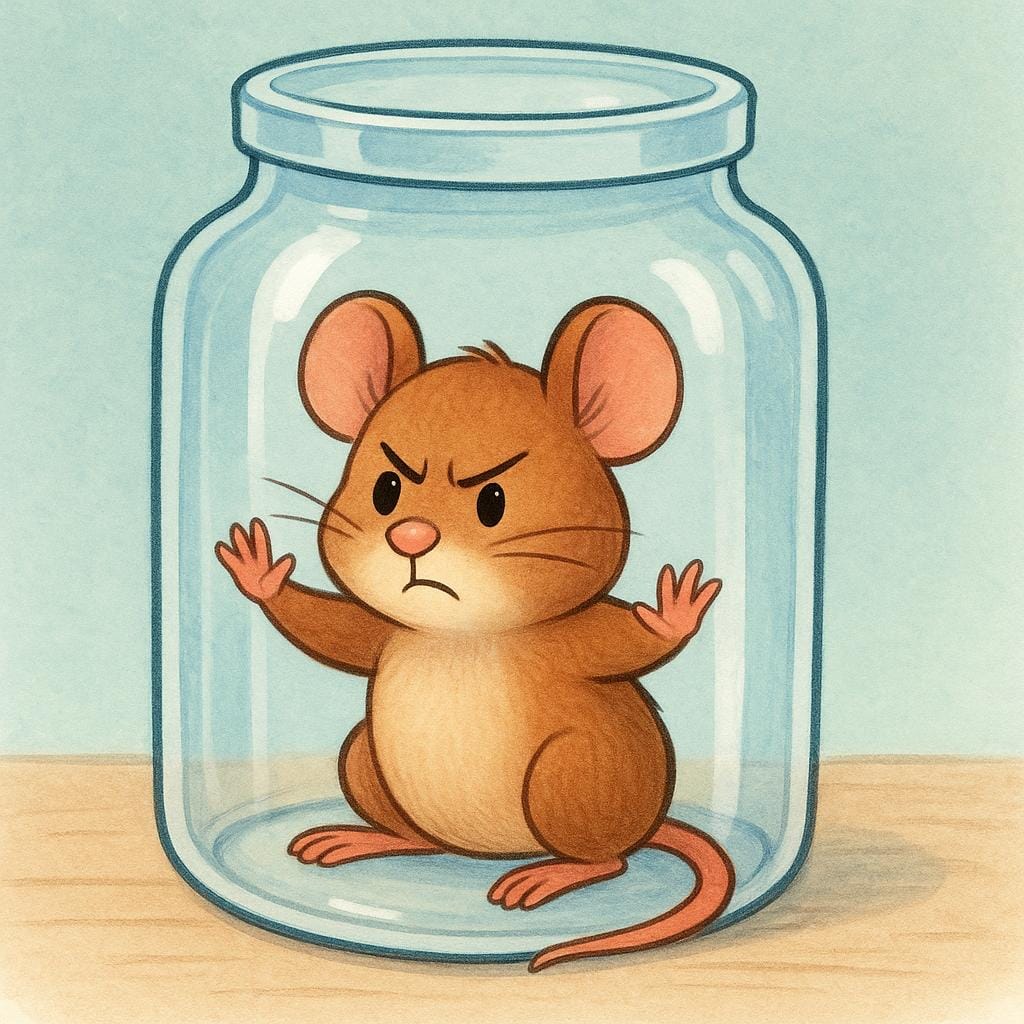
El gato estaba atrapado en el árbol.
The cat was trapped in the tree.
Encontraron al ladrón atrapado por la policía.
They found the thief caught by the police.
La pelota quedó atrapada entre las rocas.
The ball got stuck between the rocks.
Me siento atrapado en este trabajo sin futuro.
I feel stuck in this dead-end job.
Agreement is Key
Like all Spanish describing words, 'atrapado' must change its ending to match the person or thing it describes: 'atrapado' (masculine singular), 'atrapada' (feminine singular), 'atrapados' (masculine plural), and 'atrapadas' (feminine plural).
Using 'Ser'
Mistake: “Soy atrapado.”
Correction: You must use 'estar' (Estoy atrapado) because being trapped is a temporary state or condition, not a permanent characteristic like height or personality.
pegó
Examples
Usó pegamento fuerte y la foto pegó de inmediato.
He used strong glue and the photo stuck immediately.
colgado
kol-GAH-dohkolˈɡaðo

Examples
La aplicación se quedó colgada justo cuando iba a guardar mi trabajo.
The application froze just when I was about to save my work.
Cuando la pantalla se pone colgada, tienes que reiniciar el equipo.
When the screen gets stuck/frozen, you have to restart the equipment.
The 'Stuck' Feeling
This meaning comes from the idea of being physically suspended and unable to move. It is almost always used with the verb 'quedarse' (to remain/become) to describe the process of getting stuck: 'se quedó colgado'.
colgando
kol-GAN-dokolˈɣan.do

Examples
Tenemos varios proyectos importantes que quedaron colgando.
We have several important projects that were left pending/unresolved.
La computadora se quedó colgando y tuve que reiniciarla.
The computer got stuck/froze and I had to restart it.
Use with QUEDAR
When used with the verb 'quedar' (to remain/to be left), 'colgando' describes the state of being unfinished or unresolved: 'El tema quedó colgando' (The topic was left unresolved).
enterrado
en-teh-RRAH-dohenteˈrado

Examples
Estuve todo el fin de semana enterrado en la biblioteca estudiando para el examen.
I was buried in the library studying for the exam all weekend.
Esa vieja discusión debe quedar enterrada; ya no es relevante.
That old argument must stay forgotten; it's no longer relevant.
Using 'Estar' for State
When 'enterrado' means 'deeply absorbed' or 'stuck,' it is almost always used with the verb 'estar' (to be) to describe a temporary state or condition: 'Ella está enterrada en su novela.'
Physical vs. Mental 'Stuck'
Learn Spanish with Inklingo
Interactive stories, personalized learning, and more.