How to Say "hit" in Spanish
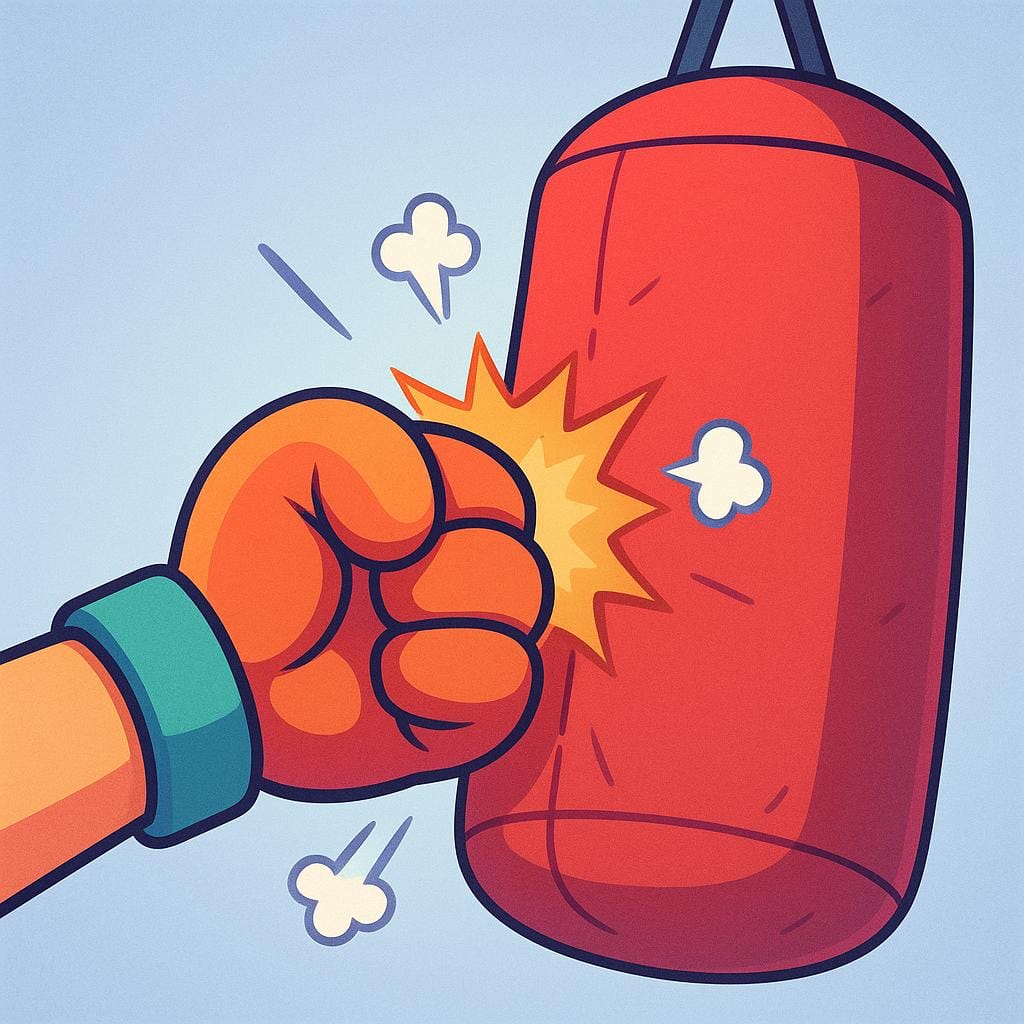
The most common Spanish word for “hit” is “golpe” — use this for a general physical strike, blow, or impact, the most common way to translate 'hit' physically.




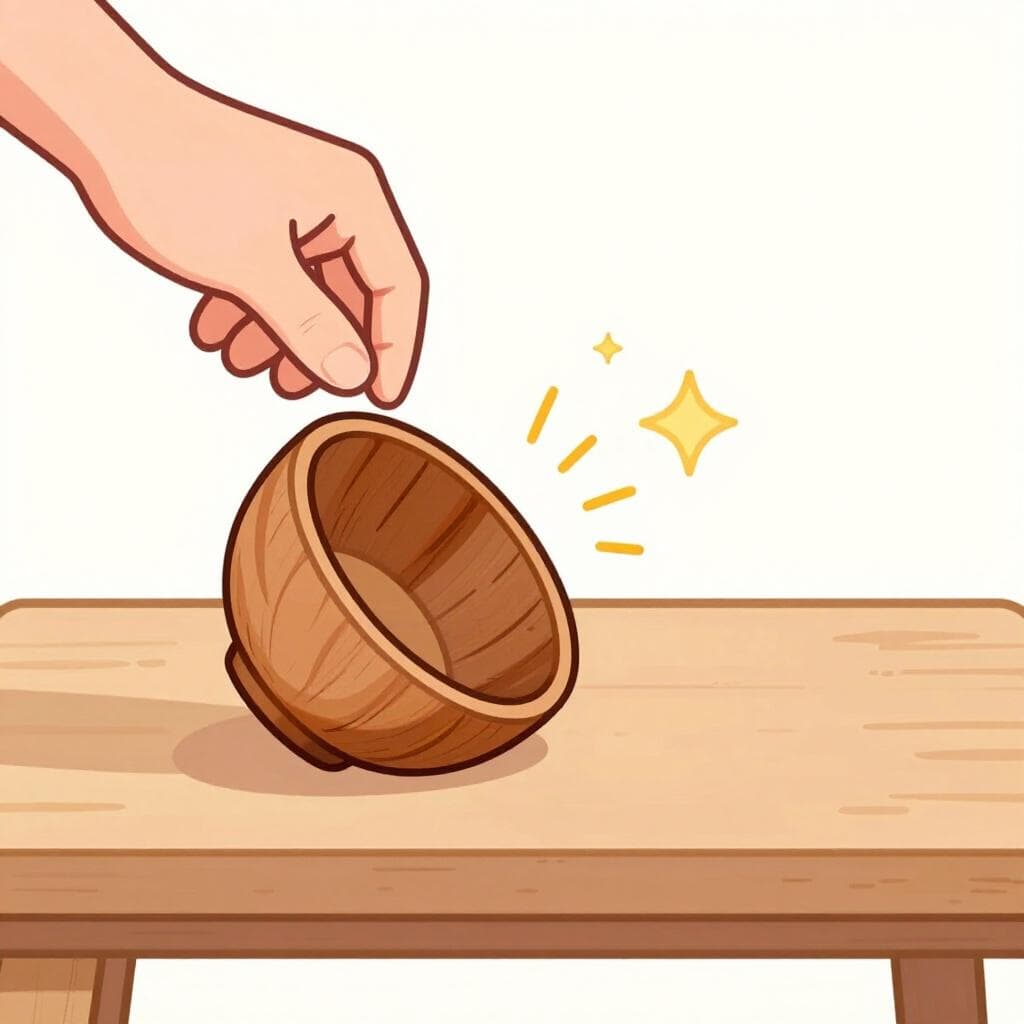

golpe
GOHL-pehˈɡolpe
Examples
Recibió un fuerte golpe en la cabeza al caer.
He received a strong blow to the head when falling.
Oímos un golpe en la puerta y fuimos a abrir.
We heard a knock at the door and went to open it.
La caja se cayó con un gran golpe.
The box fell with a big thump/bang.
Masculine Noun Rule
Even though 'golpe' ends in 'e', it is always a masculine noun, meaning you must use 'el' or 'un' before it (e.g., el golpe, un golpe).
Confusing 'Golpear'
Mistake: “Using 'golpear' (the verb, to hit) instead of the noun 'golpe' when describing the action itself, like saying 'el golpear' for 'a hit'.”
Correction: Use the noun: 'Fue un golpe muy fuerte.' (It was a very strong hit.)
golpeó
Examples
El coche rojo golpeó el muro de contención.
The red car hit the retaining wall.
pegó
Examples
El boxeador le pegó un golpe terrible.
The boxer hit him with a terrible blow.
éxito
Examples
Esa canción fue el mayor éxito del verano.
That song was the biggest hit of the summer.
exitoso
eh-hee-TOH-soheksiˈtoso

Examples
Ella es una abogada muy exitosa en Madrid.
She is a very successful lawyer in Madrid.
El lanzamiento del nuevo producto fue muy exitoso.
The launch of the new product was very successful.
Queremos tener un negocio exitoso.
We want to have a successful business.
Matching Gender and Number
This word changes its ending to match the person or thing you are describing. Use 'exitoso' for one male/masculine thing, 'exitosa' for one female/feminine thing, and add an 's' for plurals (exitosos/exitosas).
Using with 'Ser'
Since success is often seen as a characteristic or a lasting state, we almost always use the verb 'ser' (to be) instead of 'estar'.
The 'Exit' Confusion
Mistake: “Using 'exitoso' to mean someone is near an 'exit' (doorway).”
Correction: The word for a physical 'exit' is 'salida'. 'Exitoso' only refers to achievement and success.
golpeado
gol-pe-AH-doɡolpeˈaðo

Examples
Hemos golpeado la puerta sin querer.
We have hit the door accidentally.
La campana fue golpeada por el sacristán.
The bell was struck by the sexton.
¿Quién ha golpeado el balón tan fuerte?
Who has hit the ball so hard?
Perfect Tenses
The form 'golpeado' is combined with the verb 'haber' (to have) to create perfect tenses, which describe actions completed in the past, like 'He golpeado' (I have hit).
Passive Voice
When used with the verb 'ser' (to be), it describes an action being done to the subject. In this case, it acts like an adjective and must agree in gender and number (e.g., 'La pelota fue golpeada').
Using 'Estar' for Perfect Tenses
Mistake: “Yo estoy golpeado la mesa.”
Correction: Yo he golpeado la mesa. (Always use 'haber' for forming perfect tenses, not 'estar'.)
acierto
ah-SYEHR-tohaˈsjeɾto

Examples
Tuvo tres aciertos en la lotería.
He had three hits (correct numbers) in the lottery.
He tenido cinco aciertos en el examen de conducir.
I had five correct answers on the driving test.
Contratar a esa nueva empleada fue un gran acierto.
Hiring that new employee was a great success.
Sus palabras estuvieron llenas de acierto y prudencia.
His words were full of wisdom and caution.
Masculine Naming Word
Acierto is masculine, so always use 'el' or 'un' with it (e.g., 'el acierto').
Specific vs. General Success
Use 'acierto' for a specific correct action or answer, whereas 'éxito' is used for general fame or broad achievement.
Acierto vs. Éxito
Mistake: “Tuve muchos éxitos en mi examen.”
Correction: Tuve muchos aciertos en mi examen. 'Éxito' sounds like you won an award for the exam; 'acierto' means you got the questions right.
hostia
OSS-tyahˈostja
Examples
Se dio una hostia tremenda con la bici.
He had a massive crash (took a huge hit) on his bike.
Si no te callas, te vas a llevar una hostia.
If you don't shut up, you're going to get a smack.
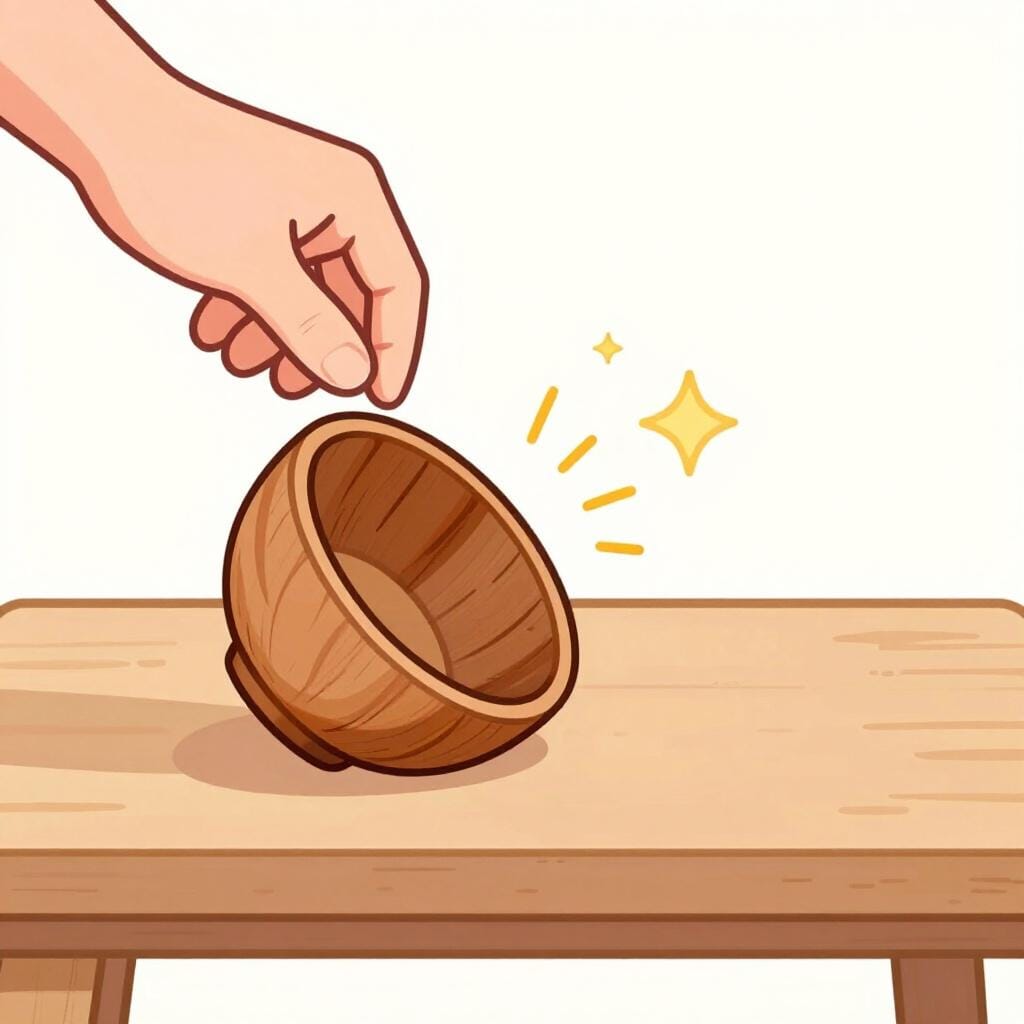
Le dio una hostia a la mesa por la frustración.
He gave the table a hard smack out of frustration.
Using 'darse' for accidents
When you accidentally hit yourself or crash into something, use the reflexive form 'darse una hostia' to show the action happened to you.
Always Feminine
Even though it is used as slang for a hit, it never changes its gender. It is always 'la hostia' or 'una hostia'.
Confusing with 'golpe' in formal settings
Mistake: “Using 'hostia' in a job interview to describe a car accident.”
Correction: Use 'golpe' or 'accidente' instead. 'Hostia' is very informal and can be seen as rude in professional environments.
atacó
Examples
La gripe lo atacó justo antes de las vacaciones.
The flu struck him right before vacation.
sensación
Examples
El nuevo restaurante de tapas es la sensación del barrio.
The new tapas restaurant is the sensation (the big hit) of the neighborhood.
hit
jitxit
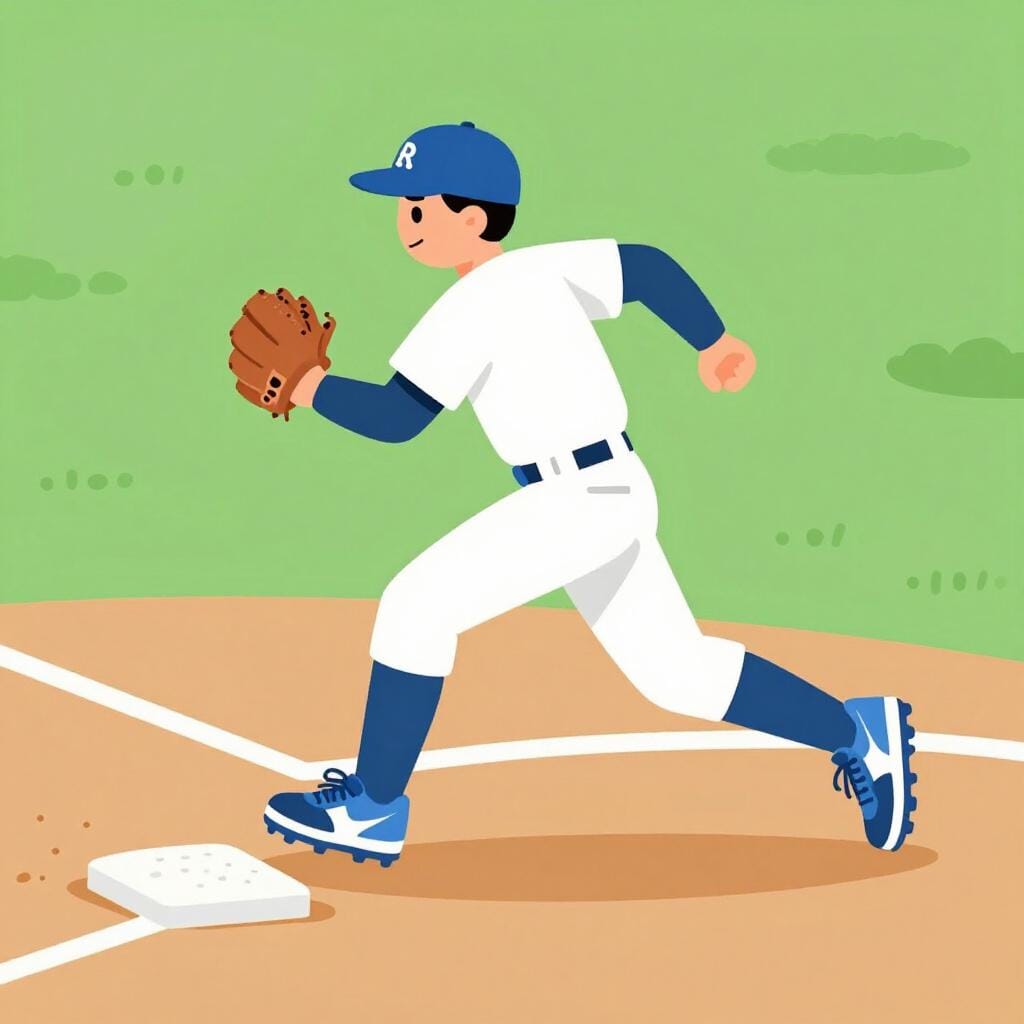
Examples
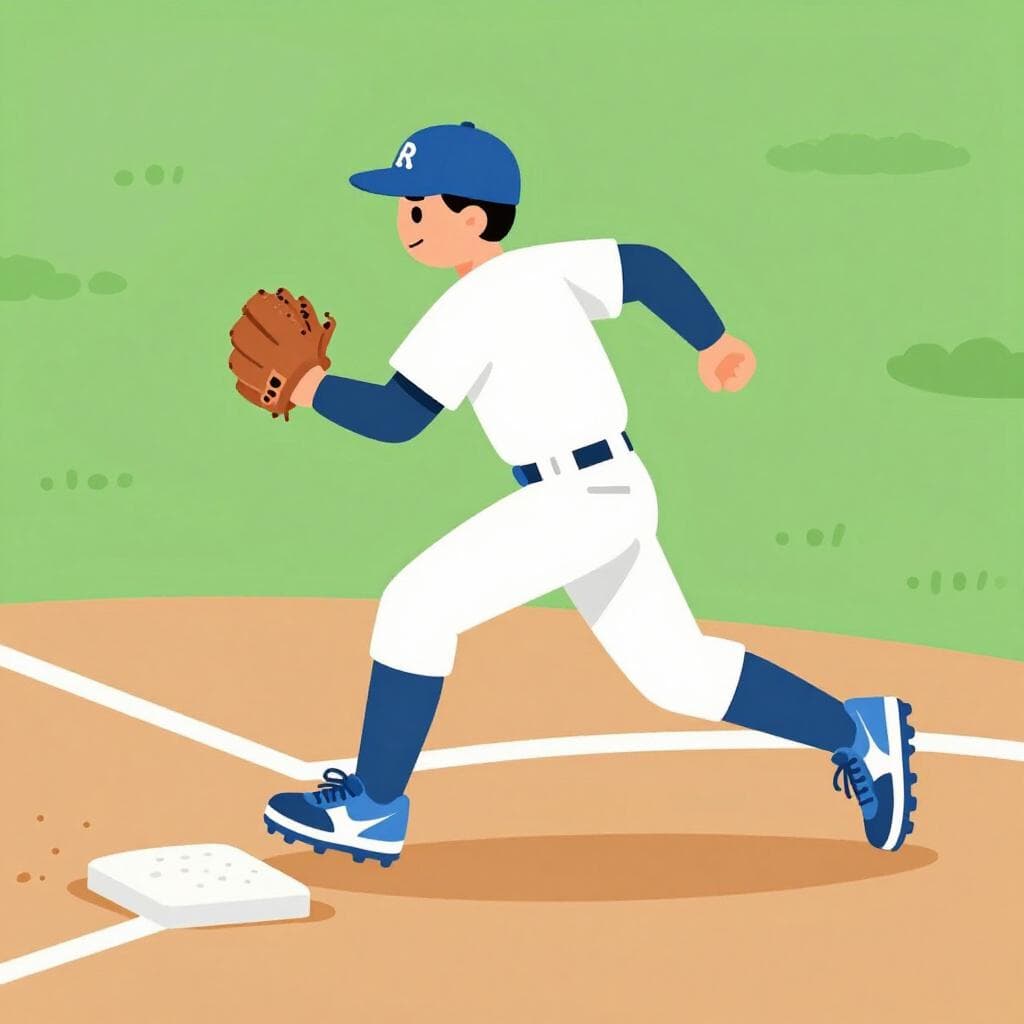
El bateador conectó un hit al jardín central.
The batter hit a single to center field.
Necesitamos un hit para empatar el juego.
We need a hit to tie the game.
Lleva tres hits en lo que va del partido.
He has three hits so far in the game.
Sports Vocabulary
Spanish often adopts English terminology for sports like baseball. These words usually keep their English spelling.
Confusing 'hit' with 'golpe'
Mistake: “El jugador hizo un golpe.”
Correction: El jugador conectó un hit. In sports context, 'hit' is the specific term for the play.
pegado
peh-GAH-dohpeˈɣa.ðo

Examples
Hemos pegado todos los sellos al sobre.
We have stuck all the stamps on the envelope.
Nunca le había pegado a nadie.
He had never hit anyone.
Forming Perfect Tenses
The word 'pegado' is the form you use after a conjugated form of 'haber' (to have) to describe actions completed in the past, like 'he pegado' (I have stuck/hit).
Spelling Change in 'Pegar'
The verb 'pegar' adds a 'u' before the 'e' sound in certain forms (like 'pegué' or 'pegue') to keep the hard 'g' sound, otherwise it would sound like 'peje'.
Physical Blows vs. Successes
Related Translations
Learn Spanish with Inklingo
Interactive stories, personalized learning, and more.