How to Say "struck" in Spanish
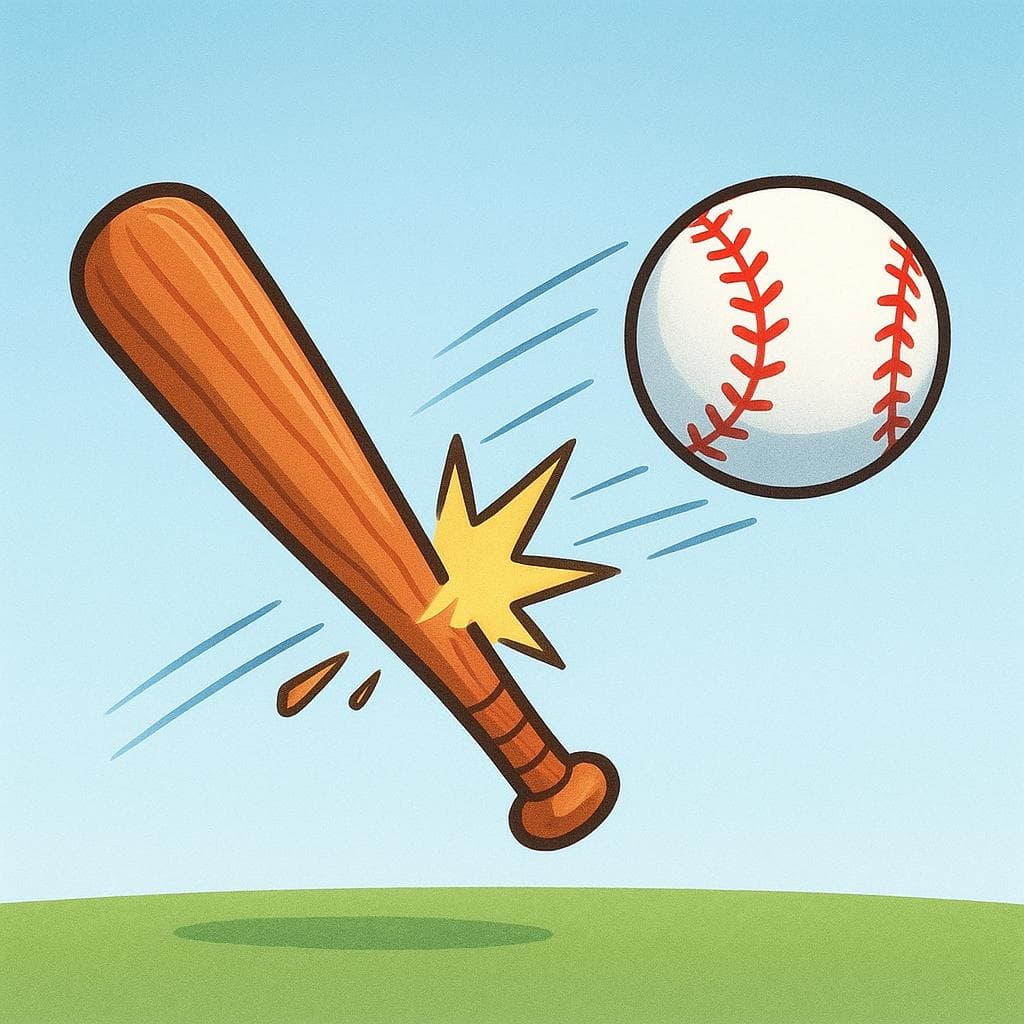
The most common Spanish word for “struck” is “golpeó” — use this when describing a direct physical impact or blow, like an object hitting another object or a person hitting something.
golpeó
Examples
El camión golpeó el puente.
The truck struck the bridge.
golpeado
gol-pe-AH-doɡolpeˈaðo
Examples
El árbol fue golpeado por el viento fuerte.
The tree was struck by the strong wind.
Hemos golpeado la puerta sin querer.
We have hit the door accidentally.
La campana fue golpeada por el sacristán.
The bell was struck by the sexton.
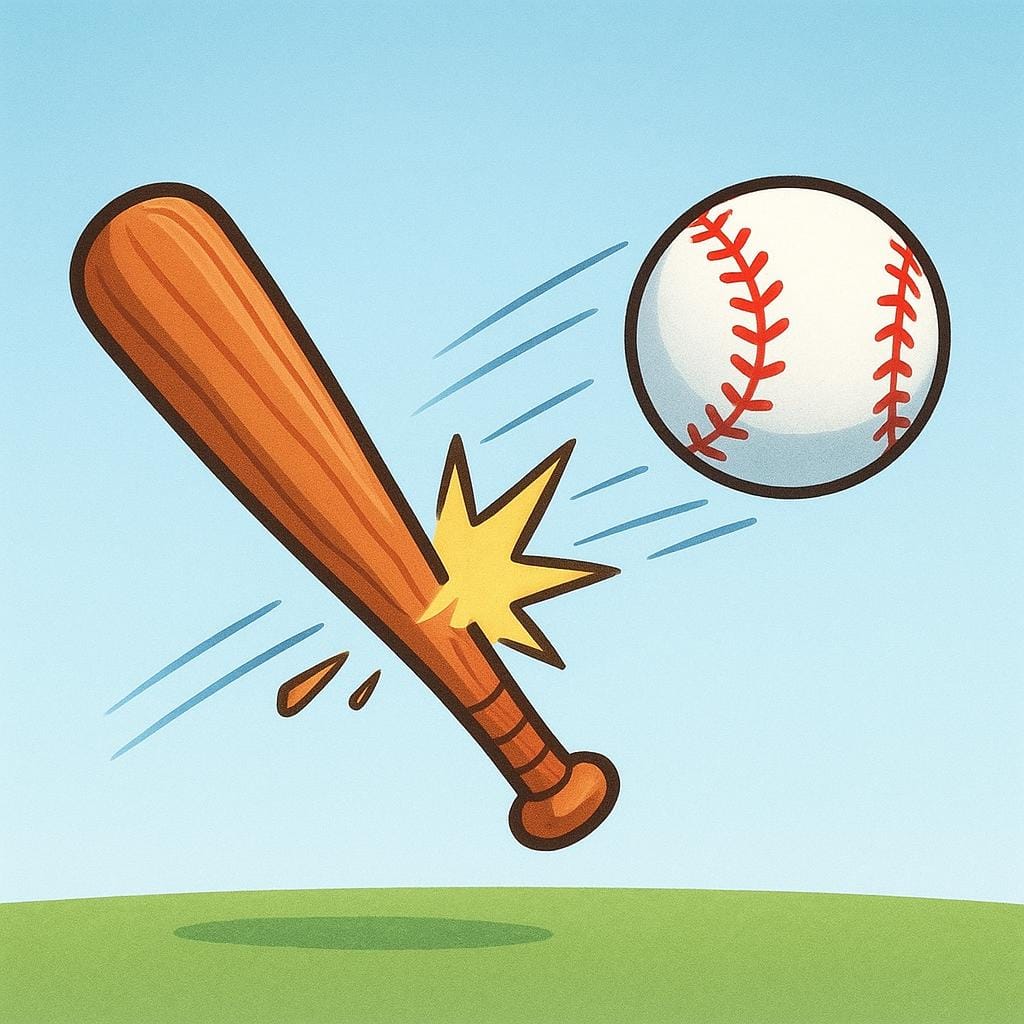
¿Quién ha golpeado el balón tan fuerte?
Who has hit the ball so hard?
Perfect Tenses
The form 'golpeado' is combined with the verb 'haber' (to have) to create perfect tenses, which describe actions completed in the past, like 'He golpeado' (I have hit).
Passive Voice
When used with the verb 'ser' (to be), it describes an action being done to the subject. In this case, it acts like an adjective and must agree in gender and number (e.g., 'La pelota fue golpeada').
Using 'Estar' for Perfect Tenses
Mistake: “Yo estoy golpeado la mesa.”
Correction: Yo he golpeado la mesa. (Always use 'haber' for forming perfect tenses, not 'estar'.)
atacó
Examples
Una fuerte tos lo atacó durante la noche.
A strong cough struck him during the night.
Physical Impact vs. Sudden Affliction
Related Translations
Learn Spanish with Inklingo
Interactive stories, personalized learning, and more.