How to Say "damaged" in Spanish
The most common Spanish word for “damaged” is “Dañado” — use 'dañado' for the general state of something being physically harmed or broken, applicable to both objects and living things.
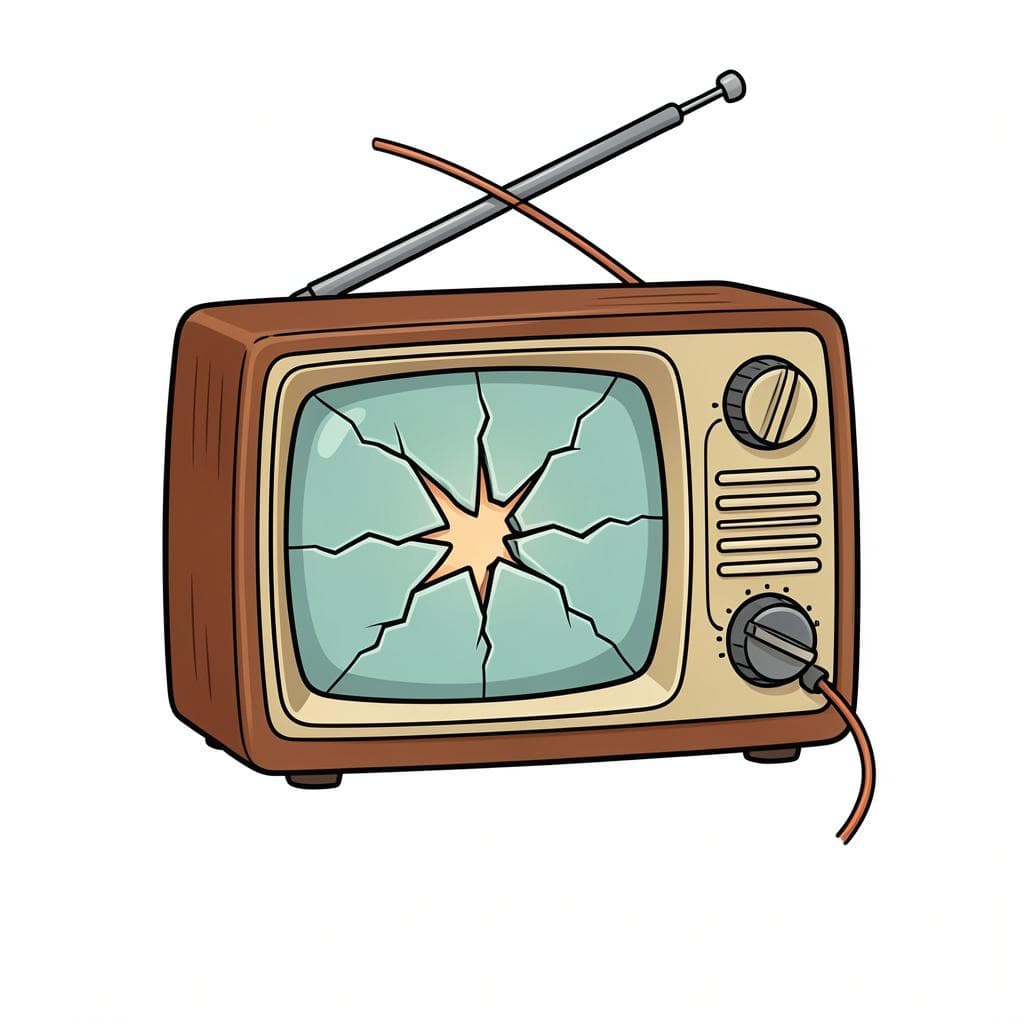


Dañado
Examples
El motor del coche está dañado.
The car's engine is damaged.
Dañado
Examples
He dañado mi teléfono nuevo.
I have damaged my new phone.
Estropeado
es-tro-peh-AH-dohestɾopeˈaðo
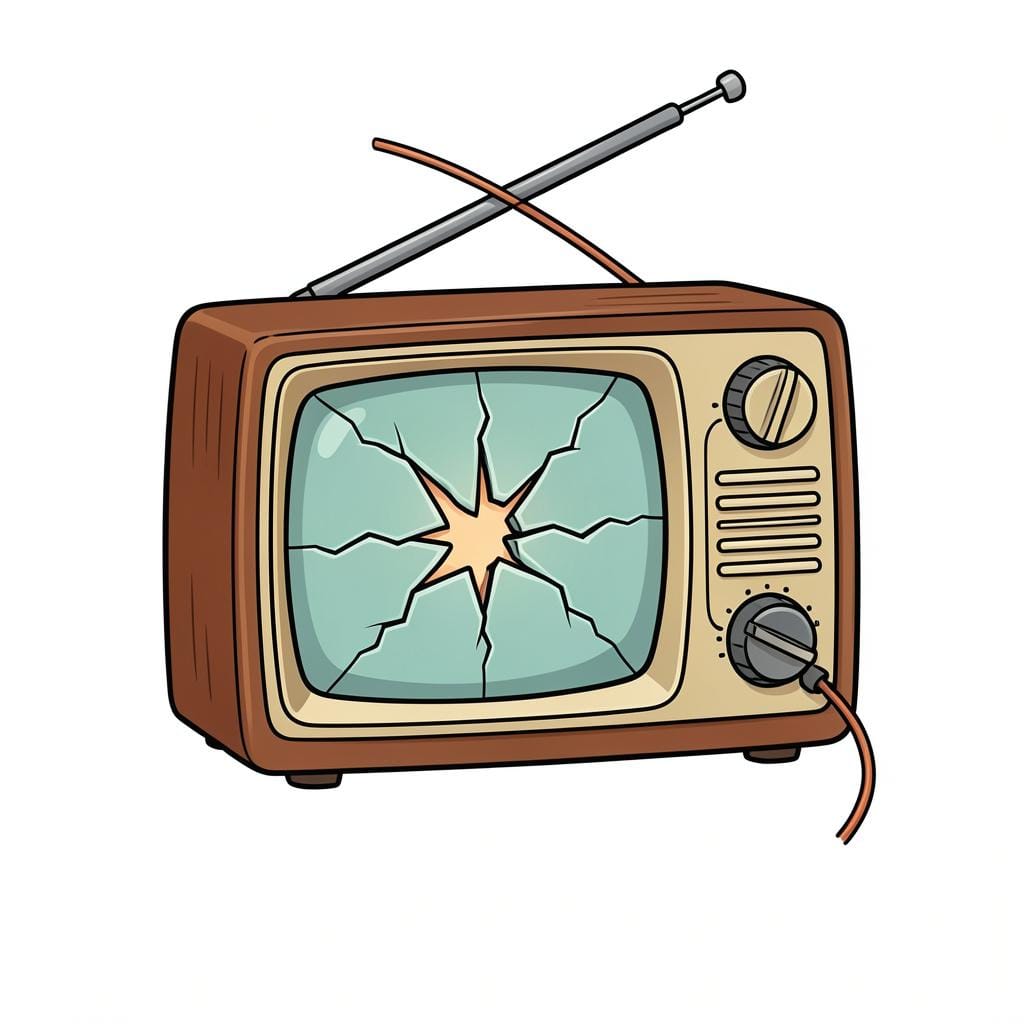
Examples
No puedo enviarte el archivo porque mi ordenador está estropeado.
I can't send you the file because my computer is broken.
El ascensor lleva estropeado toda la semana.
The elevator has been out of order all week.
Changing the Ending
Since this word acts as a description, you must change the ending to 'estropeada' if you are talking about a feminine object like 'una silla' (a chair).
Using with 'Estar'
Always use the verb 'estar' (to be) with this word because it describes a condition or a state that changed, rather than a permanent characteristic.
Don't use 'Ser'
Mistake: “La radio es estropeada.”
Correction: La radio está estropeada. Use 'estar' because the radio wasn't born broken; it's just in that state right now.
Golpeado
gol-pe-AH-doɡolpeˈaðo

Examples
El boxeador terminó el combate muy golpeado.
The boxer finished the fight very battered.
Tuvimos que devolver el paquete porque llegó golpeado.
We had to return the package because it arrived damaged.
La mesa vieja está golpeada en las esquinas.
The old table is damaged (or dented) on the corners.
Gender and Number Agreement
As an adjective, 'golpeado' must match the word it describes. If you are talking about a woman, you must say 'golpeada'. If you are talking about multiple items, use 'golpeados' or 'golpeadas'.
Forgetting the Gender Change
Mistake: “La caja estaba golpeado.”
Correction: La caja estaba golpeada. (Since 'caja' is feminine, the adjective must also be feminine.)
Tocado
toh-KAH-dohtoˈkaðo

Examples
El motor de la lancha está tocado; no arranca bien.
The boat engine is damaged; it doesn't start well.
Después de la noticia, María se quedó muy tocada.
After the news, Maria was left deeply affected (or hurt).
Creo que ese hombre está un poco tocado de la cabeza.
I think that man is a little bit crazy (literally: touched in the head).
Agreement
As an adjective, 'tocado' changes its ending to match the person or thing it describes: 'el coche tocado' (the damaged car) vs. 'la ventana tocada' (the damaged window).
Dañado vs. Estropeado
Related Translations
Learn Spanish with Inklingo
Interactive stories, personalized learning, and more.