How to Say "hapless" in Spanish
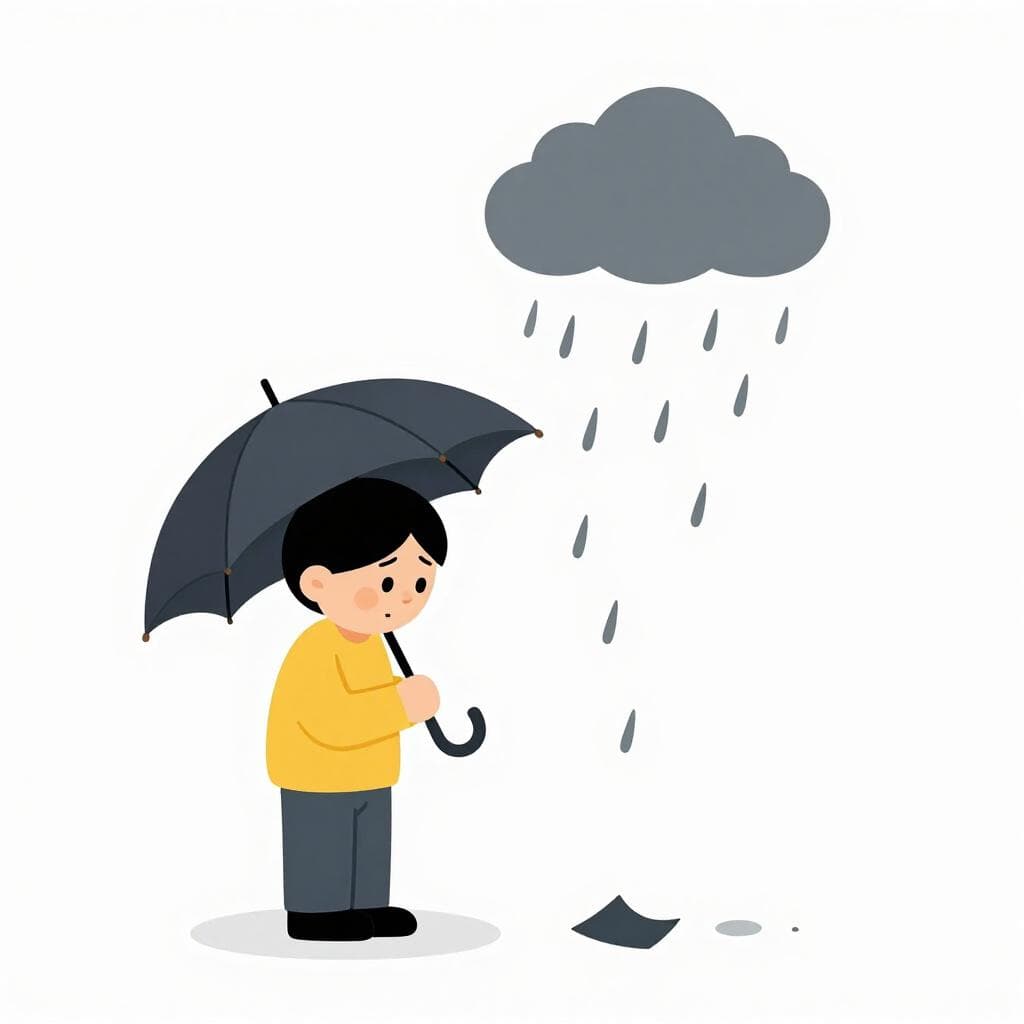
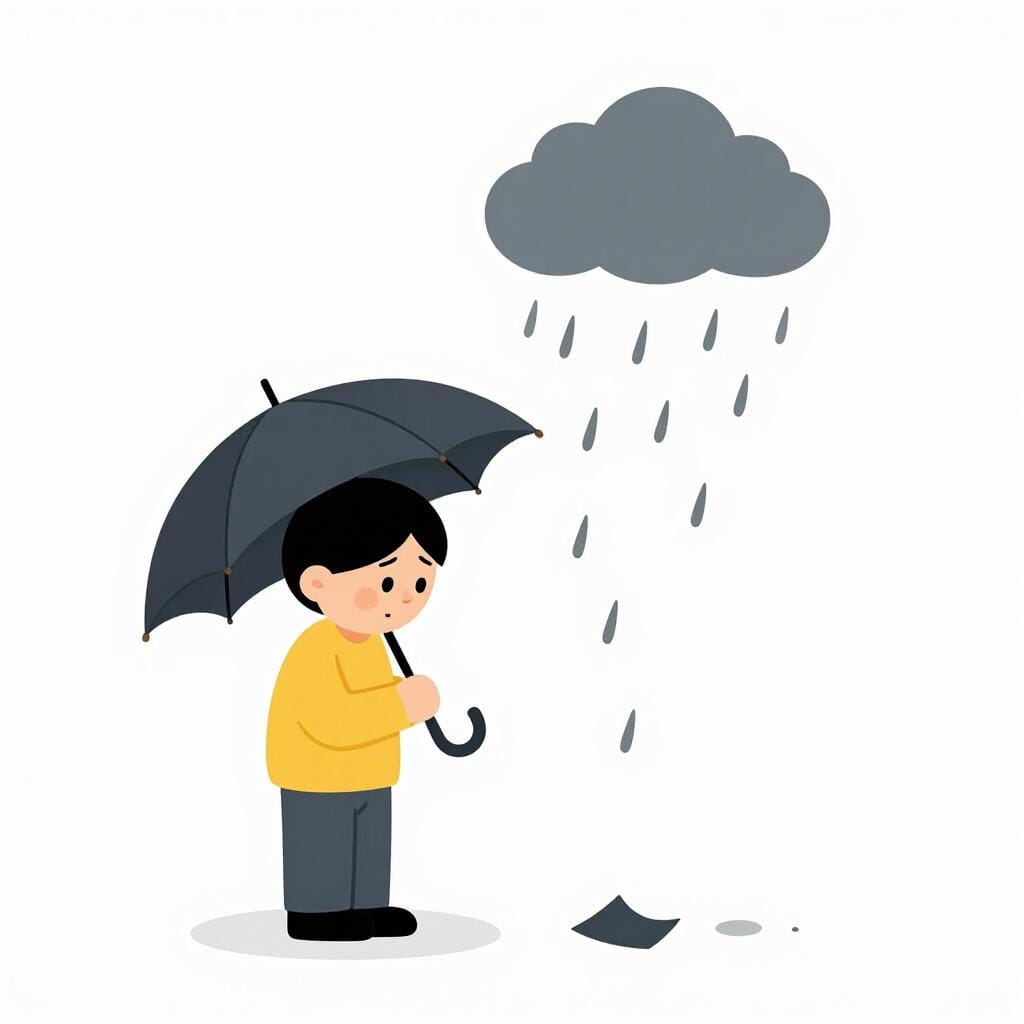
The most common Spanish word for “hapless” is “desafortunado” — use 'desafortunado' to describe someone who is consistently unlucky or experiencing a series of unfortunate events.

desafortunado
de-sah-for-too-NAH-dohdesafortuˈnaðo
Examples
Él es un hombre desafortunado en el juego, pero afortunado en el amor.
He is an unlucky man in gambling, but lucky in love.
Fue un encuentro desafortunado que cambió sus planes.
It was an unfortunate encounter that changed her plans.
Matching the word
This word changes its ending to match the person or thing you are describing. Use 'desafortunado' for masculine nouns and 'desafortunada' for feminine nouns.
The 'Un-' Trap
Mistake: “unfortunado”
Correction: desafortunado
desgraciado
dess-grah-SYAH-dohdes.ɣɾaˈsja.ðo

Examples
El pobre hombre desgraciado perdió su trabajo y su coche en la misma semana.
The poor, unfortunate man lost his job and his car in the same week.
Se siente desgraciado después de la ruptura, pero se recuperará.
He feels wretched (miserable) after the breakup, but he will recover.
Changing Gender
Like many Spanish adjectives ending in -o, you must change the ending to match the person you are describing: use 'desgraciada' for a woman, and 'desgraciados/as' for plurals.
Desafortunado vs. Desgraciado
Related Translations
Learn Spanish with Inklingo
Interactive stories, personalized learning, and more.