How to Say "wretched" in Spanish
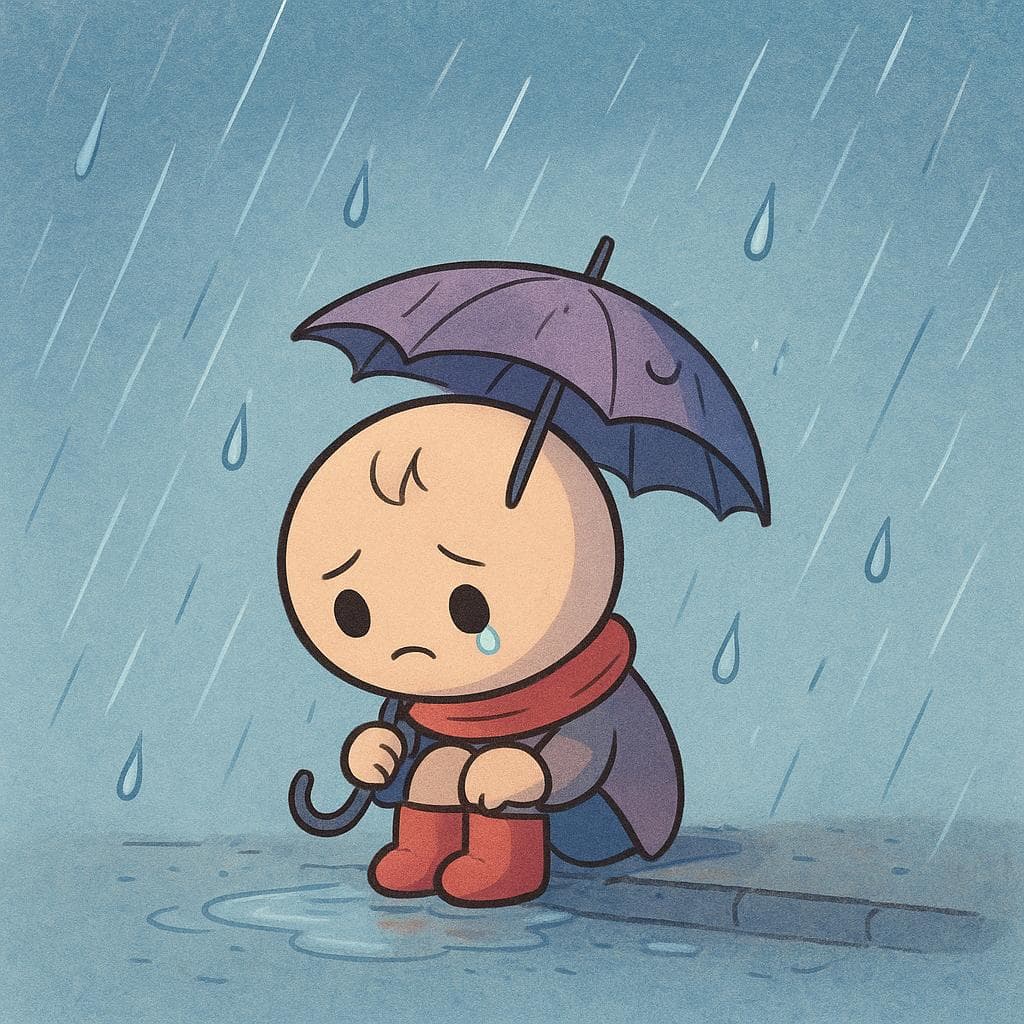
The most common Spanish word for “wretched” is “miserable” — use this when you want to describe someone feeling deeply unhappy or unwell, emphasizing their internal state of suffering.



miserable
mee-seh-RAH-blehmi.seˈɾa.βle

Examples
Estaba tan miserable después de que su perro se fue.
She was so miserable after her dog left.
No te sientas miserable por un pequeño error.
Don't feel miserable about a small mistake.
Gender Consistency
Since 'miserable' ends in '-e', it doesn't change based on whether the person is masculine or feminine (e.g., 'el hombre miserable' and 'la mujer miserable').
Confusing with 'poor'
Mistake: “Using 'pobre' when you mean emotionally wretched.”
Correction: 'Pobre' usually means lacking money. If you mean 'unhappy,' use 'miserable' or 'infeliz'.
desgraciado
dess-grah-SYAH-dohdes.ɣɾaˈsja.ðo

Examples
El pobre hombre desgraciado perdió su trabajo y su coche en la misma semana.
The poor, unfortunate man lost his job and his car in the same week.
Se siente desgraciado después de la ruptura, pero se recuperará.
He feels wretched (miserable) after the breakup, but he will recover.
Changing Gender
Like many Spanish adjectives ending in -o, you must change the ending to match the person you are describing: use 'desgraciada' for a woman, and 'desgraciados/as' for plurals.
condenado
kon-deh-NAH-dohkon.deˈna.ðo
Examples
¡Este condenado despertador no me dejó dormir!
This wretched alarm clock wouldn't let me sleep!
Se me perdió el condenado libro que necesitaba para el examen.
I lost the darned book I needed for the exam.
Emotional Intensifier
In this informal sense, 'condenado' acts like 'darned' or 'cursed' in English, adding emotional emphasis to the noun, usually negative.
mendigo
men-DEE-gomenˈdi.ɣo

Examples
¡No seas mendigo y ayúdame!
Don't be mean and help me!
Ese mendigo perro me robó el zapato.
That wretched dog stole my shoe.
Hace un mendigo calor hoy.
It is miserably hot today.
Adjective placement
When used for emphasis (like 'wretched dog'), this word often comes before the noun instead of after it.
Regional Confusion
Mistake: “Using this adjective in Spain to mean 'mean'.”
Correction: In Spain, this almost always just means 'beggar'. Use 'malo' or 'tacaño' in Spain to avoid confusion.
Confusing Annoyance with Misery
Related Translations
Learn Spanish with Inklingo
Interactive stories, personalized learning, and more.