How to Say "wretch" in Spanish
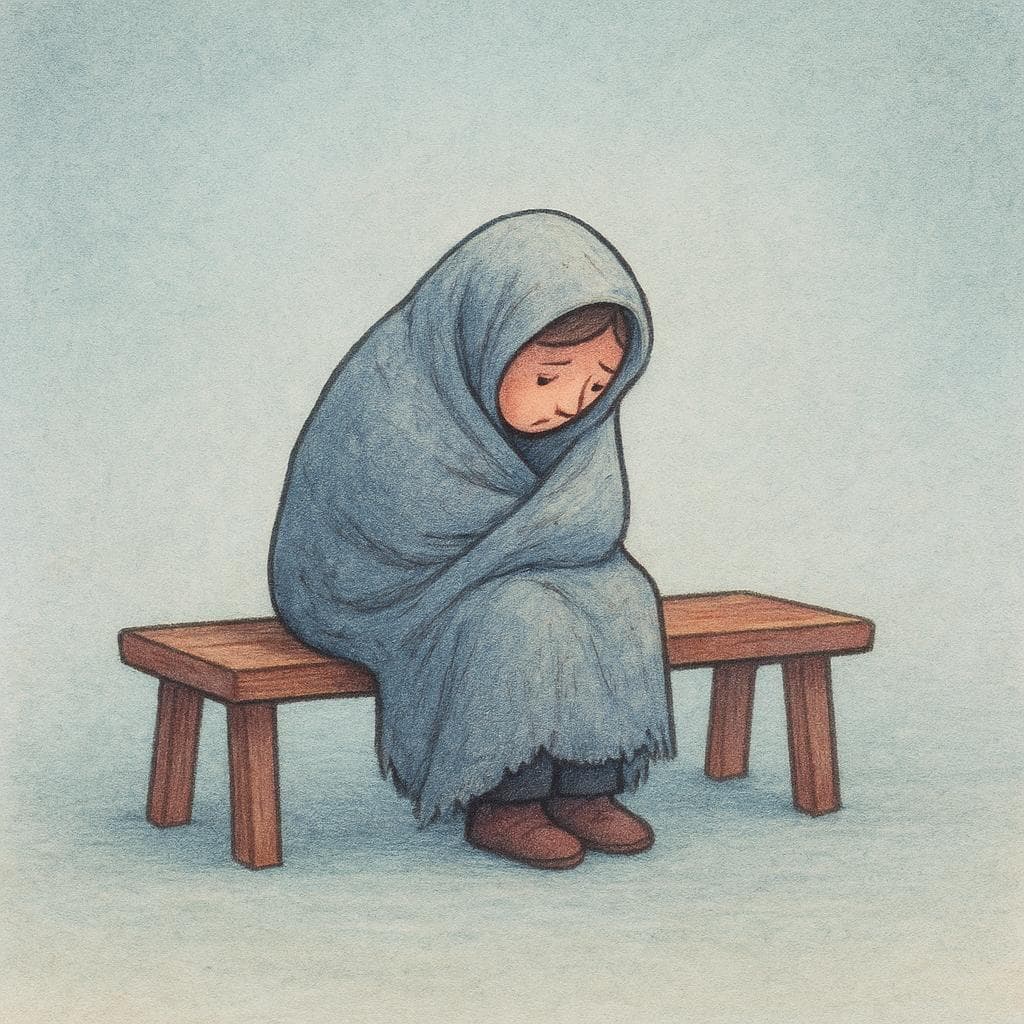
The most common Spanish word for “wretch” is “desgraciado” — use 'desgraciado' when you want to express strong contempt for someone who has wronged you or acted despicably, implying they are a wretched person due to their actions.

desgraciado
dess-grah-SYAH-dohdes.ɣɾaˈsja.ðo

Examples
¡Ese desgraciado me mintió sobre el trato y se quedó con todo!
That scoundrel lied to me about the deal and kept everything!
No le hables, es un desgraciado que solo busca aprovecharse de la gente.
Don't talk to him, he's a despicable person who only looks to take advantage of people.
Used as a Noun
In this context, 'desgraciado' acts as a name for a person, so it usually needs an article before it (el desgraciado, un desgraciado).
infeliz
een-feh-LEEZinfeˈliθ
Examples
¡Ese infeliz me robó la cartera!
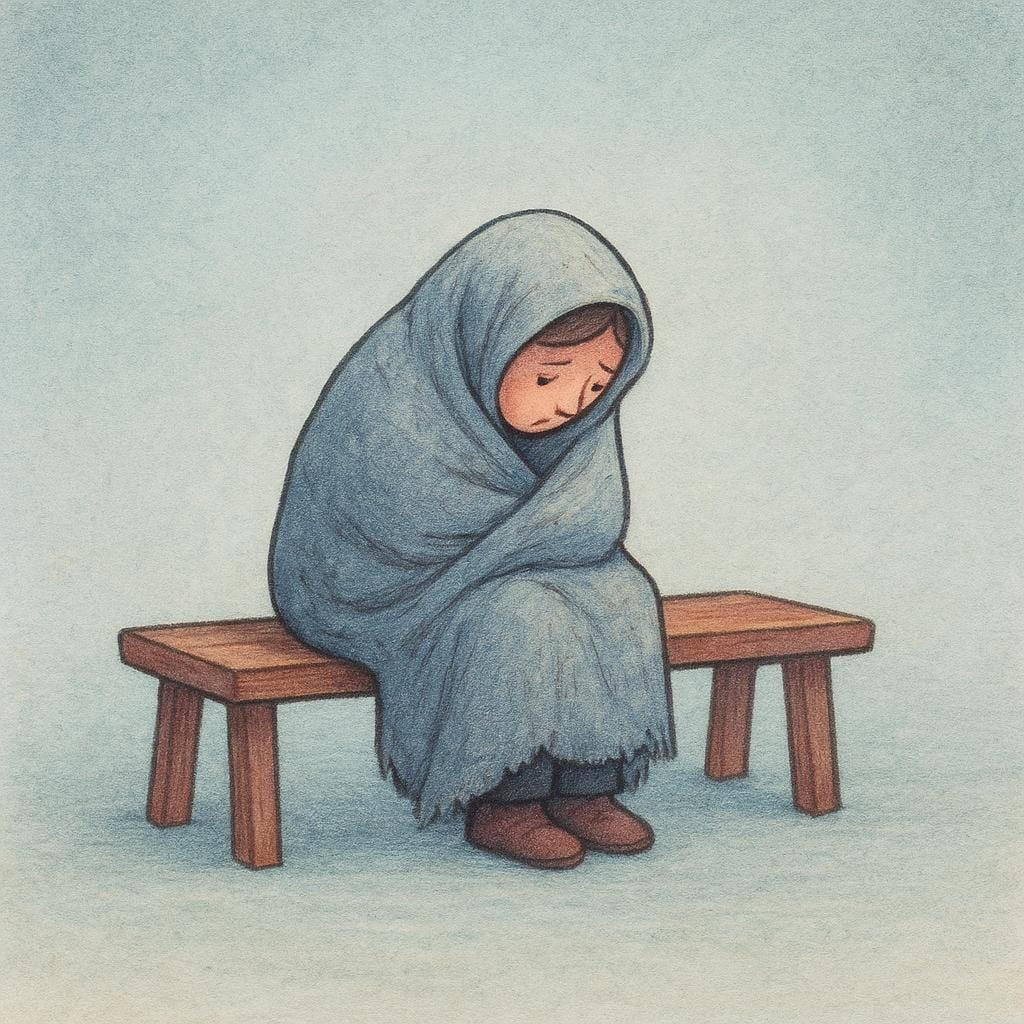
That wretch stole my wallet!
Pobre infeliz, perdió todo en el incendio.
Poor wretch (or poor soul), he lost everything in the fire.
Use as a Noun
When used as a person, you must use an article ('el' or 'la') before it, even though the word 'infeliz' itself doesn't change its ending for gender.
Contempt vs. Pity
Related Translations
Learn Spanish with Inklingo
Interactive stories, personalized learning, and more.