How to Say "having fun" in Spanish
The most common Spanish word for “having fun” is “divirtiendo” — use this word when describing the general act of enjoying oneself or having a good time, especially during social events or leisure activities.
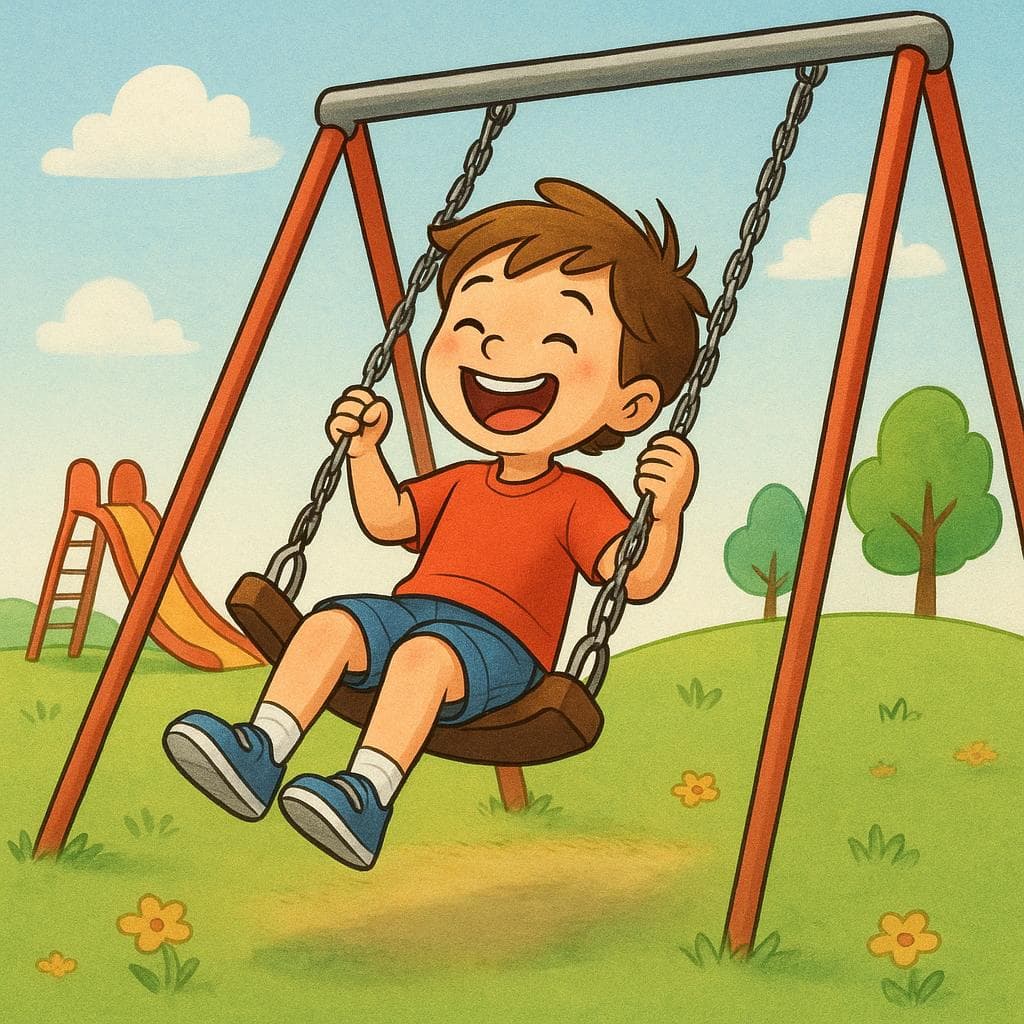
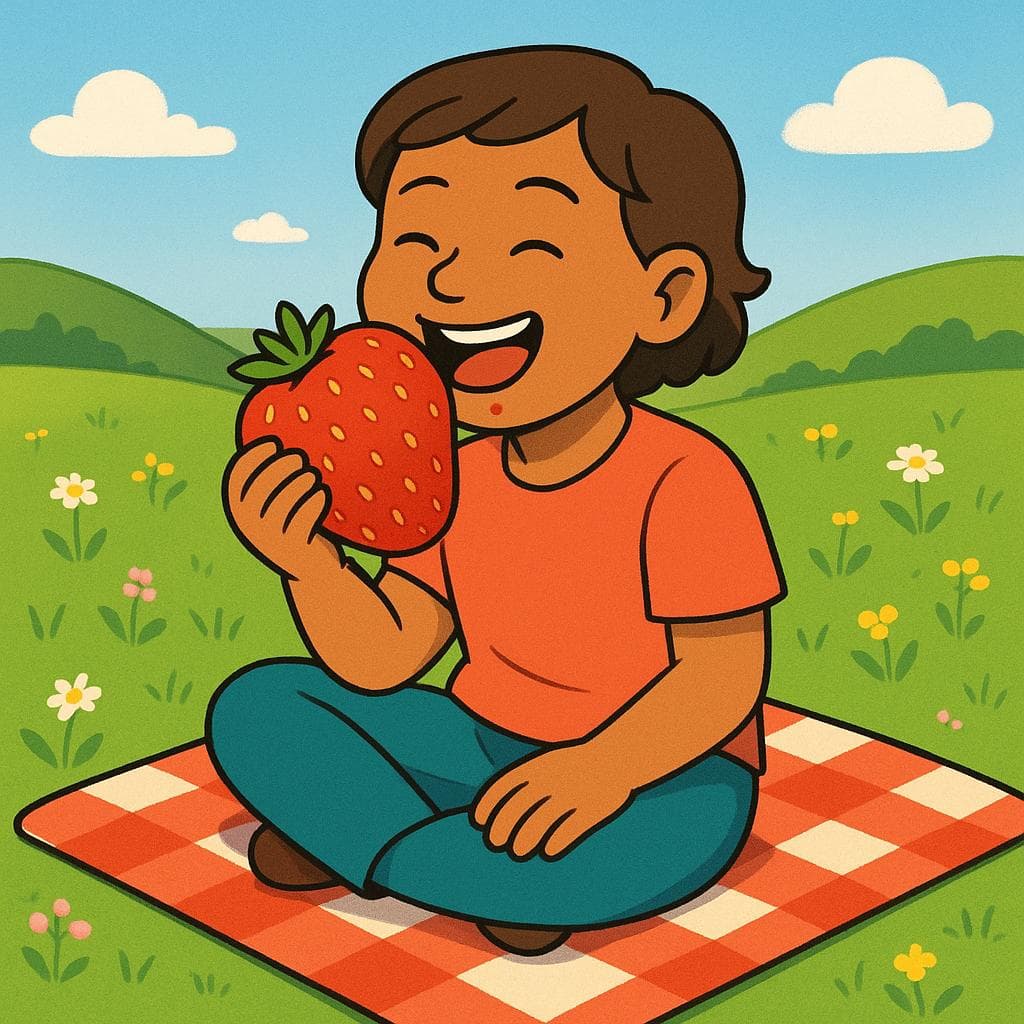
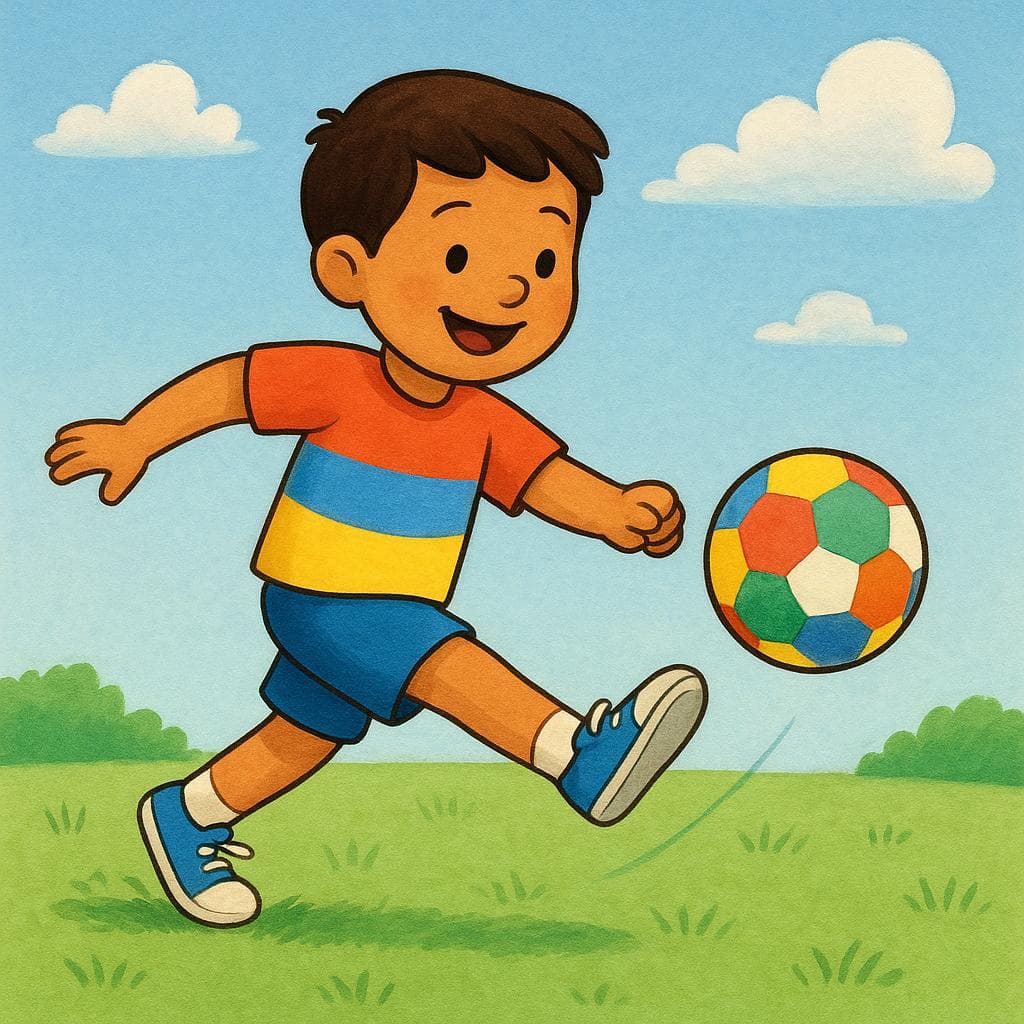
divirtiendo
dee-veer-TYEN-dohdi.βirˈtjen̪.do
Examples
Están divirtiéndose mucho en la fiesta de cumpleaños.
They are having a lot of fun at the birthday party.
El niño pasa el día divirtiéndose con sus juguetes.
The child spends the day having fun with his toys.
Ella sigue divirtiéndose a pesar de la lluvia.
She continues enjoying herself despite the rain.
The '-ing' Form (Gerund)
This word is the Spanish equivalent of the English '-ing' form. It describes an action that is currently happening. It is most often used right after the verb 'estar' (to be) to form the continuous tense.
Stem-Changing Verb
The base verb divertir is tricky because the 'e' in the middle changes to 'ie' in many present forms (e.g., divierto), and changes to 'i' in the gerund (divirtiendo) and the 3rd person preterite (divirtió). Watch out for that internal vowel change!
Reflexive Action
When you use 'divirtiendo' to mean 'having fun,' it almost always needs the little word 'se' (or me, te, nos, etc.) attached, because you are doing the action to yourself (divertirse).
Forgetting the Reflexive Pronoun
Mistake: “Estamos divirtiendo en la playa.”
Correction: Estamos **nos** divirtiendo / **Nos** estamos divirtiendo en la playa. (We are having fun at the beach.) The reflexive pronoun 'nos' is essential for 'having fun'.
Mixing up the Stem Change
Mistake: “Estamos divertiendo.”
Correction: Estamos div**i**rtiendo. (The 'e' changes to 'i' in the gerund form.)
disfrutando
dees-froo-TAN-dohdis.fɾuˈtan.do
Examples
Estamos disfrutando mucho de la fiesta.
We are really enjoying the party.
Mi abuela sigue disfrutando de buena salud a los 90 años.
My grandmother is still enjoying good health at 90 years old.
Pasaron toda la tarde disfrutando del paisaje.
They spent the whole afternoon enjoying the scenery.
The Continuous Action
The '-ando' ending is the Spanish way to say '-ing.' It tells you the action (enjoying) is currently happening or ongoing.
Pairing with 'Estar'
To talk about something happening right now, you must use a form of the verb 'estar' (to be) plus 'disfrutando.' Example: 'Estoy disfrutando' (I am enjoying).
Forgetting 'Estar'
Mistake: “Yo disfrutando la película.”
Correction: Yo estoy disfrutando la película. (You need 'estar' to hold the continuous action together.)
Misusing the Preposition
Mistake: “Estamos disfrutando con el viaje.”
Correction: Estamos disfrutando del viaje. (Often, 'disfrutar' takes the preposition 'de' before the thing being enjoyed.)
jugando
hoo-GAHN-dohxuˈɣan.do
Examples
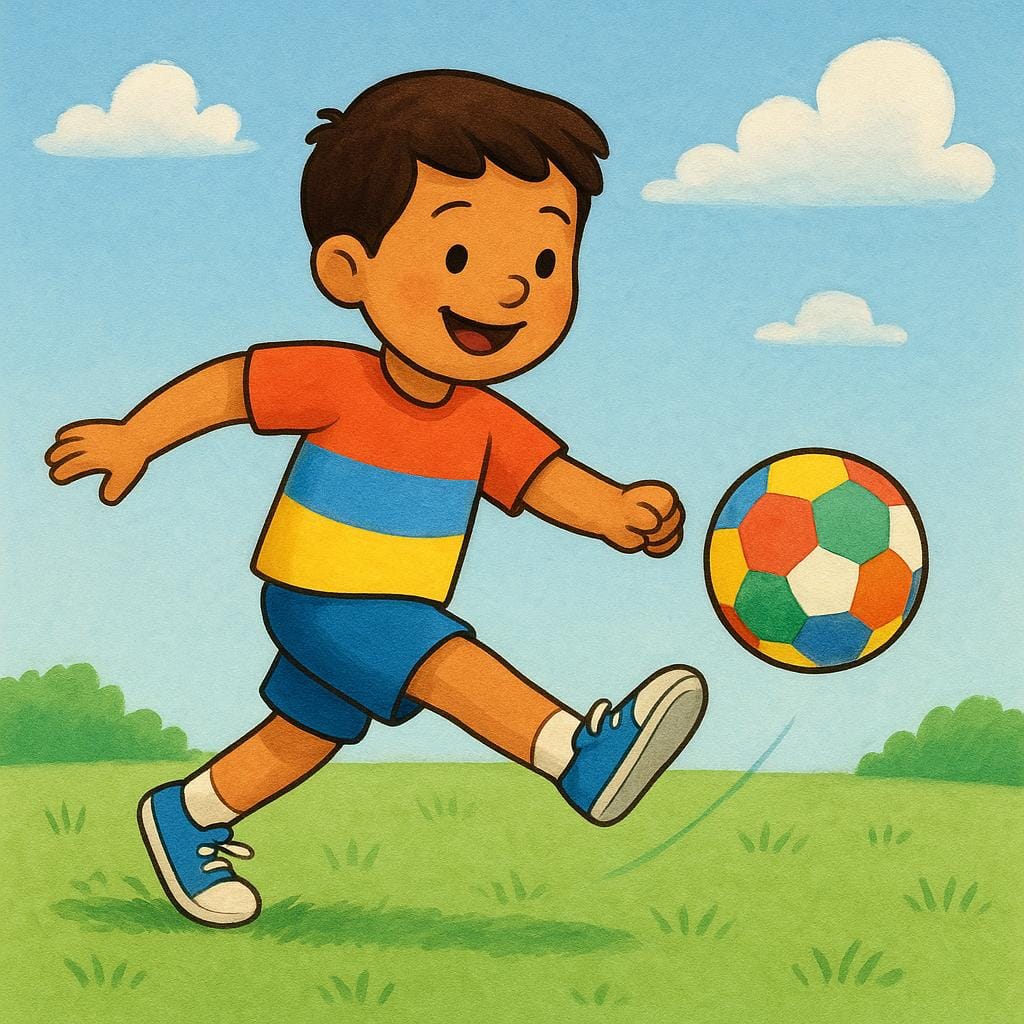
Los niños están jugando en el parque con una pelota.
The children are playing in the park with a ball.
¿Estás jugando al ajedrez o estás estudiando?
Are you playing chess or are you studying?
Mi equipo estuvo jugando muy bien hasta el final del partido.
My team was playing very well until the end of the game.
Using the Continuous Tense
In Spanish, we use the verb 'estar' (to be) followed by the gerund form 'jugando' to describe something happening at the moment: 'Estamos jugando' (We are playing).
Verbs of Motion
You can use 'jugando' after verbs like 'seguir' (to continue) or 'ir' (to go) to show a persistent or progressive action: 'Ella sigue jugando' (She keeps on playing).
Incorrect Preposition for Sports
Mistake: “Estamos jugando fútbol. (Missing 'a'.)”
Correction: Estamos jugando **al** fútbol. When talking about named sports or games, 'jugar' usually requires the preposition 'a' (or 'al' if the name is masculine).
Choosing Between 'Divirtiéndose' and 'Disfrutando'
Related Translations
Learn Spanish with Inklingo
Interactive stories, personalized learning, and more.