How to Say "holes" in Spanish
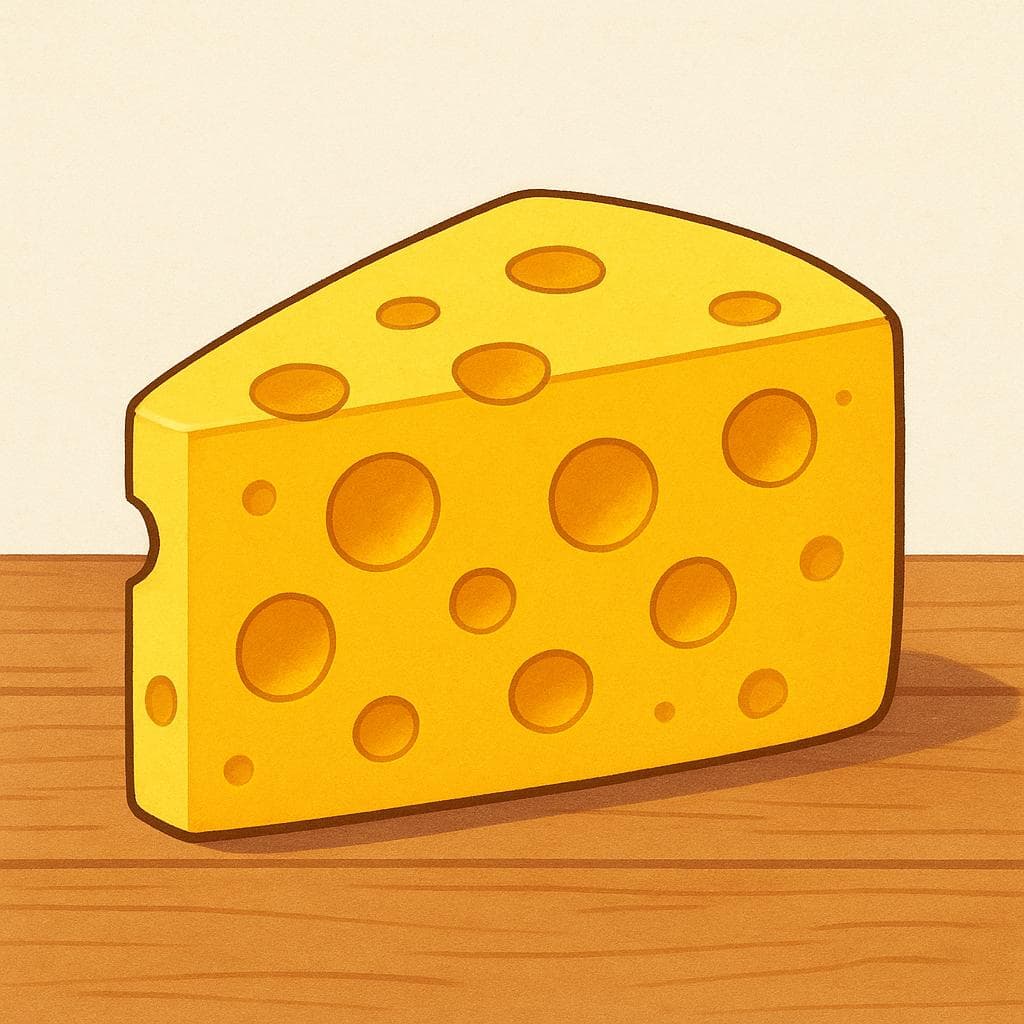
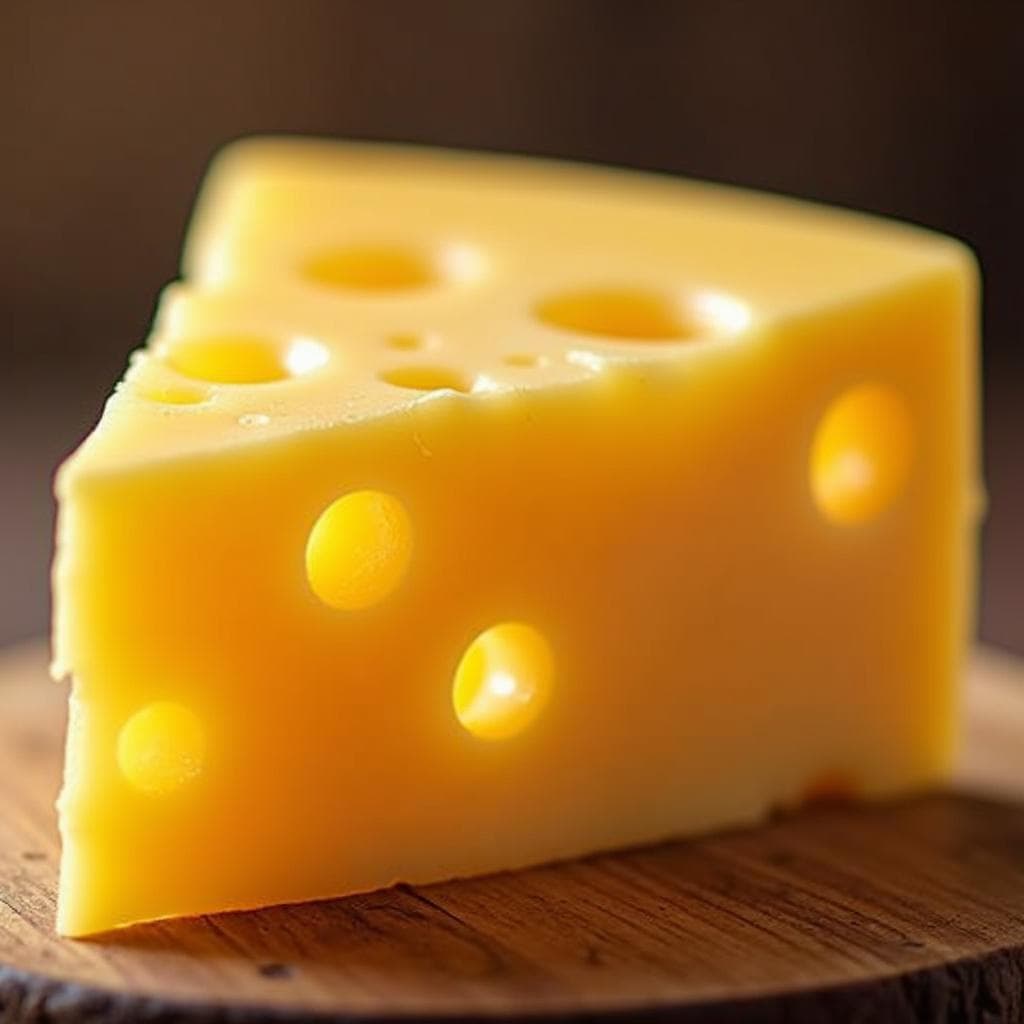
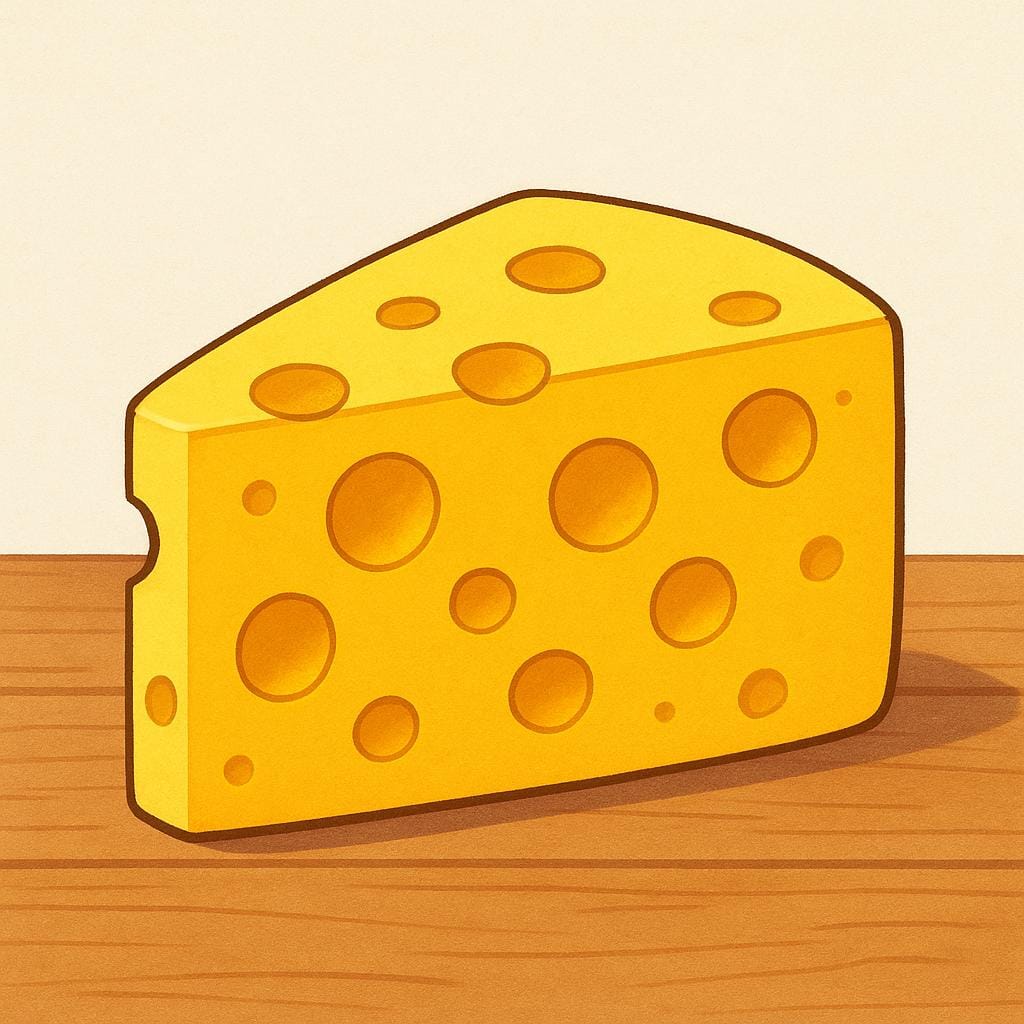
The most common Spanish word for “holes” is “agujeros” — use 'agujeros' for any physical opening or gap, such as in a road, wall, or piece of clothing.
agujeros
ah-goo-HEH-rohsa.ɣuˈxe.ɾos
Examples
El calcetín tiene un agujero en el dedo gordo.
The sock has a hole in the big toe.
Hay muchos agujeros en esta carretera, ¡ten cuidado!
There are many holes in this road, be careful!
Necesito parchar los agujeros de mis calcetines viejos.
I need to patch the holes in my old socks.
Los ratones hicieron agujeros pequeños en la pared.
The mice made small holes in the wall.
Masculine Plural
Since 'agujero' (the singular form) ends in -o, it is a masculine noun. 'Agujeros' is the plural form, meaning you must use masculine plural articles and adjectives (e.g., 'los agujeros grandes').
ojos
OH-hohsˈo.xos
Examples
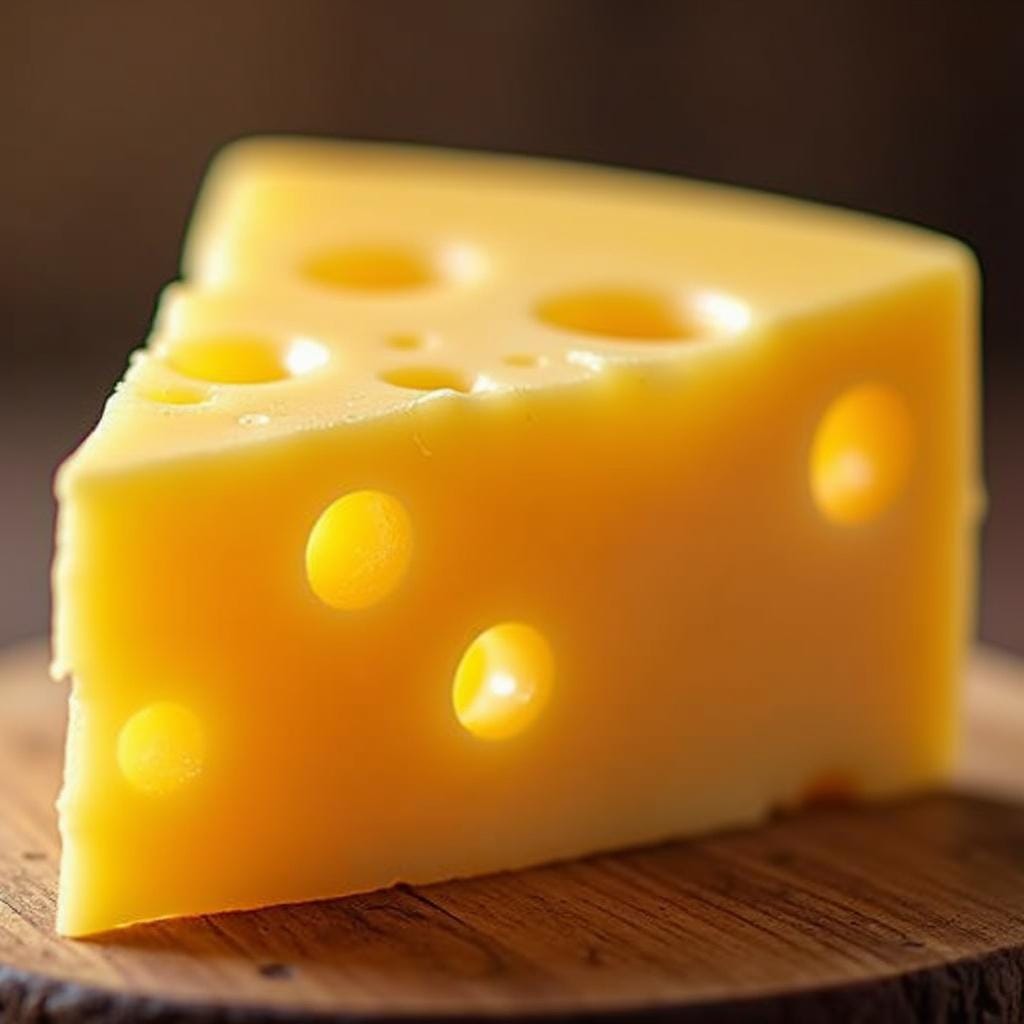
Me encanta el queso Gruyere por sus grandes ojos.
I love Gruyere cheese for its large holes (eyes).
Este queso suizo tiene muchos ojos.
This Swiss cheese has a lot of holes (eyes).
Hay que quitarle los ojos a las patatas antes de cocinarlas.
You have to remove the eyes from the potatoes before cooking them.
El puente tiene tres ojos grandes para que pase el río.
The bridge has three large arches (eyes) for the river to pass through.
Physical Openings vs. Cheese Holes
Learn Spanish with Inklingo
Interactive stories, personalized learning, and more.