How to Say "judgment" in Spanish
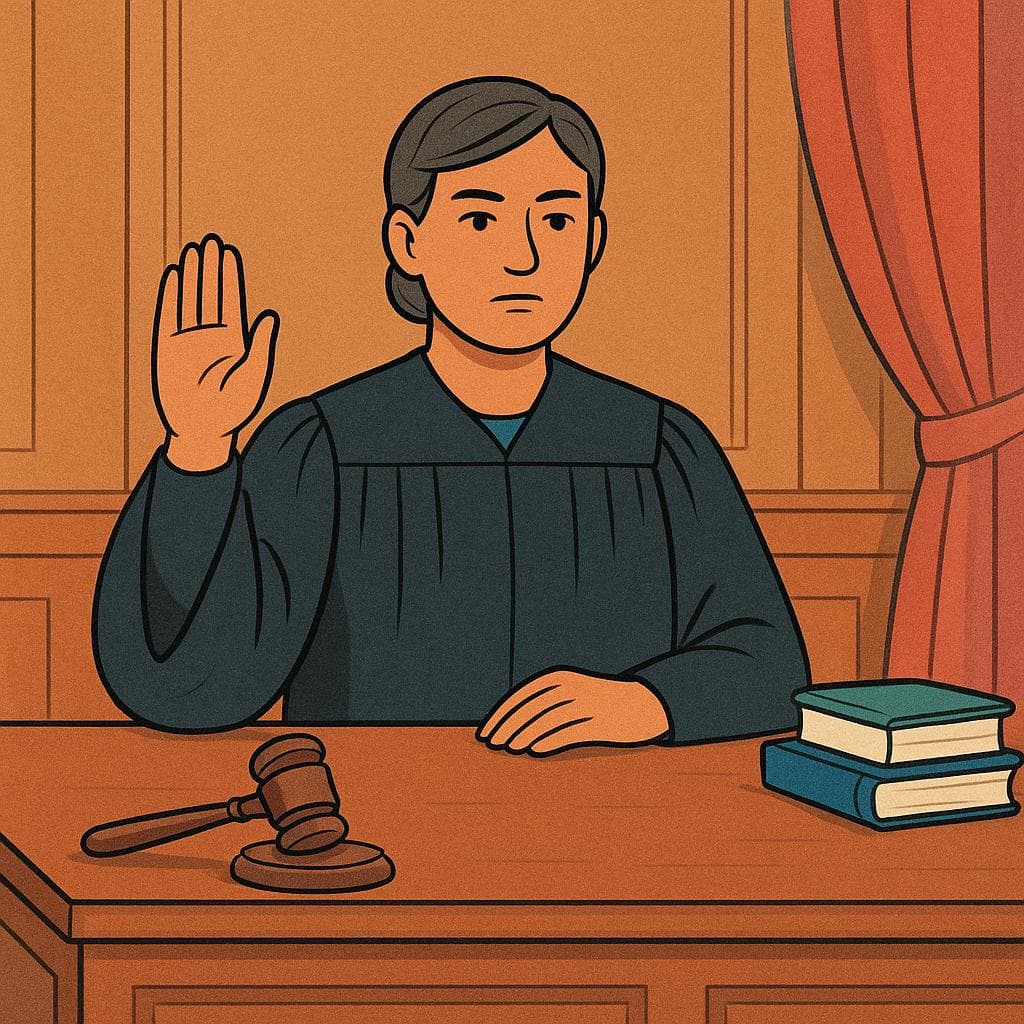
The most common Spanish word for “judgment” is “opinión” — use 'opinión' when expressing a personal belief, conclusion, or viewpoint that is not necessarily based on formal evidence.








opinión
Examples
En mi opinión, esta película es excelente.
In my opinion, this movie is excellent.
juicio
HWEE-see-ohˈxwi.sjo

Examples
A mi juicio, esta es la mejor solución.
In my judgment, this is the best solution.
No emitas un juicio sin conocer todos los hechos.
Don't pass judgment without knowing all the facts.
Su juicio sobre la situación fue muy acertado.
His assessment of the situation was very accurate.
The Phrase 'a mi juicio'
Think of 'a mi juicio' as a slightly more formal or thoughtful way to say 'en mi opinión' (in my opinion). It's a great set phrase to make your Spanish sound more advanced.
criterio
kree-TEH-ryohkɾiˈteɾjo

Examples
Confío en tu criterio para elegir el restaurante.
I trust your judgment to choose the restaurant.
Es un hombre con poco criterio; siempre hace lo que otros dicen.
He is a man with little judgment of his own; he always does what others say.
Debes actuar con criterio en situaciones de riesgo.
You must act with discretion in risky situations.
Using 'A' with Criterio
To say 'In my opinion' using this word, use the phrase 'A mi criterio' or 'Según mi criterio'. It works just like 'In my view'.
Masculine Gender
This word is masculine. Even if a woman is speaking about her own judgment, she says 'mi propio criterio'.
Don't confuse with Criticism
Mistake: “Esa es una mala criterio.”
Correction: Esa es una mala crítica. 'Criterio' is about your ability to judge, while 'crítica' is the actual feedback or criticism you give.
sentido
sen-TEE-dohsenˈti.ðo

Examples
Por favor, usa el sentido común.
Please, use common sense.
Tiene un gran sentido del humor.
He has a great sense of humor.
El boxeador perdió el sentido tras el golpe.
The boxer lost consciousness after the punch.
veredicto
veh-reh-DEEK-tohbeɾeˈðikto

Examples
El jurado emitió su veredicto después de tres días de deliberación.
The jury issued its verdict after three days of deliberation.
Todos esperaban el veredicto final del juez sobre el caso.
Everyone was awaiting the judge's final ruling on the case.
El veredicto del público sobre la nueva tecnología fue muy positivo.
The public's judgment on the new technology was very positive.
Gender Check
'Veredicto' is always a masculine noun, so it must be paired with masculine articles and adjectives: 'el veredicto' or 'un veredicto'.
Using the wrong verb
Mistake: “Hacer un veredicto (To do a verdict)”
Correction: Emitir un veredicto (To issue a verdict). 'Emitir' is the specific verb used when a jury or judge formally declares their decision.
fallo
fá-yoˈfa.ʎo
Examples
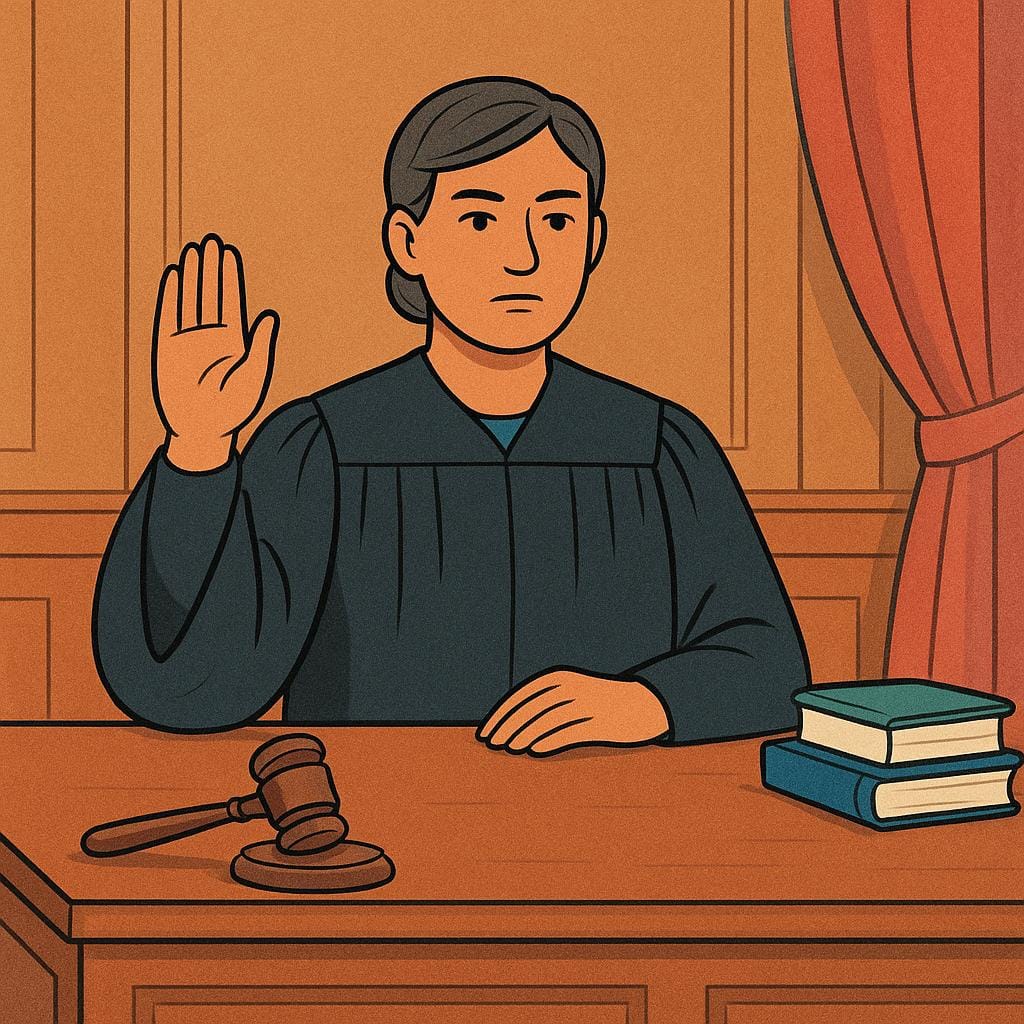
El fallo del tribunal fue a favor de la demandante.
The court's ruling was in favor of the plaintiff.
La prensa espera el fallo final sobre el caso de corrupción.
The press awaits the final verdict on the corruption case.
Formal Use
This meaning is almost always used when discussing legal or official decisions made by a judge or official body.
sentencia
sen-TEN-see-ahsenˈten.θja

Examples
La sentencia por el robo fue de cinco años de prisión.
The sentence for the robbery was five years in prison.
El juez dictará la sentencia el próximo martes.
The judge will issue the verdict next Tuesday.
Los abogados están preparando una apelación contra la sentencia.
The lawyers are preparing an appeal against the ruling.
The Action of Judging
To say that a judge 'passes' or 'issues' a sentence, use the verb 'dictar': 'El juez dictó sentencia' (The judge issued the sentence).
dictamen
deek-TAH-mendikˈtamen

Examples
El comité emitirá su dictamen el próximo lunes.
The committee will issue its report next Monday.
Necesitamos un dictamen pericial para el juicio.
We need an expert opinion for the trial.
El dictamen médico confirmó que no hay lesiones graves.
The medical report confirmed that there are no serious injuries.
Making it Plural
When you make this word plural, it gains an accent mark: 'dictámenes.' This happens to keep the emphasis on the correct syllable.
It's a 'Man' Word
Words ending in '-men' in Spanish are almost always masculine, so you always use 'el' or 'un' with it.
Don't use it for casual opinions
Mistake: “Mi dictamen es que la película es mala.”
Correction: Mi opinión es que la película es mala.
seso
SEH-sohˈseso

Examples
Hazlo con seso y no te precipites.
Do it with judgment and don't rush.
Me estoy devanando los sesos para resolver esto.
I am racking my brains to solve this.
Es un hombre de mucho seso.
He is a man of great judgment.
Abstract Use
When 'seso' means 'judgment,' it is often used in the singular, unless you are using the specific idiom 'devanarse los sesos'.
Thinking of 'brains' as people
Mistake: “Saying 'Él es el seso del grupo.'”
Correction: In Spanish, to call someone the 'brains' of an operation, use 'cerebro': 'Él es el cerebro del grupo.'
ojos
OH-hohsˈo.xos

Examples
Tengo mis ojos puestos en ti, no intentes nada.
I've got my eyes on you, don't try anything.
A los ojos de la ley, todos somos iguales.
In the eyes of the law, we are all equal.
El profesor tiene mil ojos, lo ve todo.
The teacher has a thousand eyes, he sees everything.
Opinion vs. Formal Decision
Related Translations
Learn Spanish with Inklingo
Interactive stories, personalized learning, and more.