How to Say "humiliated" in Spanish
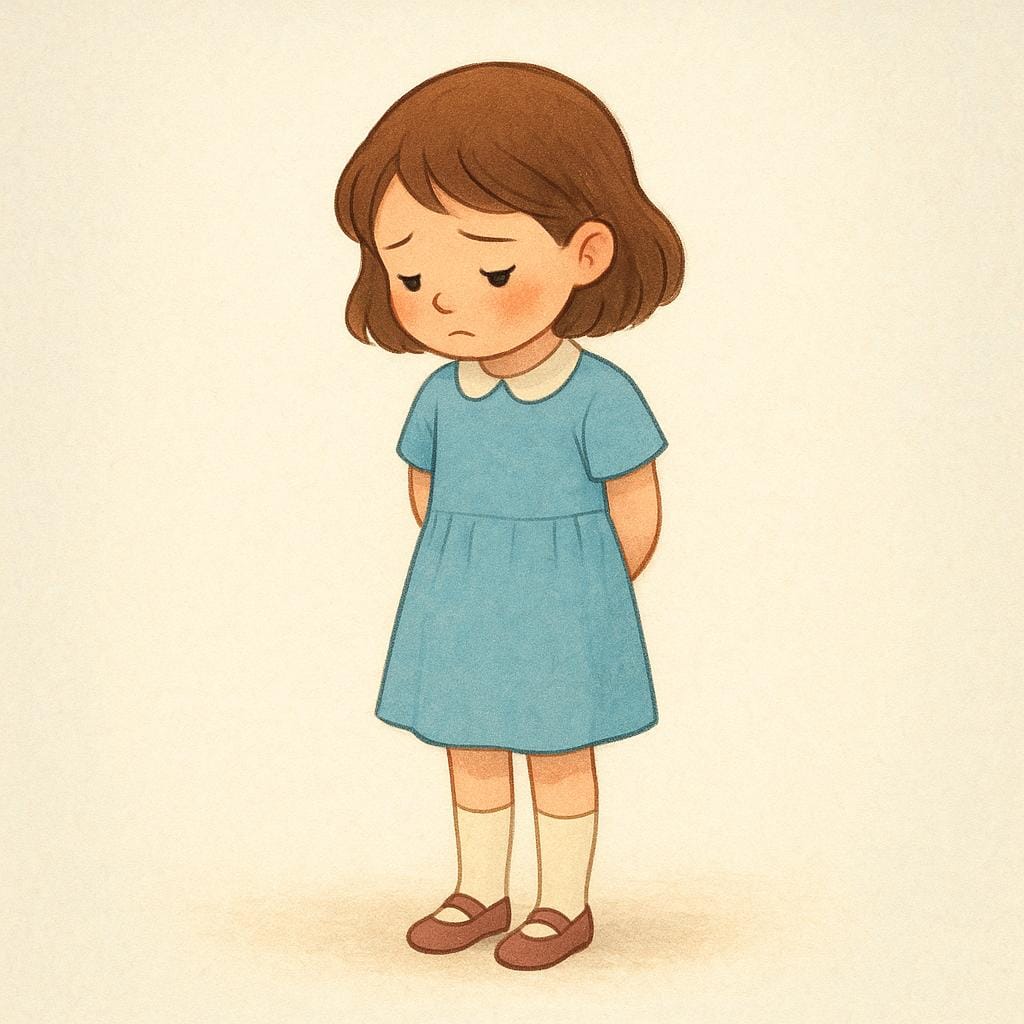
The most common Spanish word for “humiliated” is “avergonzada” — use 'avergonzada' when you feel shame or embarrassment because of something you did or a situation you caused.
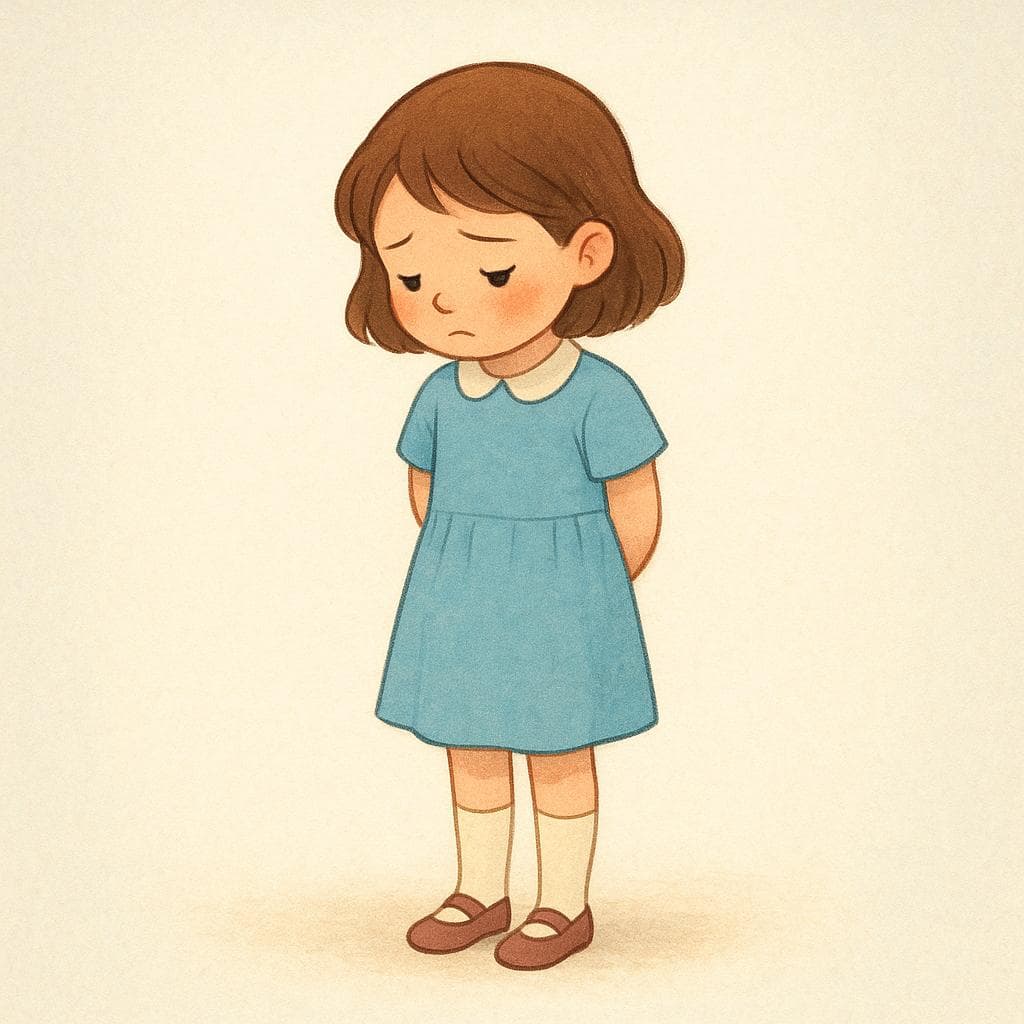
avergonzada
ah-behr-gohn-SAH-dahaβeɾɣonˈsaða
Examples
Ella se sintió muy avergonzada por haber mentido.
She felt very ashamed for having lied.
Ana estaba avergonzada porque se le olvidó el nombre de su jefe.
Ana was embarrassed because she forgot her boss's name.
No estés avergonzada, todos cometemos errores.
Don't be embarrassed; we all make mistakes.
Matching the Person
This word ends in -a because it describes a female person. If you are describing a male, you must use 'avergonzado'.
Using 'Estar' vs 'Ser'
Always use this word with 'estar' or 'sentirse' because embarrassment is a temporary feeling, not a permanent character trait.
The 'Embarrassed' Trap
Mistake: “Using 'embarazada' to mean embarrassed.”
Correction: Say 'avergonzada'. In Spanish, 'embarazada' means 'pregnant', which could lead to a very funny misunderstanding!
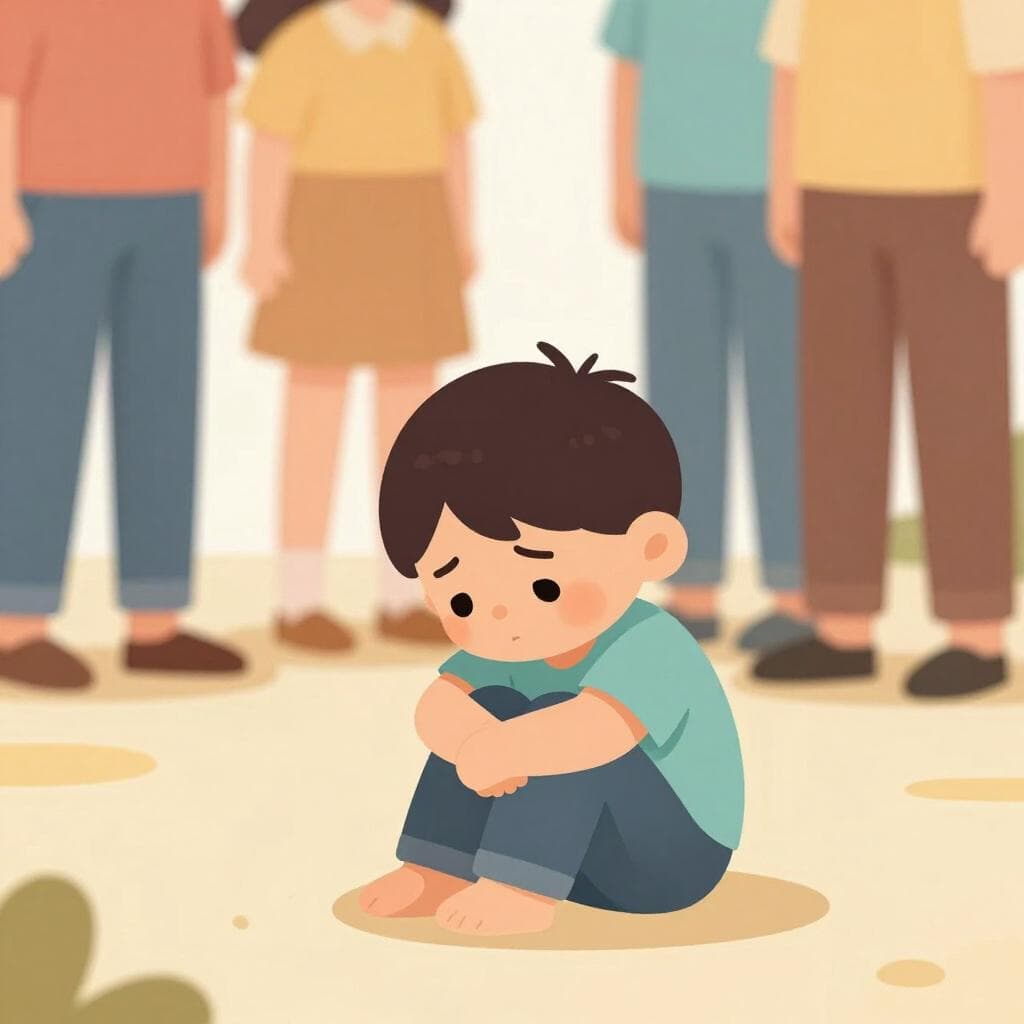
humillado
oo-mee-YAH-dohu.mi.ˈʝa.ðo
Examples
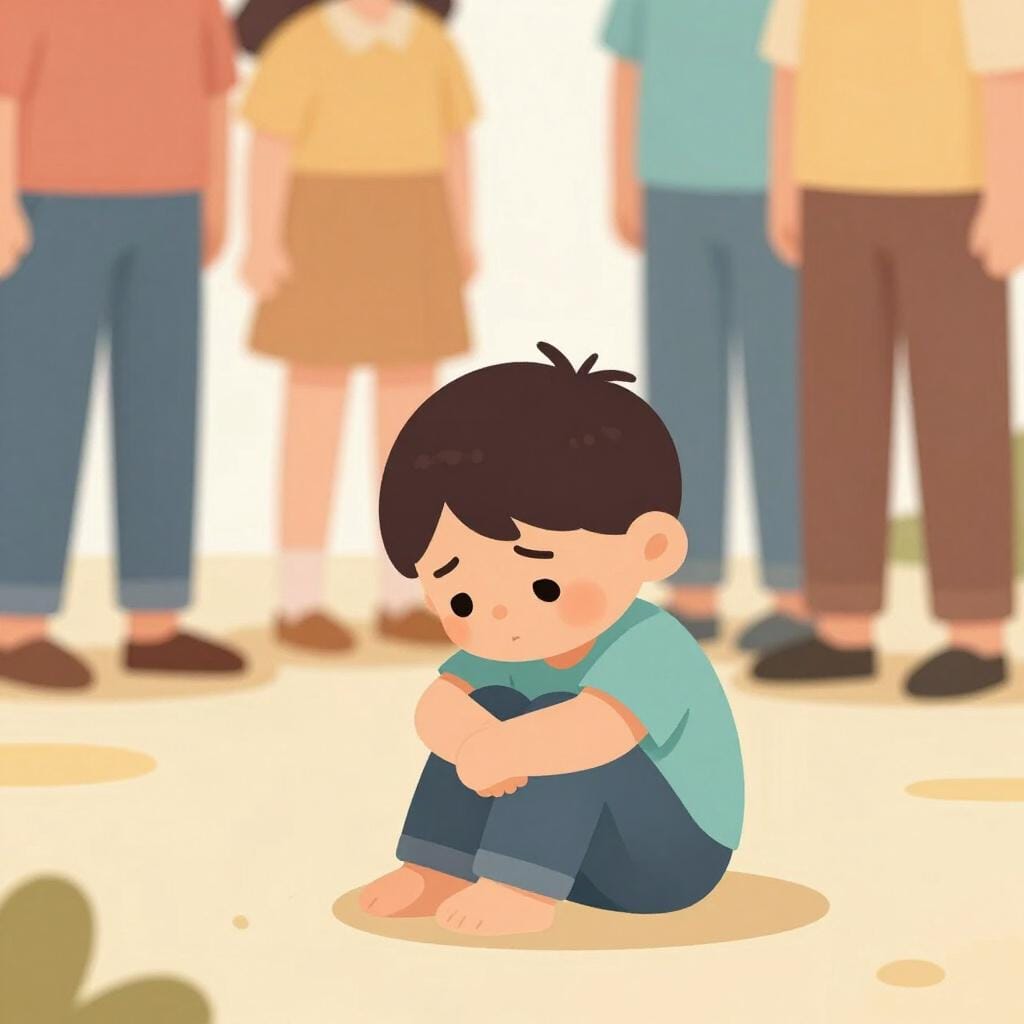
Se sintió humillado cuando perdió el partido frente a todos.
He felt humiliated when he lost the game in front of everyone.
No quiero verte humillado por un error tan pequeño.
I don't want to see you humbled by such a small mistake.
El hombre salió de la sala con un aire humillado.
The man left the room with a humiliated air.
Word Ending Changes
This word changes based on who you are talking about. Use 'humillado' for a man, 'humillada' for a woman, and 'humillados' or 'humilladas' for groups.
Using with Sentirse
We usually use this word after 'sentirse' (to feel) to describe an emotional state.
Humillado vs. Humillante
Mistake: “La situación fue muy humillada.”
Correction: La situación fue muy humillante.
Avergonzada vs. Humillado
Related Translations
Learn Spanish with Inklingo
Interactive stories, personalized learning, and more.