How to Say "inhabitants" in Spanish
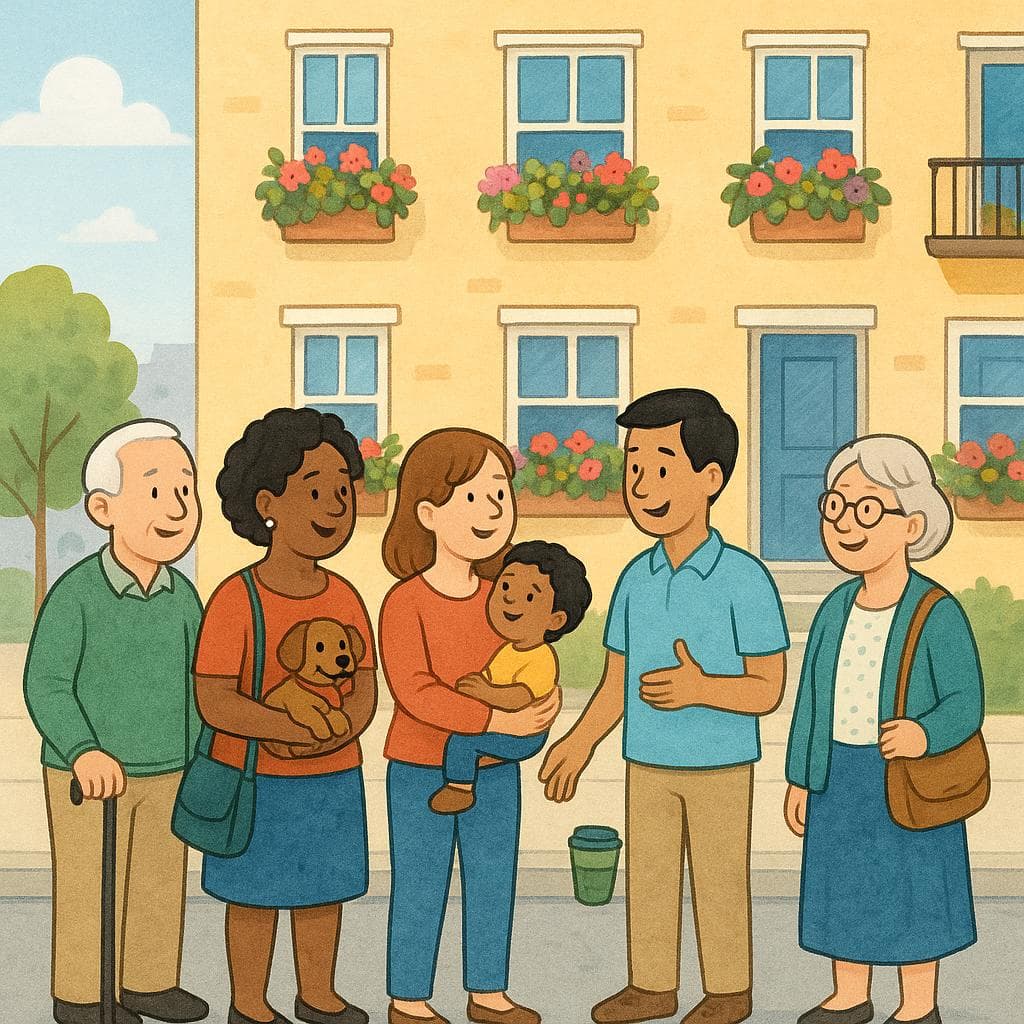
The most common Spanish word for “inhabitants” is “habitantes” — use 'habitantes' as the most general and common term for people living in any geographical area, from a city to a country.


habitantes
ah-bee-TAHN-tessa.βiˈtan.tes
Examples
La ciudad tiene miles de habitantes.
The city has thousands of inhabitants.
La ciudad de México tiene más de 20 millones de habitantes.
Mexico City has more than 20 million inhabitants.
Los habitantes de la costa dependen de la pesca para vivir.
The residents of the coast depend on fishing to live.
El censo mostró una disminución en el número de habitantes rurales.
The census showed a decrease in the number of rural residents.
Singular vs. Plural
This word is already plural. The singular form is habitante (resident), which is used when talking about one person.
Habitantes vs. Habitaciones
Mistake: “Using 'habitantes' when you mean 'rooms' (*habitaciones*).”
Correction: Remember, *habitantes* are the people who live there, and *habitaciones* are the physical rooms. They sound similar but mean completely different things.
población
Examples
La población de esta isla es muy pequeña.
The population of this island is very small.
residentes
reh-see-DEN-tehsresiˈdentes
Examples
Los residentes locales protestaron contra el nuevo desarrollo.
The local residents protested against the new development.
Los residentes del edificio están pidiendo una reunión.
The residents of the building are asking for a meeting.
Esta tarjeta es solo para residentes de la ciudad.
This card is only for residents of the city.
One word for everyone
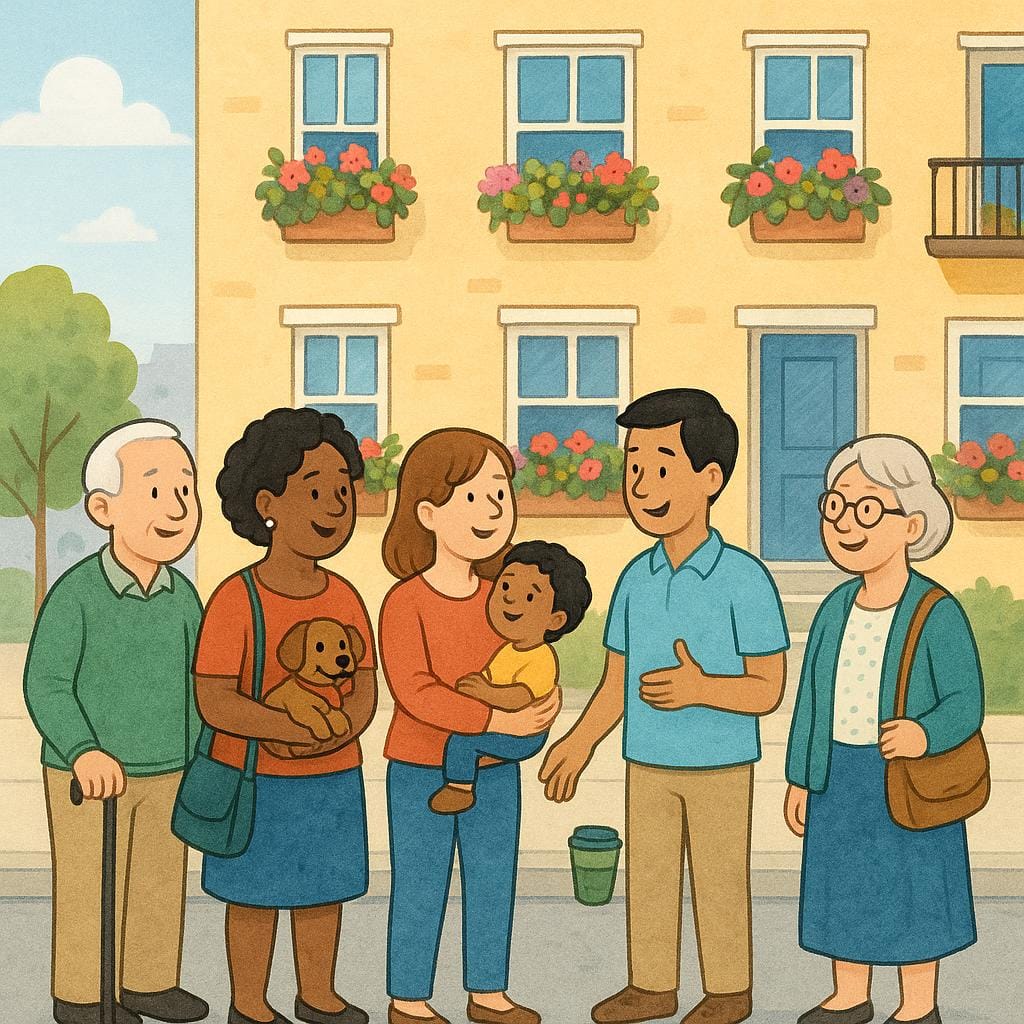
Even though this word ends in 'e', it works for both men and women. To show who you mean, just change the small word before it: 'los residentes' (men or mixed group) or 'las residentes' (only women).
Don't forget the 's'
Mistake: “Los residente viven aquí.”
Correction: Los residentes viven aquí.
ciudadanos
see-oo-dah-NAH-nohssjuðaˈðanos

Examples
Todos los ciudadanos deben respetar la ley.
All citizens must respect the law.
Los ciudadanos tienen derecho a votar.
The citizens have the right to vote.
La junta informó a todos los ciudadanos sobre el nuevo proyecto.
The board informed all residents about the new project.
Necesitamos la participación de los ciudadanos para mejorar la ciudad.
We need the participation of the inhabitants to improve the city.
Gender Rule (Mixed Groups)
Even if a group of citizens includes women, the masculine plural form 'ciudadanos' is used to refer to the entire group generally.
Confusing Citizenship vs. City
Mistake: “Thinking 'ciudadanos' just means 'people of the city.'”
Correction: While related to 'city' (ciudad), 'ciudadanos' usually refers to legal citizens of a country, state, or municipality, often implying rights and duties.
Habitantes vs. Población
Related Translations
Learn Spanish with Inklingo
Interactive stories, personalized learning, and more.