How to Say "town" in Spanish
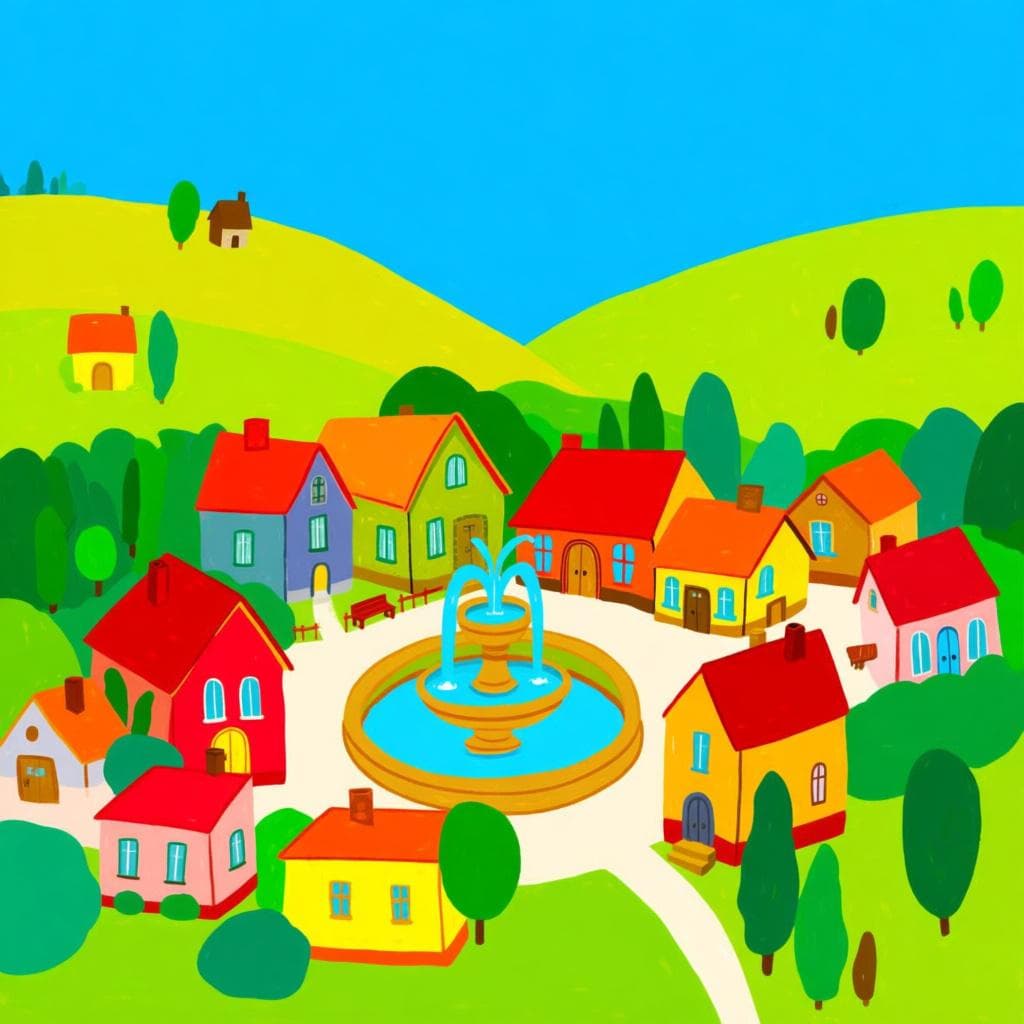
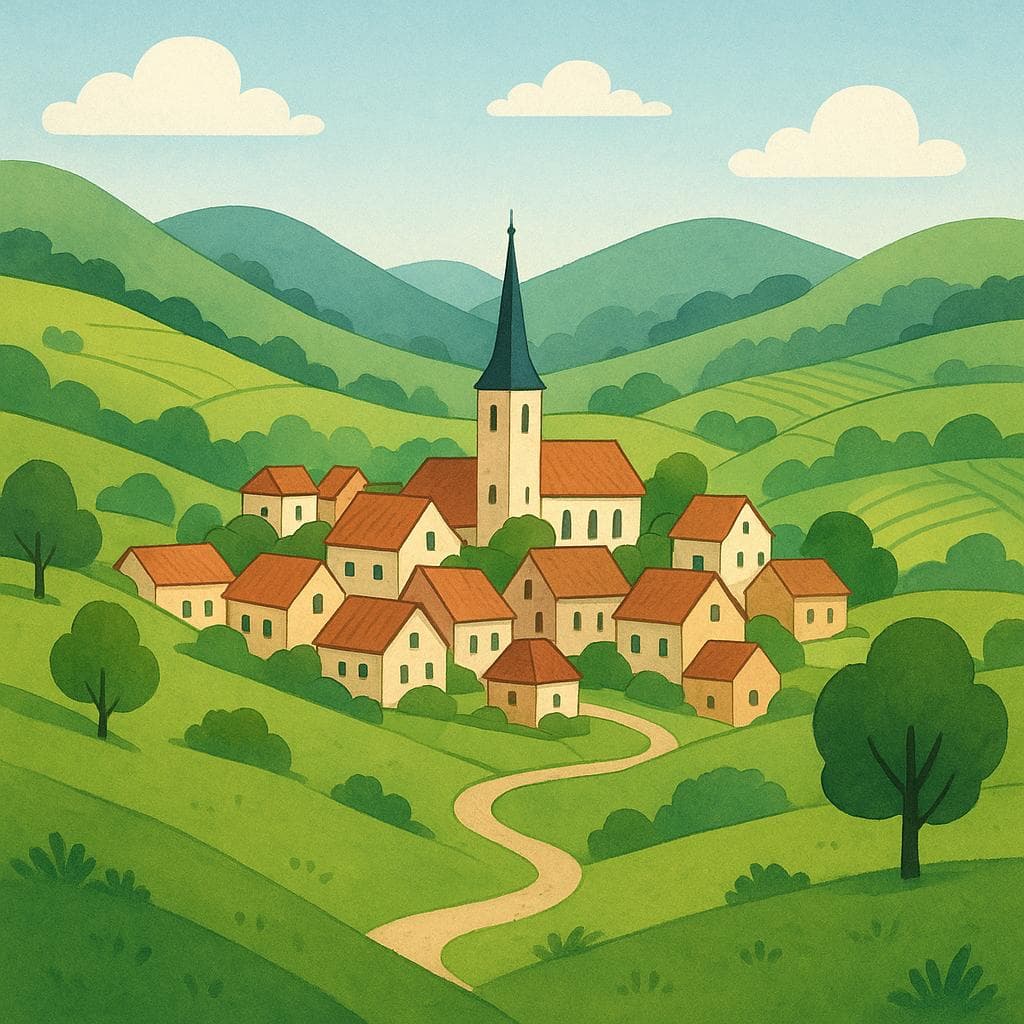
The most common Spanish word for “town” is “pueblo” — use 'pueblo' for a general, populated area that is larger than a village but smaller than a city, often implying a sense of community or a rural setting.


pueblo
pweh-blohˈpwe.βlo
Examples
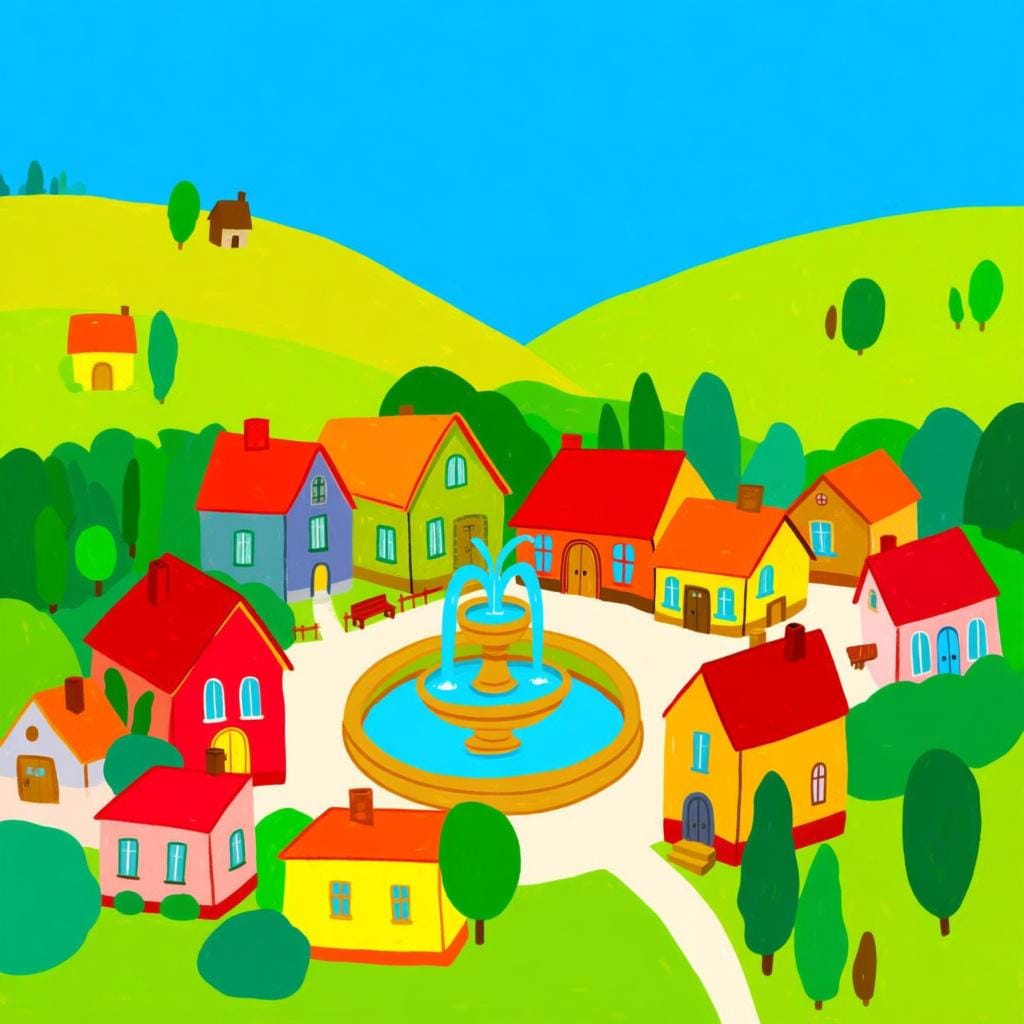
Mi abuela vive en un pueblo pequeño en las montañas.
My grandmother lives in a small town in the mountains.
Vamos al pueblo para comprar pan fresco.
We're going to the town to buy fresh bread.
Cada verano, el pueblo celebra una fiesta grande.
Every summer, the town celebrates a big festival.
Always Masculine
Even though it doesn't end in -o like many masculine words, 'pueblo' is a masculine noun. This means you'll always say 'el pueblo' (the town) or 'un pueblo' (a town).
Town vs. City
Mistake: “Me encanta visitar el pueblo de Nueva York.”
Correction: Me encanta visitar la ciudad de Nueva York. Use 'pueblo' for smaller places like towns and villages. For big places like New York, London, or Mexico City, you need to use 'ciudad'.
ciudad
syoo-DAHDsjuˈðað

Examples
Vivo en una ciudad grande.
I live in a big city.
Madrid es una ciudad muy bonita.
Madrid is a very beautiful city.
Me gusta caminar por el centro de la ciudad.
I like to walk through the city center.
Always Feminine: 'la ciudad'
'Ciudad' is a feminine word, so you always use 'la' or 'una' with it. Adjectives describing it must also be feminine, like 'una ciudad bonita' (a beautiful city).
'Ciudad' vs. 'Pueblo'
Mistake: “Using 'pueblo' when talking about a large city like London or Tokyo.”
Correction: Use 'ciudad' for large urban areas. 'Pueblo' is for smaller places like a town or village. If it has a subway system, it's definitely a 'ciudad'!
localidad
lo-kah-lee-DAHDloka.liˈðað

Examples
Vivo en una localidad pequeña cerca de Madrid.
I live in a small town near Madrid.
Esta localidad es famosa por su vino.
This town is famous for its wine.
El temporal afectó a varias localidades del sur.
The storm affected several towns in the south.
Identifying Feminine Words
In Spanish, words that end in '-dad' (like localidad, ciudad, and universidad) are almost always feminine, so you should use 'la' or 'una' with them.
Confusing with 'Location'
Mistake: “Usar 'localidad' para hablar de la ubicación de un objeto perdido.”
Correction: Use 'ubicación' for the coordinates or position of something, and 'localidad' for a town or city where people live.
villa
VEE-yahˈbiʎa
Examples
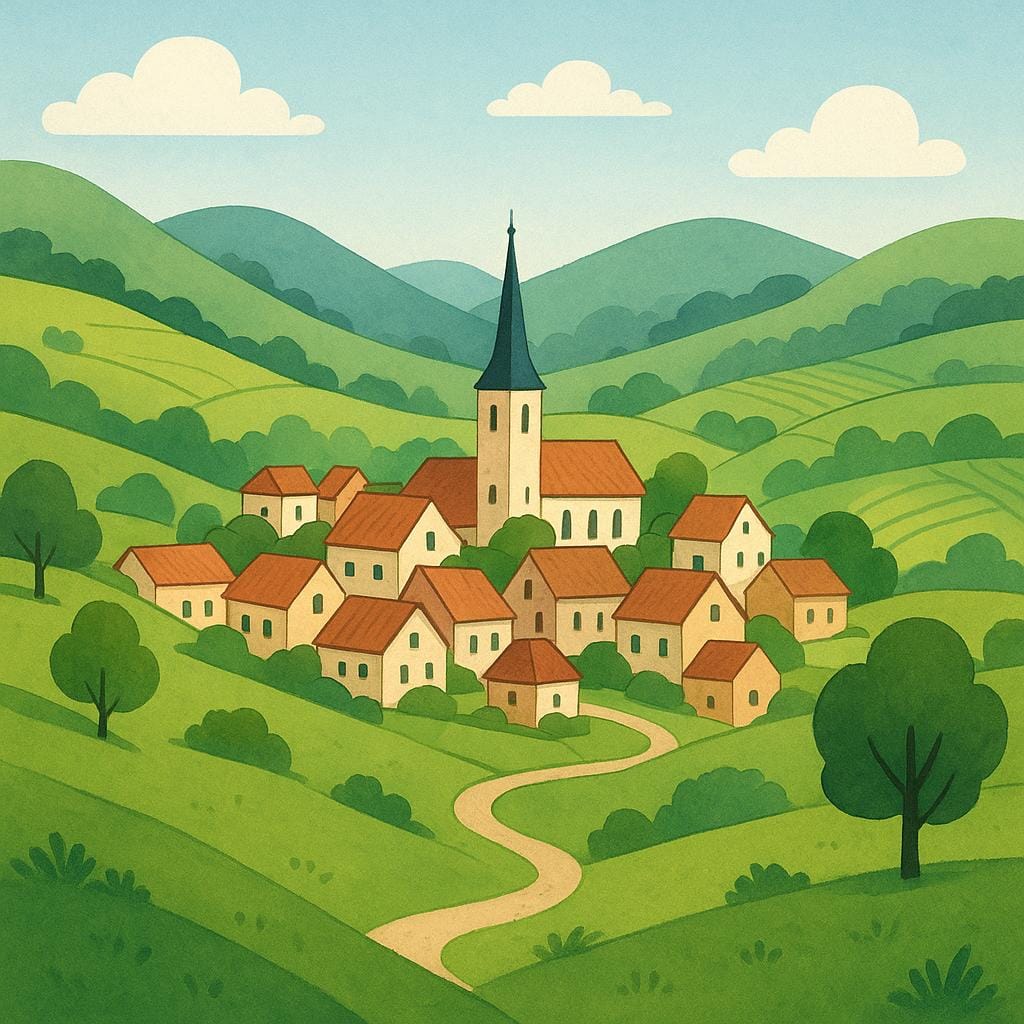
Mi abuela vive en una villa tranquila cerca de la costa.
My grandmother lives in a quiet town near the coast.
Esta villa celebra un festival de cine cada año.
This town holds a film festival every year.
Las villas medievales solían estar amuralladas.
Medieval towns used to be walled.
Gender Reminder
Even though many town names are masculine, the word 'villa' itself is always feminine, so you must use 'la villa' or 'una villa'.
Confusing Size
Mistake: “Using 'villa' for a huge metropolis.”
Correction: Use 'ciudad' (city) for major urban areas. 'Villa' implies a smaller, often historic, community.
población
Examples
Llegamos a la pequeña población después de tres horas de viaje.
We arrived at the small town after three hours of travel.
Pueblo vs. Ciudad
Related Translations
Learn Spanish with Inklingo
Interactive stories, personalized learning, and more.