How to Say "injuries" in Spanish
The most common Spanish word for “injuries” is “heridas” — use 'heridas' when referring to open wounds, cuts, or injuries that break the skin or involve visible bodily damage.


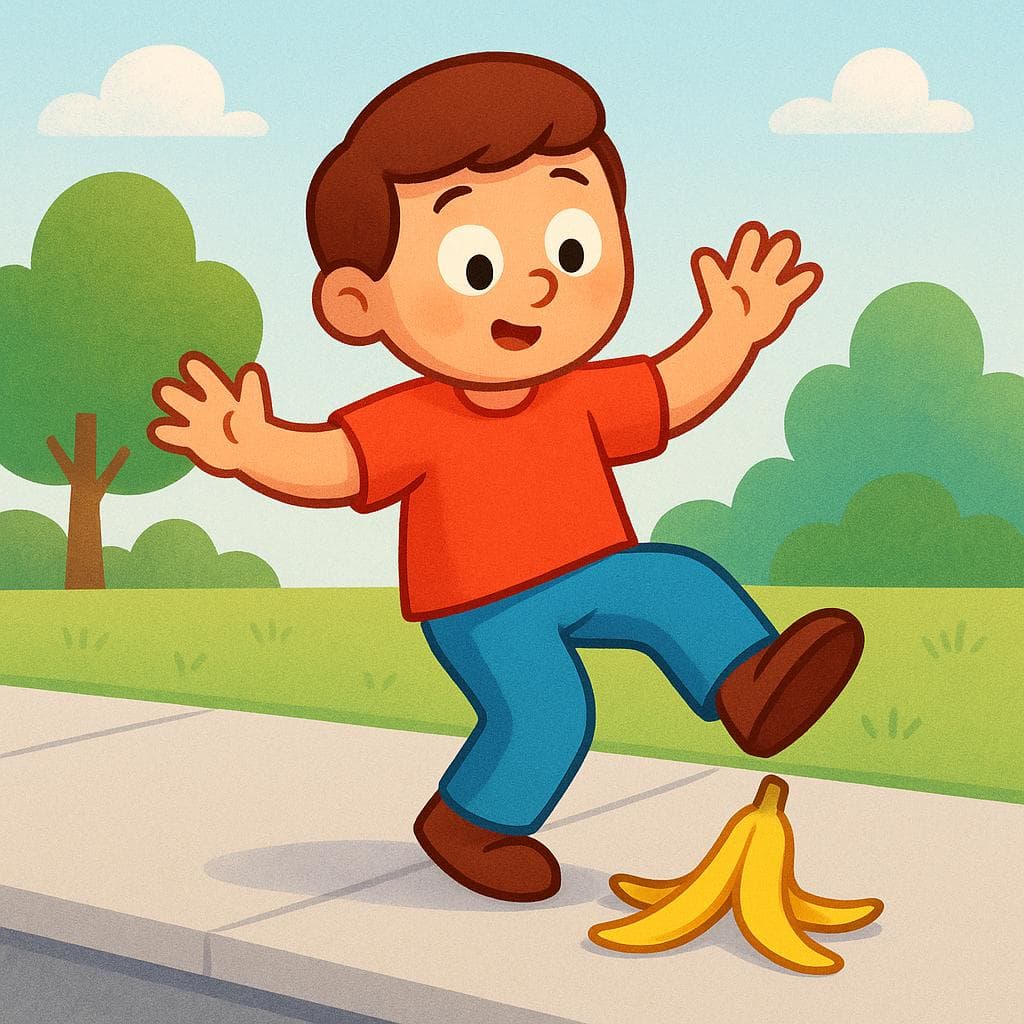
heridas
eh-REE-dahseˈɾi.ðas

Examples
El médico tuvo que suturar las heridas del paciente.
The doctor had to suture the patient's wounds.
Las heridas en su brazo necesitan limpieza inmediata.
The wounds on his arm need immediate cleaning.
Después del accidente, las heridas fueron superficiales.
After the accident, the injuries were superficial.
El tiempo cura todas las heridas, dicen.
Time heals all wounds, they say.
Always Feminine
The word 'herida' (singular) and 'heridas' (plural) is always feminine, so you must use feminine articles and adjectives with it (e.g., 'las heridas').
lesiones
leh-see-OH-nessle'sjo.nes

Examples
El boxeador recibió múltiples lesiones en la cara.
The boxer received multiple injuries to his face.
El futbolista sufrió varias lesiones graves durante el partido.
The soccer player suffered several serious injuries during the match.
Las lesiones menores no requirieron hospitalización.
The minor injuries did not require hospitalization.
El informe médico detalla todas las lesiones encontradas.
The medical report details all the injuries found.
Feminine Plural
This word is the plural of 'la lesión' (the injury). Since it is feminine, it always uses 'las' and requires feminine adjectives, like 'las lesiones graves'.
Using 'Lesiones' for Property
Mistake: “Hablo de las lesiones del coche.”
Correction: Hablo de los daños del coche. (Use 'lesiones' only for bodily harm, use 'daños' for damage to objects.)
accidentes
ahk-see-DEN-tesak.siˈðen.tes
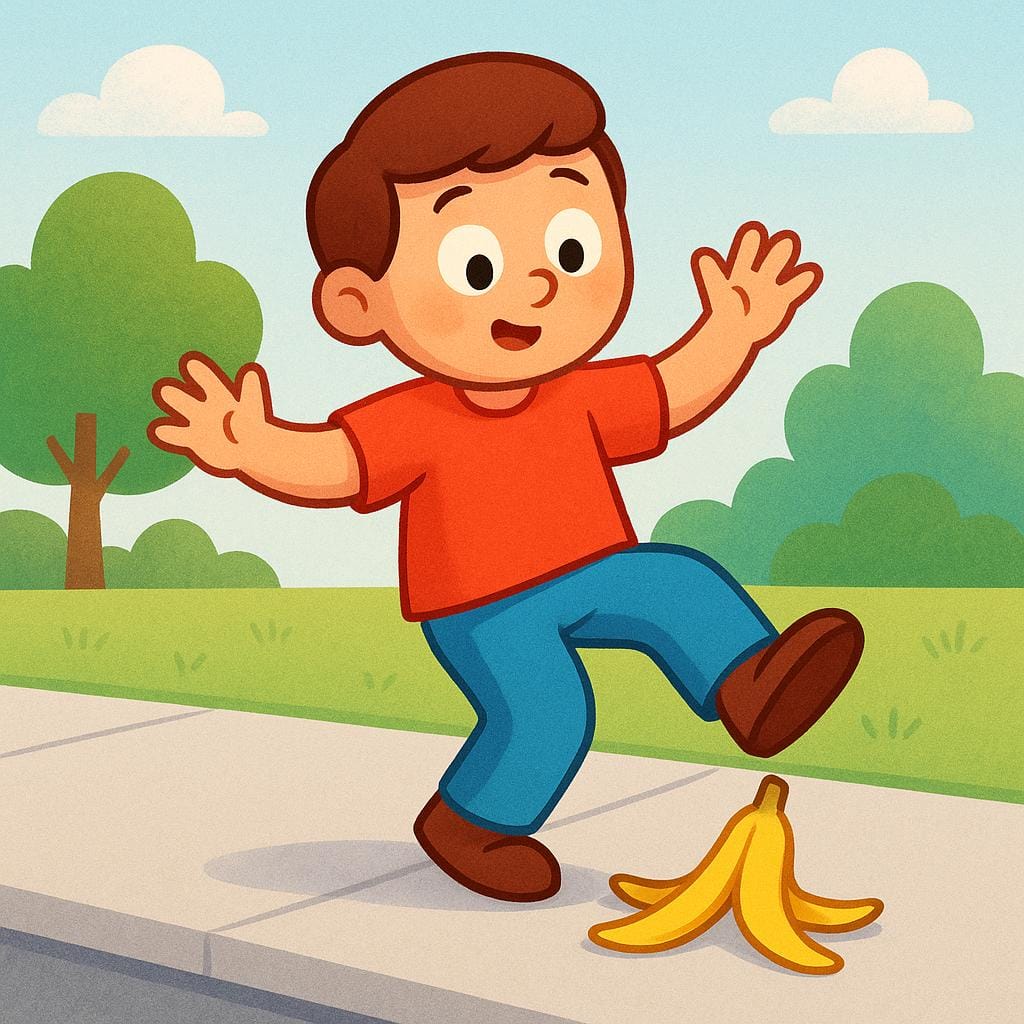
Examples
La policía investiga las causas del accidente.
The police are investigating the causes of the accident.
Hubo tres accidentes de tráfico en la carretera esta mañana.
There were three traffic accidents on the highway this morning.
La empresa quiere reducir los accidentes laborales a cero.
The company wants to reduce workplace accidents to zero.
Tuvimos unos pequeños accidentes en la cocina, pero nadie salió herido.
We had a few little mishaps in the kitchen, but no one got hurt.
Masculine Plural
Even though this word ends in '-es', it is masculine. Remember the singular is 'el accidente', so the plural is 'los accidentes'.
Using the wrong gender
Mistake: “La accidentes”
Correction: Los accidentes. The word is masculine, even though it ends in '-e'.
Accidentes vs. Heridas/Lesiones
Related Translations
Learn Spanish with Inklingo
Interactive stories, personalized learning, and more.